Home page
ع

Shining a Light on Water Pollutants

Abigail Flynn
October 16, 2022
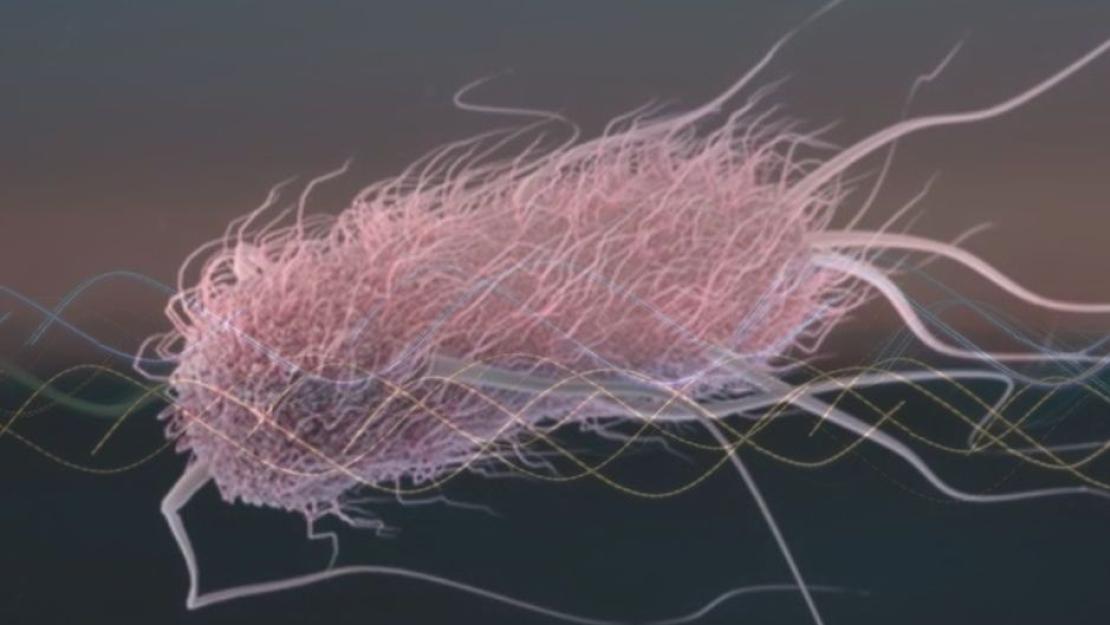
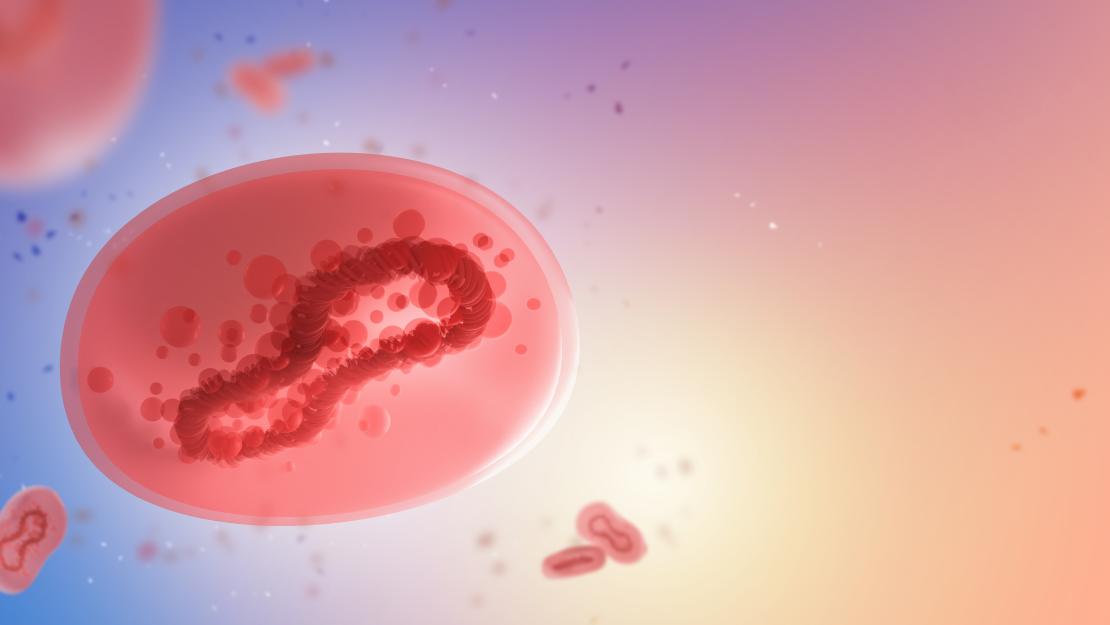
Image of E Coli

Did you know that every type of bacteria has a unique light signature? Mohamed Swillam, professor and chair of the Department of Physics, is using this fact to identify different types of pathogens in Egypt’s water supply with new remote sensors designed by the professor and his team.

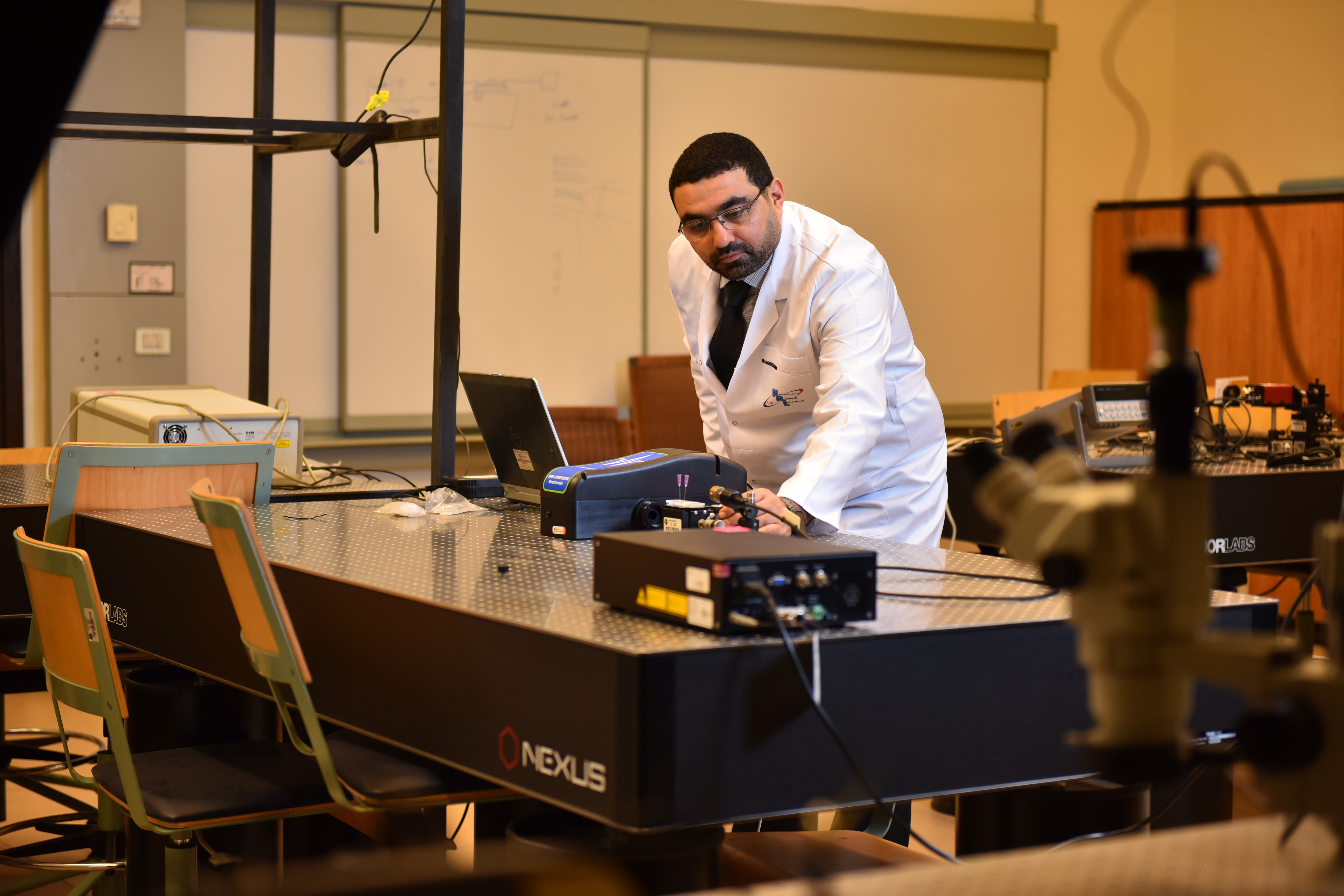
“We’re making portable sensors that can detect different bacteria in the water, like E. Coli and salmonella,” Swillam explains. “They can also report on the presence of heavy metals or water salinity.”

With a grant from the Conservation, Food and Health Foundation in the US, Swillam and his team are creating sensors that are designed to float in bodies of water, like rivers or canals, and transmit their reports wirelessly to a nearby data station. These reports will be analyzed in real time, providing a live map of contamination areas throughout the country. Such a map could help to improve food security by monitoring water quality and consequently, protecting crops. In the future, this data will be used to develop an artificial intelligence model capable of automatically identifying the best conditions for growth.

“The sensors can record salt concentration and pollutants in the water and transmit that information to farmers,” Swillam explains. “Then, the farmers can compare that to how the crops are either growing or dying and make necessary adjustments.”

In Action

The sensors develop the reports by taking a water sample, shining a light through the bacteria in the water and measuring how the intensity of the light changes. Each bacterium has a distinctive effect on light intensity, like a personal signature or a fingerprint, that sets it apart from other bacteria.

Ideally, each sensor will be fastened to a 3d-printed miniature boat which also houses a solar panel on top — used for powering the sensor. A small antenna will transmit the report and the boat’s location to a central data station. In order to get as much data as possible, Swillam hopes to release thousands of boats throughout both Egypt and Africa as a whole. 

Improving Environmental and Physical Health

Mohamed SwillamMoving forward, Swillam and his team, which includes students of biology, pharmacology, engineering and physics through SSE Dean’s research initiative, are hoping to develop the sensor in a way that can be used in all sorts of contexts, such as identifying illnesses in humans. He is currently working with funding from Pandemic Tech and the Academy of Scientific Research in Egypt to use this sensor technology to detect COVID-19. He is also working with AUC’s Department of Biology to identify the light signature of ovarian cancer in human urine samples. If the light signature of a virus or disease can be classified, then Swillam can adjust the sensor to identify it.

The sensor can also be used to identify emissions from cars in Egypt. With an Information Technology Academia Collaboration grant from Egypt’s Information Technology Industry Development Agency, the team is designing a small laser sensor that can identify pollutants and, similar to the water pollution sensor, create a real-time map of air pollution in the city. This will help compensate for the lack of widespread emissions testing of cars in the country.

Through his research on combating air pollution, water pollution and environmental health, Swillam’s work contributes to AUC’s Climate Change Initiative. In a ranking of scholarly output for the last year, Swillam placed second in Egypt in the field of electronics and optical materials, third in material engineering and fourth in condensed matter physics. A prolific researcher, his recent publication on technology that can sense all green-house related gasses was chosen as the editor’s choice in Nature.  

Share

AUC Introduces New Minors, Restructured Majors

Devon Murray
September 28, 2022
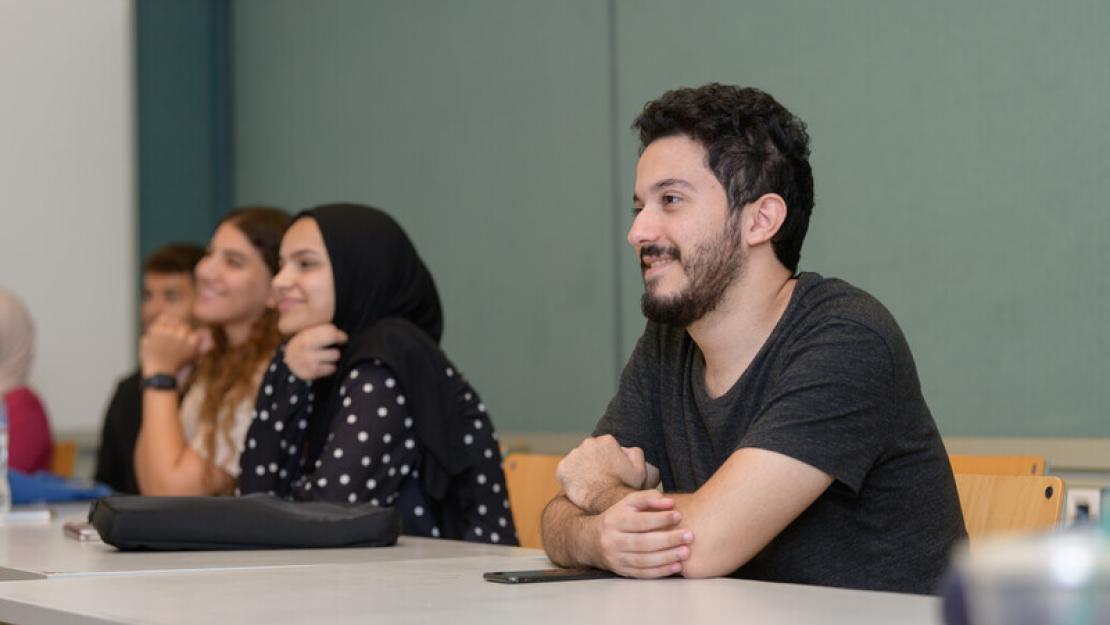
Students in a classroom at AUC

From the arts to sciences — and the special places where they meet in between — AUC is offering two restructured majors and four new minors this fall. 

Multimedia Communication and Journalism

Formerly offering the separate majors of a Bachelor of Arts in Multimedia Journalism (MMJ) and a Bachelor of Arts in Communication and Media Arts (CMA), AUC’s Department of Journalism and Multimedia Communication is now offering a combined Bachelor of Arts in Multimedia Communication and Journalism (MMCJ).

“We decided to absorb some elements of the CMA discipline into MMJ, forming MMCJ, thereby increasing the credit hours from 48 to 72,” said Firas Al-Atraqchi, professor of practice in AUC’s Department of Journalism and Mass Communication and program director.

Students who declare MMCJ will have the option of choosing one of two specializations — communication or journalism. They will also have the choice of one of two capstone pursuits in tandem with their specialization.

Bachelor of Architecture

Similarly, the Department of Architecture is now offering a Bachelor of Architecture in lieu of the Bachelor of Science in Architectural Engineering. The new program is a candidate for accreditation with the National Architectural Accrediting Board — an endorsement that will open even more opportunities for program graduates.

“Architecture is at a crossroads between human/cultural values and the technical capabilities of construction,” the catalog description reads. “Moreover, digital technology is rapidly growing, changing our ways of communication, expression, perception, thought and interaction.”

Students majoring in architecture will choose from the following three tracks: Human and Environmental Studies, Tectonics and Computational Design or Architecture and Urban Heritage Design.

Bioinformatics Minor

Paving the way into the future, AUC has launched the first bioinformatics academic degree in Egypt. Ahmed Moustafa, professor and chair of the Department of Biology, explained that recent developments in DNA sequencing technologies have resulted in an enormous amount of genetic data.

“To be able to process, analyze and interpret these data, a need for researchers with combined expertise in biological and computational sciences arose — resulting in the birth of the interdisciplinary field of bioinformatics,” Moustafa said. 

Many organizations in Egypt have begun adopting genomics-based approaches across a number of fields, including medicine, agriculture, energy and food. Students who study under this program will be well-equipped to meet the growing demand for bioinformaticians.

“The minor will prepare students to apply data analytics in genomic sciences,” he explained. “Moreover, the students will gain practical skills and experience that allows them to answer questions such as which genetic mutation and/or microbe is associated with a certain disease, which coronavirus variant is dominant in a specific area at a certain point in time or what genetic modification can be applied to improve the production of a certain crop.”

Game Design Minor

Also created as a response to changing job market demands, the  new minor in Game Design is overseen by Ahmad Saqfalhait, associate professor of practice and associate chair of the Department of Arts. A collaboration between the Graphic Design Program and the Department of Computer Sciences and Engineering, the program is a response to an industry that has surpassed “three of the biggest entertainment-related industries: music, film and sports, combined,” Saqfalhait said.

He added: “In addition to its economical value, game applications have expanded and evolved to cover various needs, from educational and social to medical and psychological — all playing on our need to have fun and engage.”

With the region lacking representation in this field, according to Saqfalhait, training students in this field will allow them to harness gaming to share their own narratives.

The multidisciplinary minor is open to all AUC students. After finishing the minor, some students will have the opportunity to intern at local game development studios or join an AUC team working on self-initiated game projects in collaboration with external organizations.

Visual Arts Minor

For those wishing to unlock their artistic side, the Department of the Arts is now offering a Visual Arts Minor. Also open to all students, the program will touch on art foundations, painting, ceramics, photography and animation, among others, allowing students to create works of art with a variety of tools.

“Students joining from scientific disciplines, for example, will be able to produce their science-based projects as creative art productions,” said Shady Elnoshokaty, visual arts program director and associate professor of practice in the Department of the Arts. “This is the contemporary concept of arts and art education today.”

Those minoring in Visual Arts can pursue careers as painters, sculptures or illustrators, as well as find work in art galleries and cultural institutions. Moreover, others can find their way as fashion designers, creative directors in cinema, art decorators or exhibition designers.

Islamic History Minor

Finally, the Islamic History minor is the result of a comprehensive rework of a previous minor in Classical/Medieval Middle East History. 

“The courses in this program will prepare students to consider the Islamic past with more nuance and with a variety of analytical skills,” said Amina Elbendary, associate professor and director of graduate studies in the Department of Arab and Islamic Civilizations, stressing the program’s importance for anyone interested in the Middle East and Islam today.

She continued: “In order to understand the two, we need to develop more sophisticated ideas about how Islam came to be the way it is,” she said. “This minor is a program that helps students develop the skills necessary to do that." 

Revised to include a broader selection of courses that span multiple levels, “the idea is that a student could begin with an introductory course, such as Survey of Arab History, in their freshman or sophomore year and then proceed to take more intermediate and advanced-level courses," Elbendary explained. 

Students who choose this path will gain a firm foundation in the evolution of Islamic history across time. The course examines history through the prisms of politics, society, and culture while emphasizing current scholarship in each of those three fields.

Explore all of AUC’s course offerings here.

Share

Monkeypox in Egypt: Faculty Discuss Facts, Address Concerns Over Virus

Devon Murray
September 21, 2022
Monkeypox
Monkeypox virus

While the world is still reeling from the shock of the coronavirus pandemic, another virus has not so subtly slipped into the limelight: monkeypox.

The virus was declared a public health emergency of international concern by the World Health Organization (WHO) in July. Earlier this month, Egypt detected and isolated the country’s first monkeypox disease case — a 42-year-old Egyptian man who, according to the Ministry of Health and Population, resides in Spain.

Since the case was disclosed on September 7, no other instances have been reported, and the ministry declared that because the risk of the virus spreading is lower than that of COVID-19, rigorous, coronavirus-like measures have not been put in place. Globally, cases in the hardest-hit countries such as the U.S. and Spain are also on the decline.

However, precautionary measures should still be taken by both individuals and institutions, according to Hassan Azzazy, distinguished University professor in the Department of Chemistry, and Hassan El-Fawal, professor of biomedical sciences and founding director of AUC’s Institute of Global Health and Human Ecology.

Origins

“Monkeypox first appeared after cessation of the smallpox vaccination in 1980,” Azzazy said. “It was originally reported in central and west Africa.” 

According to WHO, the virus is endemic (regularly found) in Benin, Cameroon, the Central African Republic, the Democratic Republic of the Congo, Gabon, Ghana (identified in animals only), Ivory Coast, Liberia, Nigeria, the Republic of the Congo, Sierra Leone and South Sudan.

“The virus is transmitted to humans from animal hosts (including squirrels and monkeys), and from humans to humans” Azzazy said. “It is similar but clinically less severe than smallpox, and it is not as contagious as COVID-19 because it requires close contact with an infected person.  It is also more commonly found among men who have sex with men.”

The main symptom of monkeypox is a skin rash, which may look like pimples and be sore or itchy. Azzazy added, “Some patients may experience flu-like symptoms (fever, chills, swollen lymph nodes, sore throat and cough) before or after the rash appears.”

First detected outside of endemic countries last May in the United Kingdom, the virus has now spread to more than 100 countries, with over a third of the cases reported in the United States, according to data from the Centers for Disease Control and Prevention.

“As of September 16, around 61,200 cases, including 20 deaths, have been reported in over 107 countries,” said Azzazy.  “It is important that all countries work together to stop the spread of the virus.”

From Awareness to Action

El-Fawal says that a monkeypox pandemic is unlikely to happen because there is a lower risk of contracting the virus. However, health officials should keep an eye on the situation.

“In general, there is no cause for concern as long as public health officials are monitoring the appearance of new cases and tracking the incidence,” he said. “That being said, educating the public is key.”

Raising awareness of the risk and risky behaviors associated with the virus, especially among vulnerable populations, will greatly help curb the spread.

“Medical professionals, when presented with cases, need to be cognizant of presentation and counsel infected patients as to responsible behavior,” El-Fawal said. “Communicating awareness of the risks should be paramount for public health professionals.”

Azzazy recommends that institutions increase the frequency of cleaning and disinfection of high-traffic areas, as well as making sure that hand washing facilities and sanitizers are available and plentiful, in order to reduce the likelihood of the virus spreading.

The quickest way the virus spreads is skin-to-skin contact. “Monkeypox can also spread to humans from an environment (clothing, towels, surfaces) contaminated with the virus,” Azzazy added.

Therefore, “Individuals should minimize close contact with others, isolate and seek medical help if they suspect they have the disease, and wash their hands frequently,” he said.

Don’t Panic

Both Azzazy and El-Fawal believe that there is no need for alarm, for now.

“Experts think that monkeypox may not be the next COVID-19 pandemic,” Azzazy said. “It is less contagious and less deadly.”

Though monkeypox vaccinations are not yet available in Africa, those who received a smallpox vaccination may have some protection against the virus, Azzazy said, adding that “this does not apply to AUC students, as smallpox vaccination stopped after the disease was eradicated in 1980.”

El-Fawal says that for now, “Per the CDC, the broad public is not required to be vaccinated. However, those suspecting exposure to someone with monkeypox should be vaccinated within four days to avoid developing clinical signs or to attenuate their symptoms.”

Though another pandemic may not be around the corner, the professors concluded that it is still important for all to be aware of the virus and to take precautions.

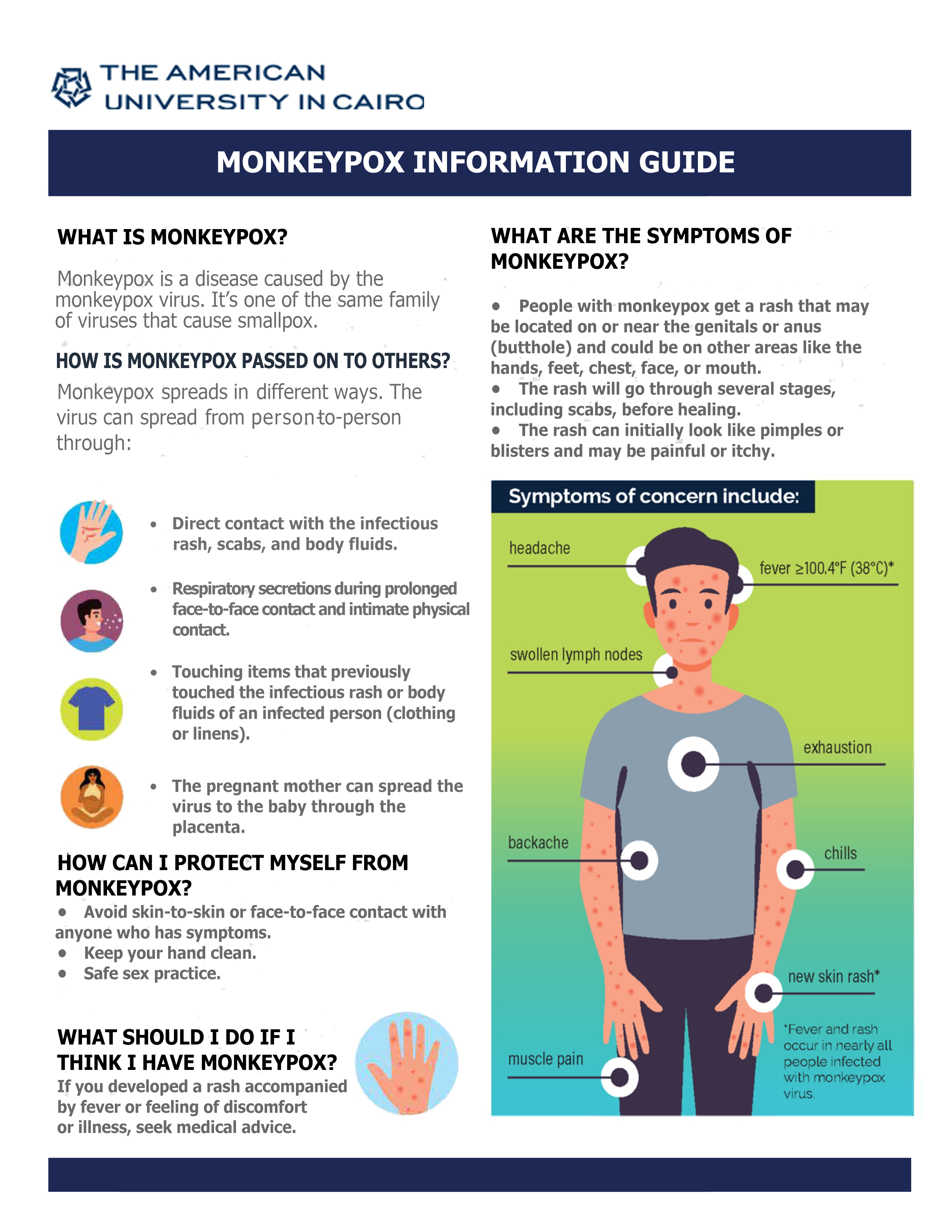
At AUC, flyers and banners with basic information about monkeypox were posted at the entrance gates prior to the beginning of the semester and the diagnosis of the first case of Monkeypox in Egypt.

“Any community member experiencing signs or symptoms of monkeypox disease should isolate and contact their healthcare provider, as well as let the clinic know,” said Dr. Bassem Gamil, director of AUC’s New Cairo Clinic.

The clinic is monitoring the situation globally and locally, working closely with Egypt’s Ministry of Health and Population and the local health authorities to monitor the virus and implement precautionary measures, when necessary.

Read more about monkeypox here.

monkeypox flyer auc
Share

The Future of “Greening” Real Estate in Egypt; AUC Hosts Futures Lab to Explore Climate-Adaptive Development

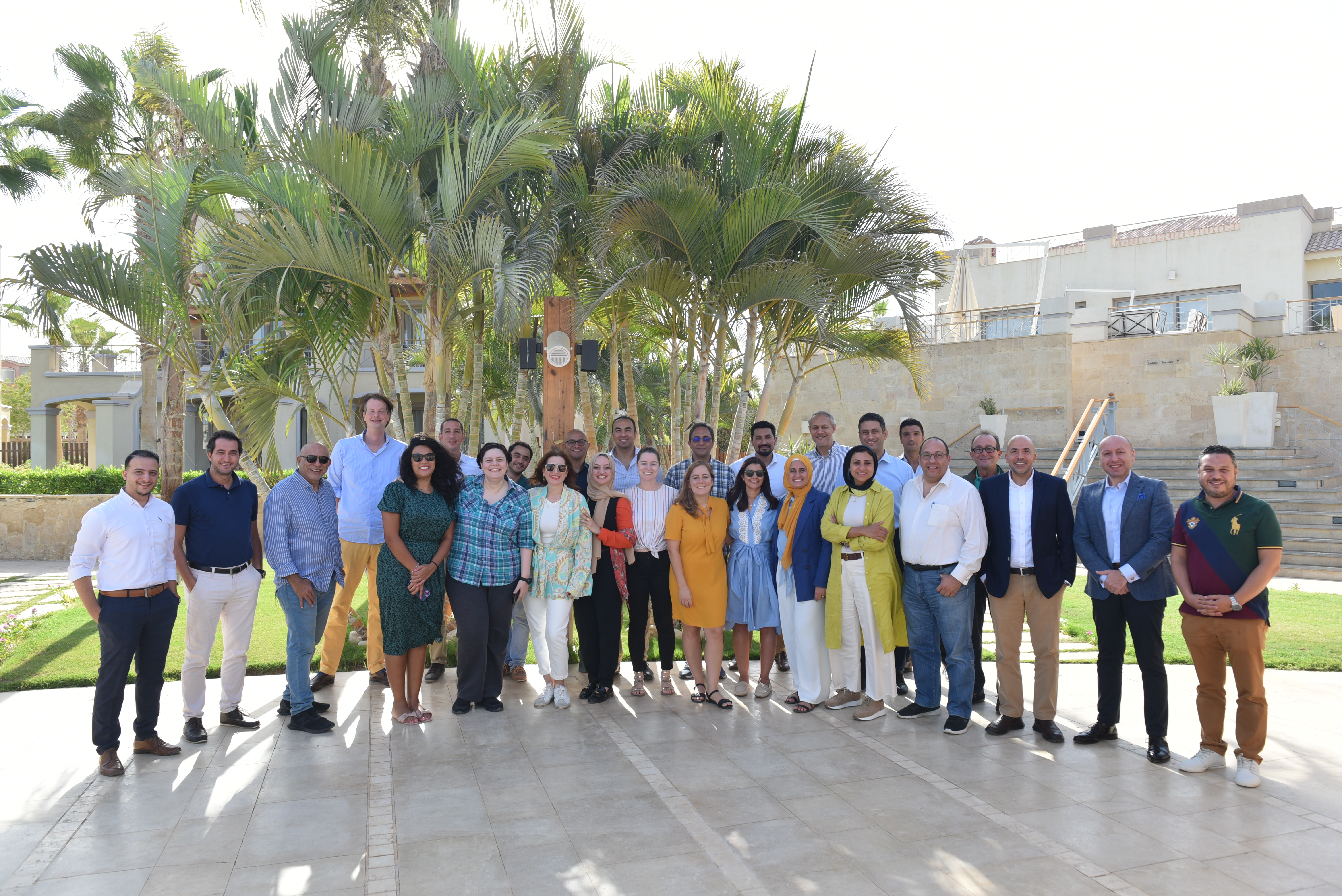
Futures Lab Attendees
Abigail Flynn
November 13, 2022
Futures Lab Attendees

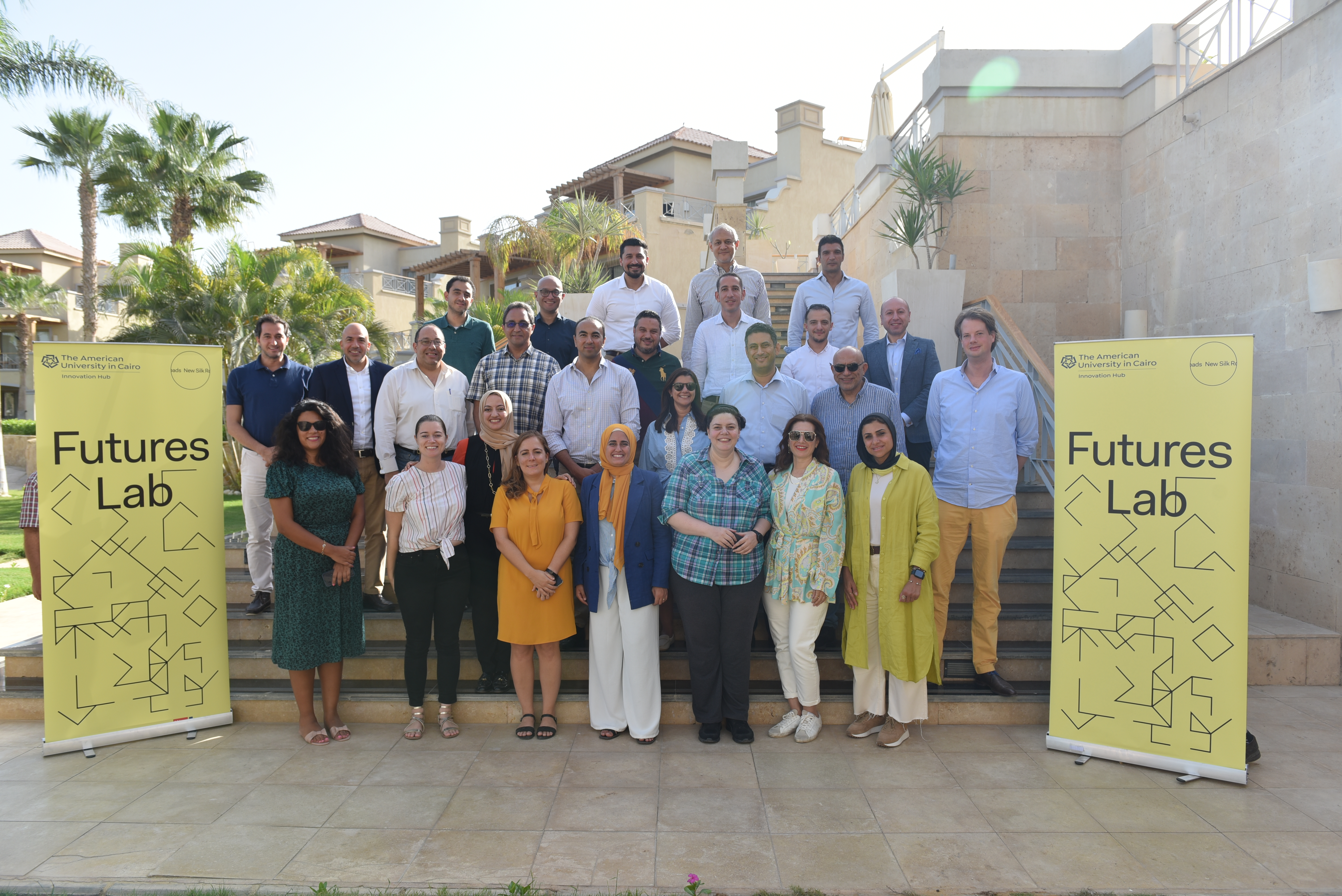
Ahead of Egypt hosting COP27, the AUC Innovation Hub and New Silk Roads convened a Futures Lab in September exploring the question: “What if real estate accelerates a green transition?” Attended by a multidisciplinary group of senior business leaders, investors, architects, policymakers, urban planners and researchers, the Lab used futures thinking and scenarios to design avenues for the Egyptian real estate sector to adapt to the realities of climate change.

"With Egypt's population doubling every 30 years, the real estate sector is becoming critical in its impact on climate change,” stated Ayman Ismail, director of AUC Innovation Hub. “In the Futures Lab, we get into a deep conversation with industry leaders to think of innovative, pragmatic, industry-driven solutions, building AUC’s depth of knowledge." 

Egypt currently faces a myriad of climate-related challenges, such as water scarcity, extreme changes in weather patterns, land degradation and large-scale migration, among others. Rather than trying to predict exactly what will happen in the future, the lab examined what could happen and expanded discussions about climate change from narrow “problem-solution” questions to more holistic and long-term approaches. This allowed members to envision multiple plausible futures for climate-friendly Egyptian real estate, with a focus on possibilities rather than certainties. 

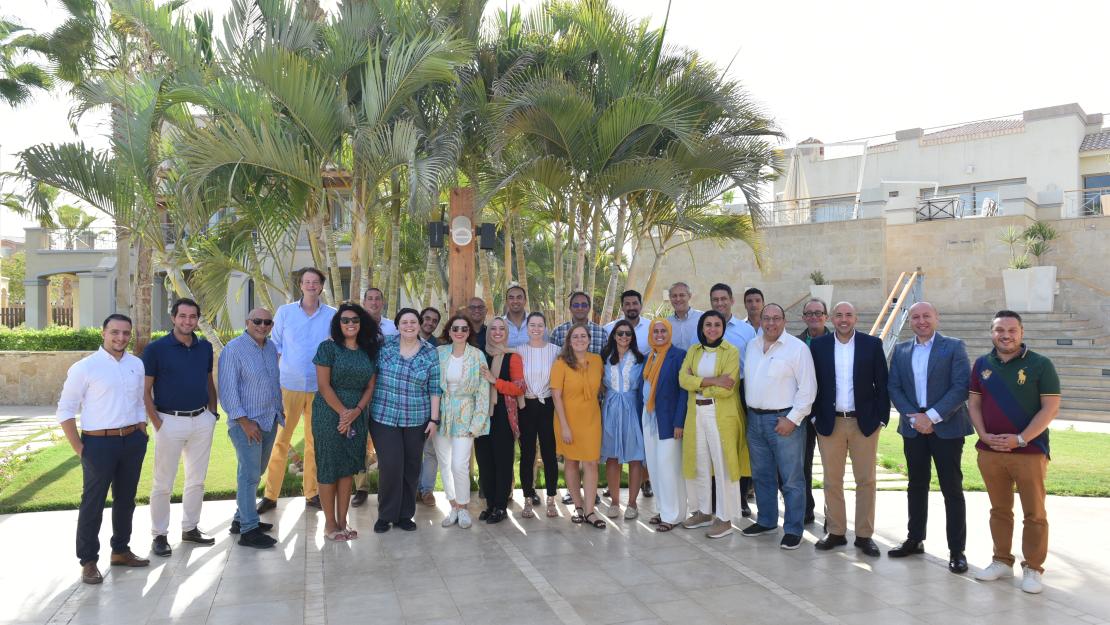
Futures Lab Attendees“The Futures Lab could not be more timely. The pace of change in the climate change space is unprecedented, and immediate actions are needed,” said Dalia Abd-Allah, senior director of the AUC Innovation Hub. “Bringing voices from all relevant stakeholders to greening real estate in Egypt into one place through the Futures Lab is a much-needed approach in addressing climate change pressures beyond traditional solutions.”
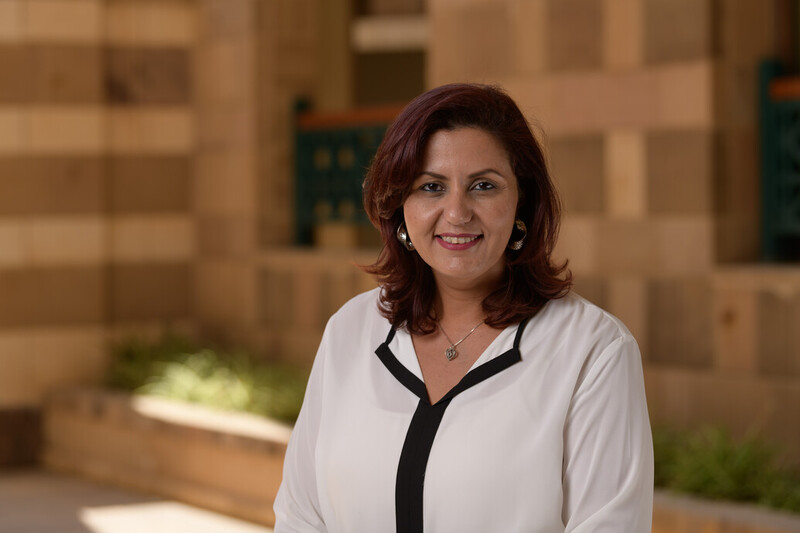
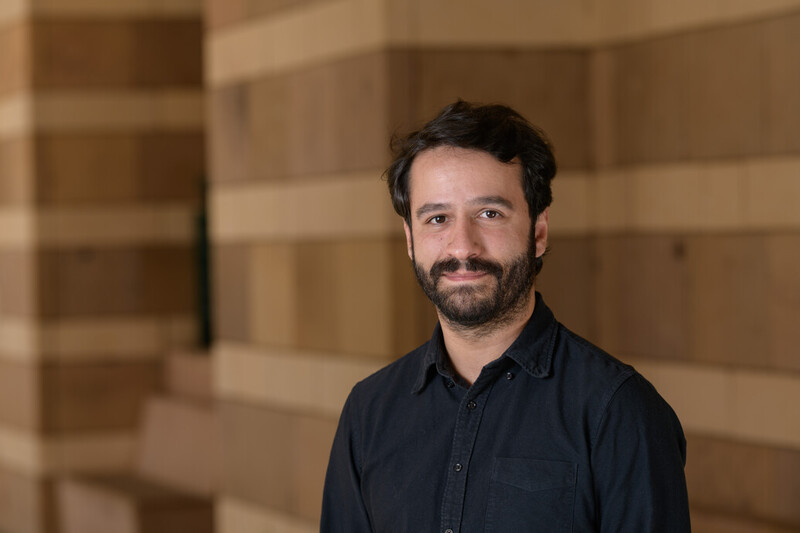
The lab produced several recommendations for climate-resilient real estate in Egypt. These items advise that green technology should be incentivized for real estate and business developers and financial institutions may be able to provide support for this transition. Additionally, the lab recommended that companies and economic planners design their long-term visions with carbon emission mitigation and resource efficiency in mind. 

On a wider scale, the lab suggested that policy makers and regulatory agencies should work with local governments to design clear rules and regulations for the green transition, while companies should promote green products that emphasize affordability. Finally, the lab recommended that there should be enhanced collaboration between different sectors and supply chains so that green technologies can be produced more efficiently. 

“To work towards the future that we want, we have to imagine it first. Imagining the future is especially important during crises, such as confronting the impacts of climate change, which call for urgent action in the present,” noted Helga Delaere, Director of New Silk Roads. 

The AUC Innovation Hub, located at AUC New Cairo, connects corporations, start-ups, researchers and innovators to collaborate on developing strategies for Egypt’s most challenging problems. 

Founded in 2009, New Silk Roads is an agency that connects mission-driven organizations with the right opportunities, tools and guidance to thrive. New Silk Roads offers futures thinking programs focused on collectively imagining the future and developing bold future visions. 

The Futures Lab has been implemented with support from the Hivos GreenWorks Alliance and the Dutch Ministry of Foreign Affairs. 

Share

From Abroad or Coming Home, AUC Welcomes New Faculty

Abigail Flynn
September 20, 2022
banner photo of new faculty

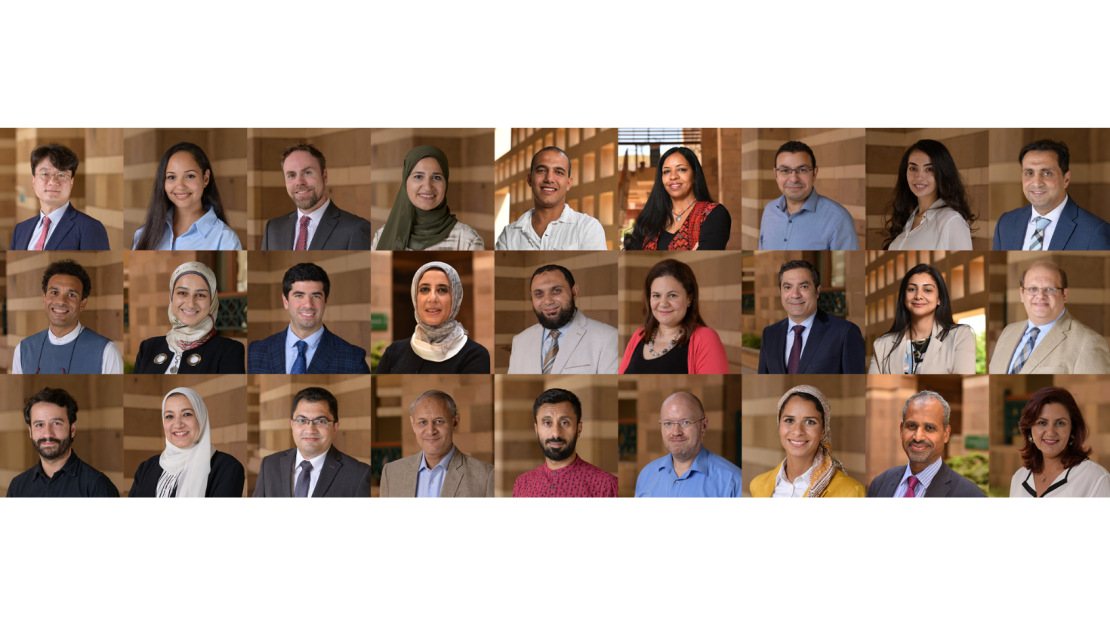
Coming from abroad or returning to their alma mater, AUC welcomed a new cohort of around 40 faculty members this fall.

While some members are experiencing Egypt for the first time, having moved from their homes in Germany, South Korea and more, other members are turning to their alma mater. News@AUC interviewed five members of this diverse cohort on their research, their decision to join AUC, and what they are looking forward to this year.


Shaimaa El Sherif

Shaimaa El Sherif

Instilling moral values such as acceptance and respect into her students is a key part of Shaimaa El Sherif’s, instructor in the Department of Rhetoric and Compositions, goals at AUC and her research in global citizenship education. She is currently working on two research projects, one on transformative learning and teaching and another on enhancing students’ 21st century skills. 

“I found out that there is no better educational institution in Egypt other than AUC to practice teaching and researching,” El Sherif states. “Honestly, I also owe AUC much of what I've learned academically and professionally throughout the past 10 years… I felt like it’s time to give back through teaching.”

El Sherif is excited to spend the year connecting with her students and helping them to become more well rounded through different teaching strategies in addition to working on her two research projects. 


Rodrigo Gratacos Brum

Rodrigo Gratacós Brum

Guided by his academic background in philosophy and film, Rodrigo Gratacós Brum, associate professor of practice in the Department of the Arts, is a talented filmmaker and teacher who joined AUC because of its growing film program. 

“I saw it as an opportunity to have an impact in the area, helping to develop a program that is already very strong,” Brum explains. 

Brum is looking forward to getting to know his students better and learning how he can help them develop projects based on their own experiences and interests. 


Sanghyeok Lee

Sanghyeok Lee

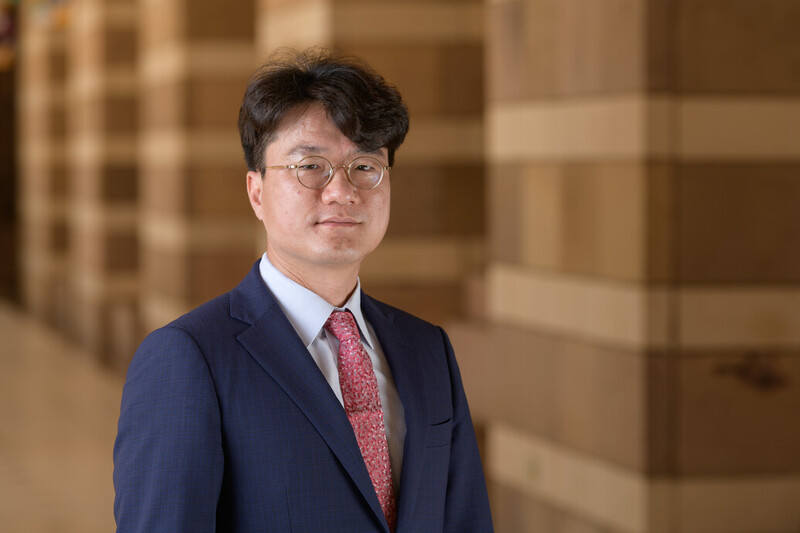
After studying in Australia and teaching in South Korea, Sanghyeok Lee, assistant professor in the Department of Economics, is ready for new academic adventures in Cairo. Lee studies micro-econometric theory, which includes event history and duration analysis, machine learning and treatment effect analysis.

“I am excited to have the opportunity to develop my knowledge and skills in a new place, and hopefully to be able to contribute to the local community as well,” Lee states. 

For the next year, Lee is most excited about the learning opportunities. After teaching in Korea and studying in Australia, New Cairo presents a novel experience for him to explore as an instructor and an academic.


Mariam Abdelazim

Mariam Abdelazim

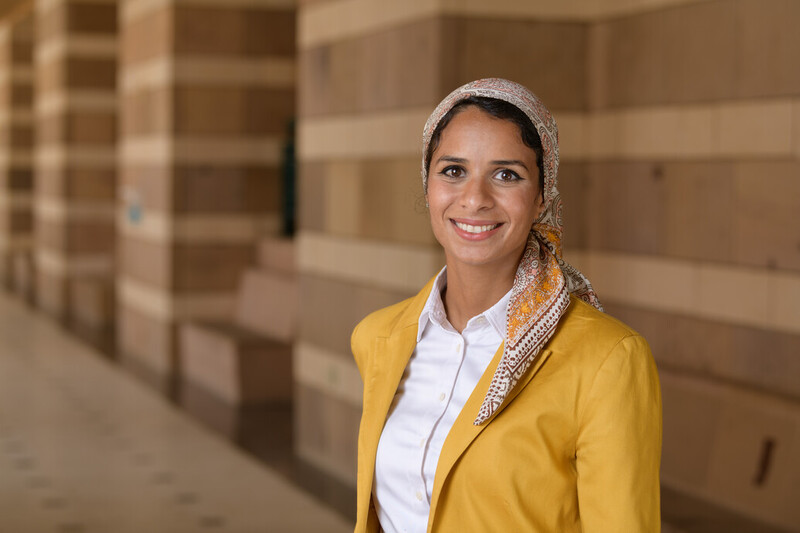
As an architecture alumna from AUC, Mariam Abdelazim, assistant professor in the Department of Architecture, is looking forward to the opportunity to give back to her alma mater. In her research she utilizes behavioral science to explore how people interact with public spaces. As a professor, she is excited to bring innovative teaching methods to her classroom. 

 “The attention span of students is different than before, so I always rely on interactive methods of teaching,” she explains. “I ask them to make TikTok videos on a building, or Instagram posts, or we play Jeopardy and do competitions, to get them interested through the type of media they are familiar with.”

Through the next year, Abdelazim looks forward to cultivating a learning community where students can learn from each other and she can learn from them.


Noah Farhadi

Noah Farhadi

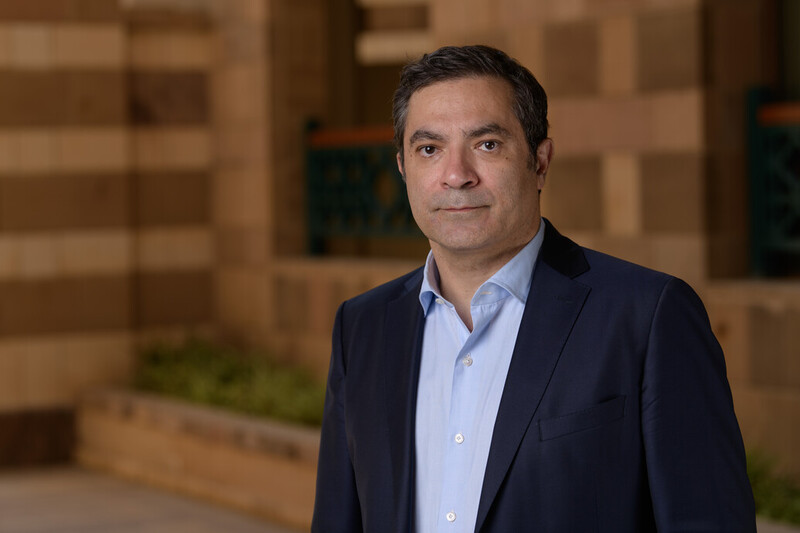
With over 27 years of experience in business administration, Noah Farhadi, professor of practice in finance in the Management Department and CIB Endowed Chair, is excited to continue his academic research on strategic finance, mergers and acquisitions and business ecosystems while teaching at the AUC. 

“I think to be a good professor, you need good students,” Farhadi explained. “The students at AUC are motivated, focused and engaged. So I made my choice to move here because it's a great platform for growth.”

In the next year, Farhadi is excited to experience Egyptian culture, connect with his students and contribute to the community. 

Share