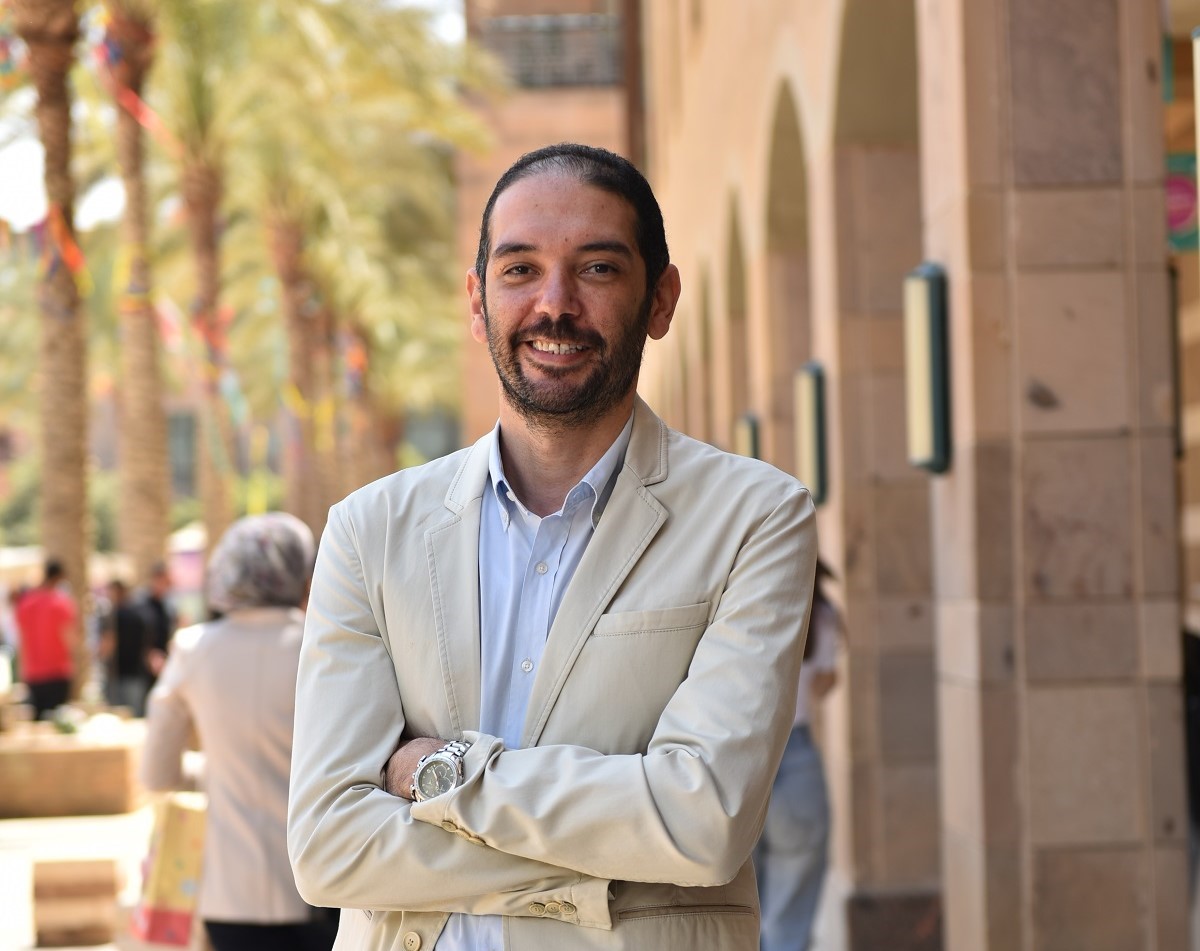
An alum works to solve the international puzzle of resilience versus vulnerability.
As countries scramble to improve their resilience to climate change, the need for cross-border cooperation becomes apparent. Youssef Nassef ’87, ’89, director of the Adaptation Division of the United Nations Framework Convention on Climate Change (UNFCCC), is working at the forefront of these international collaborations.
The UNFCCC’s initiatives on resilience support adaptation programs that achieve three goals: identify urgent needs in developing countries, create projects that address those needs and generate funding to implement the projects.
Recycling, reutilizing and repurposing are key to conserving resources.
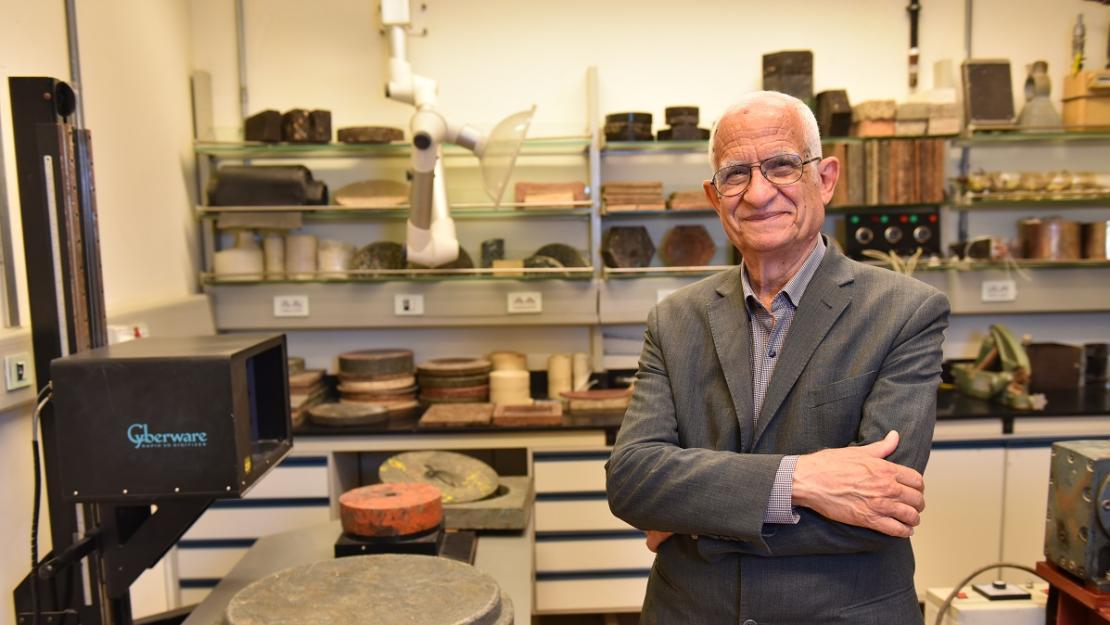
“Go to waste” has never been on Salah El Haggar’s agenda. A mechanical engineering professor at AUC since 1987, El Haggar is a guru when it comes to waste management, renewable energy applications and recycling.
“It’s all about making use of what is normally perceived as garbage or trash. Every single piece of waste can be repurposed with economic profits to nations and individuals alike,” he said, adding that practicing this intense form of recycling will contribute to a stronger economy and open avenues for innovation.
This fall, students from AUC and City University of New York collaborated virtually to study income and wealth disparity in Egypt and the United States. Using art, these students aimed to increase awareness about inequality under the collaborative Global Scholars Achieving Career Success (GSACS) program.
GSACS connects students from universities in the MENA region and CUNY through Collaborative Online International Learning. The program is centered around developing career readiness skills while researching United Nations Sustainable Development Goals.
In a core course at AUC called Art, Science and Global Aspects of Contemporary Sculpture, taught by Mahmoud Farag, professor in the Department of Mechanical Engineering, students examined the global aspects of sculpture and ways in which art is influenced by political and social restraints. Farag’s course was paired with a Humanism, Science and Technology course taught by Rochell Isaac, professor of English at LaGuardia Community College, City University of New York.
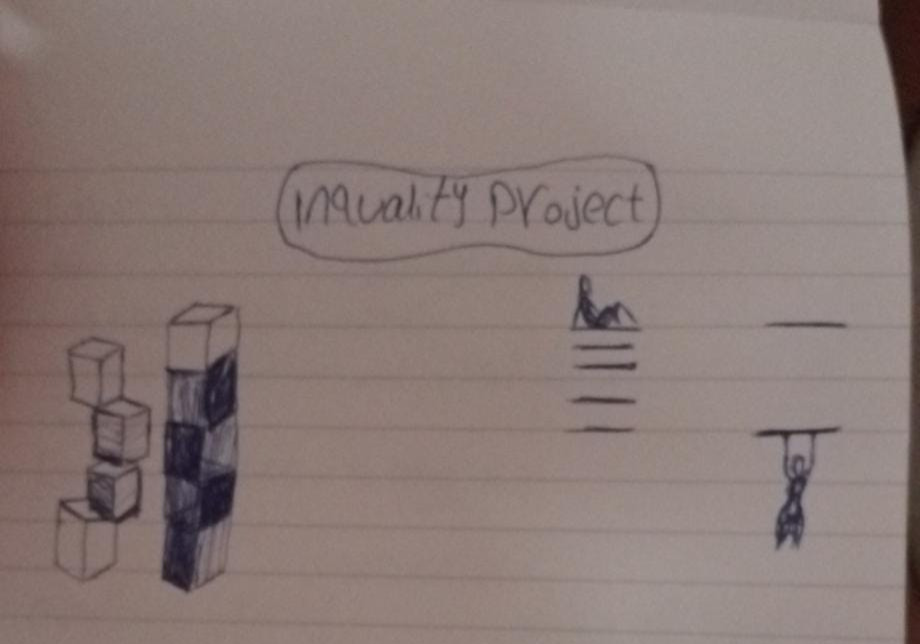
Student sketch of sculpture
“Before taking this course, I hadn’t taken the time to focus on the meanings within sculptures. Now I can see that anything as simple as a box, for example, can represent something,” reflected Farah Salem, integrated marketing communication sophomore. “It was great to learn the process of putting my own ideas and sketches into sculptures.”
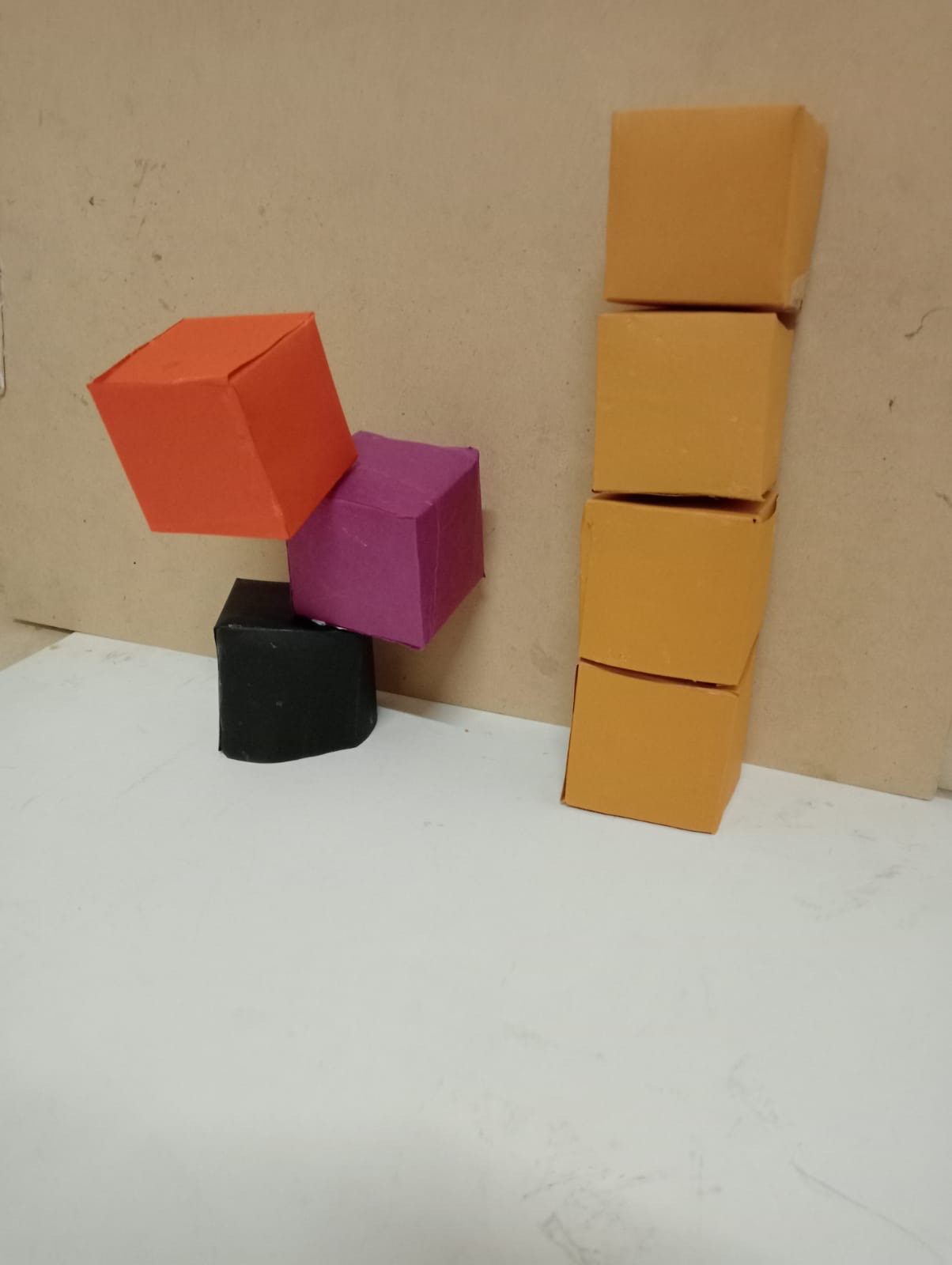
Student sculpture
Together, students explored UN Sustainable Development Goal #10, which aims to reduce inequality within and between countries. Drawing from their research and life experiences in the United States and Egypt, the students identified factors that lead to wealth and income inequality and suggested possible avenues for mitigation. Finally, they created sculptures that draw attention to this issue.
Salem and her group sculpted a set of two staircases made from shoe boxes and paint to represent gender inequality specifically. The first is a straight flight of steps, representing a man’s journey in his career — being smooth and straightforward. The second set vaguely resembles a staircase and could be called instead an obstacle course — full of uneven steps and twists and turns, this set represents a woman’s experience in the workplace.
“Women are responsible for many things — working, raising children and caring for their homes — meanwhile, society is constantly judging them,” explained Omnia Antar, graphic design sophomore and a member of Salem’s group. “We wanted to convey this through the cracked staircase.”
GSACS has enriched several courses at AUC through virtual exchange and experiential learning. One of the most exciting parts for University students is the connections they form with others, despite being oceans apart.
“When I learned we were doing a virtual exchange, I was excited,” Salem said. “It was great getting to know how students from other countries and universities approach their projects and coursework. I really enjoyed this experience.”
Global Scholars Achieving Career Success (GSACS) is supported by The Stevens Initiative , which is sponsored by the U.S. Department of State, with funding provided by the U.S. Government, and is administered by the Aspen Institute. The Stevens Initiative is also supported by the Bezos Family Foundation and the governments of Morocco and the United Arab Emirates.
AUC student creates an electric water scooter to protect marine life.
Stimulated by a desire to safeguard marine ecosystems and coral reefs, MBA student Aly Mohamed introduced Egypt’s first electric water scooter that uses only 3 kilowatts of electricity for a full one-hour charge, saving 8 tons of carbon dioxide emissions for every 100 hours. This stands in contrast to a traditional water scooter, which can guzzle 35 liters of gasoline per hour, with each liter emitting 2.3 kg of CO2.
The electricity needed to fully charge the electric water scooter’s lithium-ion battery costs only EGP 6 at current prices, and Mohamed’s team is exploring AI applications to extend battery life.
As an interdisciplinary program co-administered by AUC’s Department of Psychology and Department of Biology, the new behavioral neuroscience minor will allow students to study the relationship between the structure and function of the nervous system with an emphasis on the biological and psychological elements that affect emotions, behavior, learning and memory.
“There has been increasing interest and requests from AUC students for a Neuroscience program,” explains Patricia Correia, assistant professor of behavioral neuroscience in the Department of Psychology. “Internationally, behavioral neuroscience is a growing field, widely represented in top universities and research centers across the world. We believe this minor is an excellent first step towards opening a new, exciting field in Egypt at AUC.”
For students, this minor will provide a new perspective on biology and psychology and create a foundation for admission to graduate or professional programs, primarily for careers involving research, teaching, medicine, consulting and the pharmaceutical industry.
“Through this minor, I am hoping to broaden my knowledge and understanding of how the nervous system functions, and how the brain is involved in everything we think or do,” says Mariam Elnahhas, a biology major. “Hopefully, completing this minor will be a great first step for me to continue to study neuroscience after graduation and possibly make a career out of it someday.”
In terms of research, Jacquelyn Berry, visiting assistant professor in the Department of Psychology, uses behavioral neuroscience to study learning and expertise in humans. “I am super excited about the new minor. It works well with my research and teaching about how people learn and I can focus more on how different brain areas are involved,” Berry states.
The U.S. Agency for International Development (USAID) has awarded The American University in Cairo (AUC) $86 million for USAID Egyptian Pioneers, a new program that provides scholarships and training to Egyptian students with emphasis on sectors that can advance Egypt’s climate goals. Through a nine-year cooperative agreement, AUC will administer the program in coordination with the Ministry of Higher Education and Scientific Research, the Ministry of International Cooperation, and private and public sector institutions. Prioritizing women’s empowerment, diversity, inclusion and climate resilience, the USAID Egyptian Pioneers will build and develop the capacity of a cross-disciplinary network of public, private and academic entities. The program includes:
Scholarships for at least 700 young Egyptians (50% women) from underserved communities to obtain undergraduate degrees in Egypt
Scholarships for at least 60 midcareer government professionals to obtain master’s degrees in the United States or Egypt
Scholarships for at least 50 midcareer government professionals to pursue postdoctoral studies in the United States
U.S. and Egypt-based technical training for at least 280 midcareer Egyptian government professionals and at least 220 mid-career professionals from non-public entities
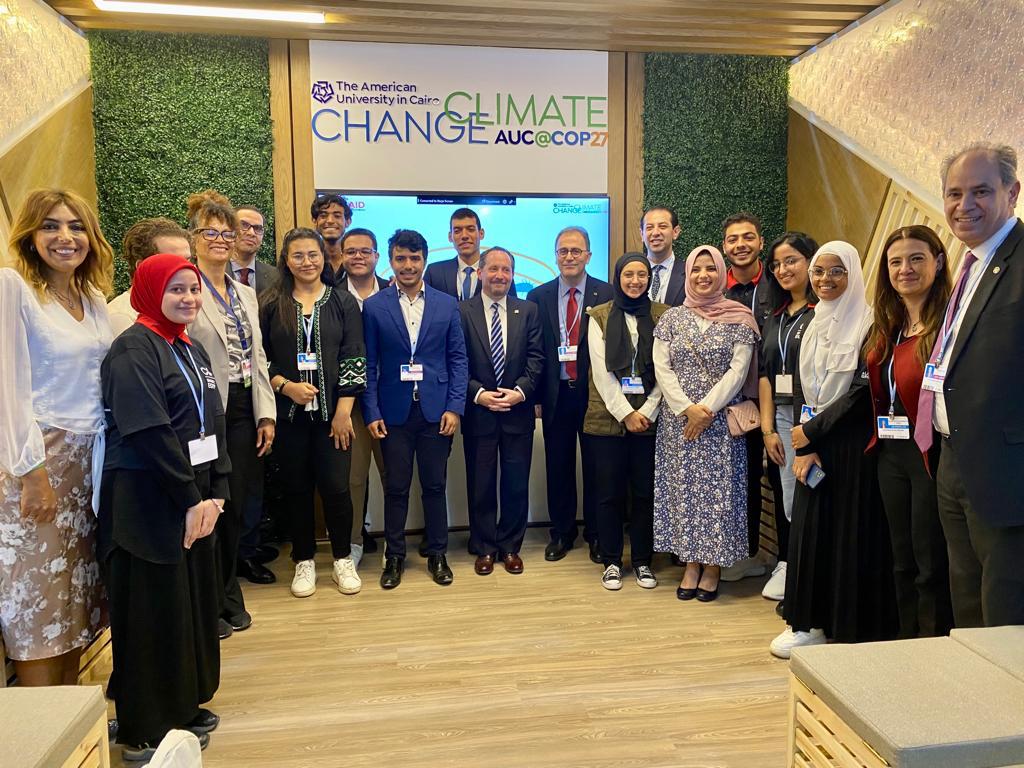
AUC President Ahmad Dallal and USAID delegation celebrate signing at COP27
Accordingly, more than 500 Egyptian women will engage in leadership and professional training, undergraduate and postgraduate scholarships, and study-abroad programs in the United States.
AUC President Ahmad Dallal said, “Leading the USAID Egyptian Pioneers program is a great honor for AUC. We commit to extending our longstanding leadership and excellence in education, capacity development and training to ensure the sustainable integration of the public, private and academic sectors. Egyptian Pioneers will surely leave an enduring impact on Egyptian society, advancing Egypt’s economic development and progress toward its Vision 2030. We thank the U.S. government and the Ministry of Higher Education and Scientific Research as we endeavor together on this partnership journey,”
USAID Deputy Mission Director Margaret Sancho stated, “Climate change is an enormous challenge for all people, all over the world. But we also know that women and girls bear a disproportionate burden of its impact. Despite this, women and girls are leading climate change solutions in their communities. That is why USAID’s Egyptian Pioneers program will include leadership and professional training, undergraduate and postgraduate scholarships, and study-abroad programs in the United States for more than 500 Egyptian women."
The United Nations recently announced that the world population has exceeded 8 billion, meaning that 1 billion people have been added to the global population in just 12 years. We spoke with Sungsoo Chun, professor at AUC's Institute of Global Health and Human Ecology, about this milestone, the challenges it poses and its impact on our climate future.
What caused the population rate to skyrocket in the last 12 years?
The countries with the highest population growth since the 1980s have been lower- and middle-income countries. After the world population reached 7 billion around 2010, the populations of low-income countries increased rapidly, and the populations of middle-income countries stayed high. This rapid growth is due to health support programs in low-income countries, along with the improvement in nutritional status and health services for these populations. These programs have significantly reduced the mortality rate of entire populations, including infant mortality. On the other hand, fertility rates remain high, contributing significantly to population growth.
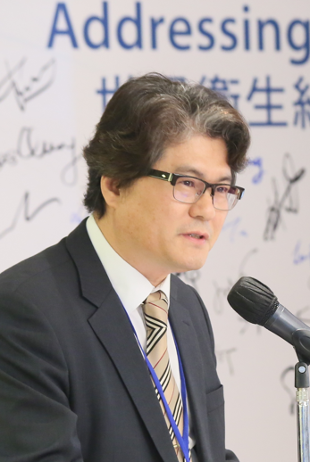
Sungsoo Chun
Is the growth rate slowing? What should we expect the global population to be 10 years from now?
Considering that the population percentage of lower- and middle-income countries accounts for 52% of the world’s population and that the population of high- and upper-middle-income countries is still increasing, population growth over the next 10 years is expected to increase at the same rate as the past 12 years. Although the rate of increase in population is gradually decreasing, it is still expected that the world population will exceed 9 billion in about 10 years.
What is the growth rate in countries like Egypt compared to the global population growth rate?
As of 2021, Egypt's population growth rate is 1.86, which is significantly higher than the average rate of lower- and middle-income countries of 1.34, and higher than the average rate of 1.71 across the MENA region. Looking at this indicator, it seems that for the time being, Egypt's population size has continued to show a rapid growth trend, as it has for the past decade or so. Considering that the population of Egypt as of 2021 was about 104 million and the current population growth rate, the population is expected to exceed 120 million after 10 years.
What are the economic, climate-related and sociological challenges posed by this growth rate?
Population growth is an essential factor in overall economic growth. The relationship between population growth and economic growth is controversial. Low population growth in high-income countries is likely to create social and economic problems, while high population growth in low-income countries may slow their development. In low-income countries, rapid population growth is likely to be detrimental in the short and medium term because it leads to large numbers of dependent children. In the longer run, this population can boost the economy as these young people become productive adults.
But rather than looking at the problems caused by population growth by country, it’s better to approach the issue from the perspective of how many people the Earth can support. Earth's carrying capacity is a critical variable that can determine the future of humankind. There is no disagreement that about 10 to 12 billion people are the limit of the Earth's population support. But it is estimated that the population will exceed 10 billion by 2060, reaching 12 billion by 2100.
What do you predict some of the policy outcomes of this growth rate will be globally?
Population policy is an integrated policy, considering health, economic and social structures, immigration, culture and the environment. Population policy can’t just serve one nation, but the globe. Over the last few decades, population policies were mainly developed case by case for each country's needs. Now we recognize that the population issue isn’t a problem within a single country but a global issue, and we expect population policies to be established globally, taking into account the capacity Earth has to support population growth.
What do you see as the best course of action?
Since the impacts of population policy aren’t felt for a long period of time, it’s essential to unify our global policymaking by taking future projections into account. Beyond religious, cultural, social and economic perspectives, integrated policies to save the entire Earth must be discussed and practiced
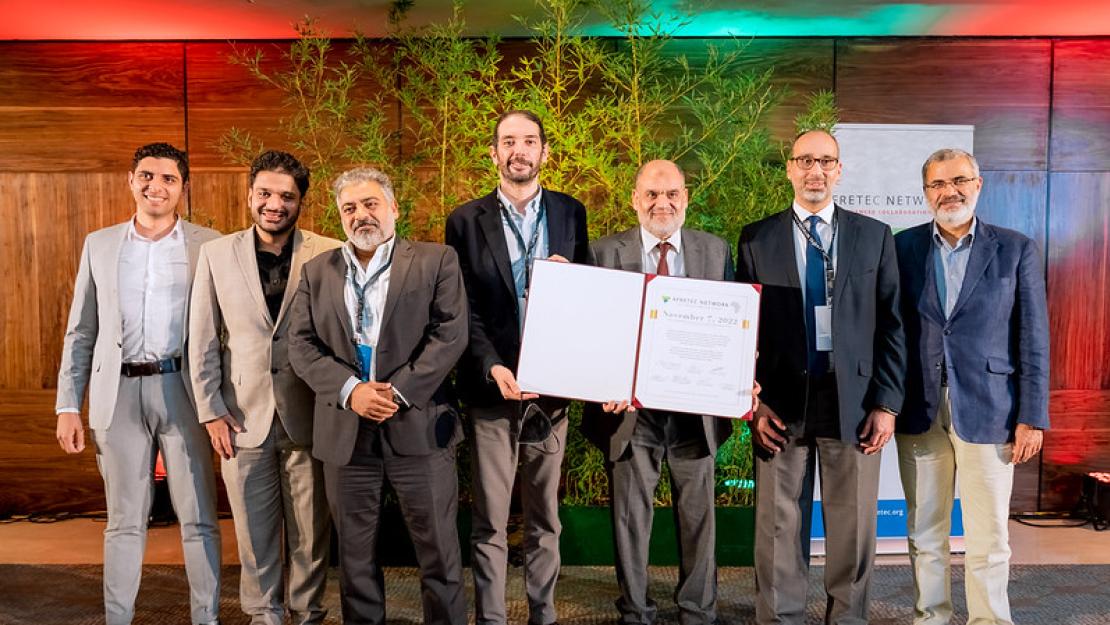
AUC delegation at the Afretec Inaugural Conference in Kigali, Rwanda. Photo courtesy of Carnegie Mellon University Africa
AUC is the only University representing Egypt and Northeast Africa in the newly established African Engineering and Technology (Afretec) Network, a collaboration between African universities to drive inclusive digital transformation across the continent.
Focusing on fostering collaboration across Africa in areas related to information and communications technology, the network was created to support initiatives that address three main pillars: teaching enhancement, knowledge creation and pathways to opportunities (entrepreneurship). AUC will contribute to the network’s activities through joint training, collaborative research, sharing best practices, and student/staff/faculty mobility, among others.
Karim Seddik
The network’s creation could not be more timely, with Egypt and much of Africa in the midst of massive digitization campaigns. “The aim is to create dignified jobs in the emerging African technology market,” said Karim Seddik, professor and associate dean for graduate studies and research at AUC’s School of Sciences and Engineering. “This is done through activities focused on teaching, research and entrepreneurship across the network members.”
According to Seddik, the collaboration will involve AUC undergraduate and graduate students from all disciplines through competitions, training, topical workshops and research projects, to name a few. “While the focus of the network is information and communications technology, solutions from this field of work can be applied to many sectors, such as health, agriculture and transportation — so the collaboration will greatly benefit from all of AUC’s disciplines.”
After a rigorous review of the University’s research capacity and resources, as well as a site visit from Carnegie Mellon University Africa, AUC was selected to join the network, which currently consists of seven universities and will only grow by three more.
“This collaboration will strengthen AUC’s ties with other African universities, leading to more opportunities,” Seddik said. “Afretec will be a great tool for exploring collaboration inside Africa on many fronts. The network will also provide many funding schemes to support its members to produce regional and international impact.”
Inclusive digital transformation, according to the Organization for Economic Cooperation and Development’s 2021 Development Co-operation Report,“is ensuring that digital technologies are universally available, accessible and adopted and that they enable meaningful and safe use of the internet and digital services for all.” It also considers, protects and empowers vulnerable and underrepresented populations, striving to eliminate inequality while working to meet a country’s digital transformation goals.
The Afretec Inaugural Conference, hosted by CMU-Africa in Kigali, Rwanda earlier this month, gathered faculty members and staff from participating universities. “The event was amazing. It was an eye-opening experience for all of us — the potential of this network and our collaboration with African peers is expected to have a huge impact on AUC,” said Seddik.