Home page
ع

From Abroad or Coming Home, AUC Welcomes New Faculty

Abigail Flynn
September 20, 2022
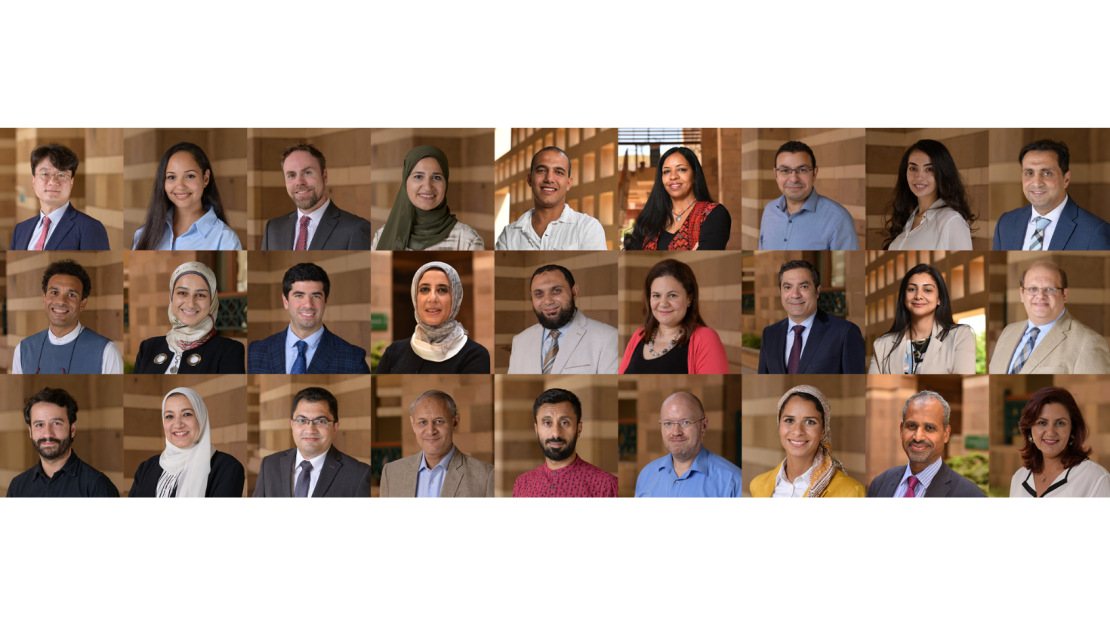
banner photo of new faculty

Coming from abroad or returning to their alma mater, AUC welcomed a new cohort of around 40 faculty members this fall.

While some members are experiencing Egypt for the first time, having moved from their homes in Germany, South Korea and more, other members are turning to their alma mater. News@AUC interviewed five members of this diverse cohort on their research, their decision to join AUC, and what they are looking forward to this year.


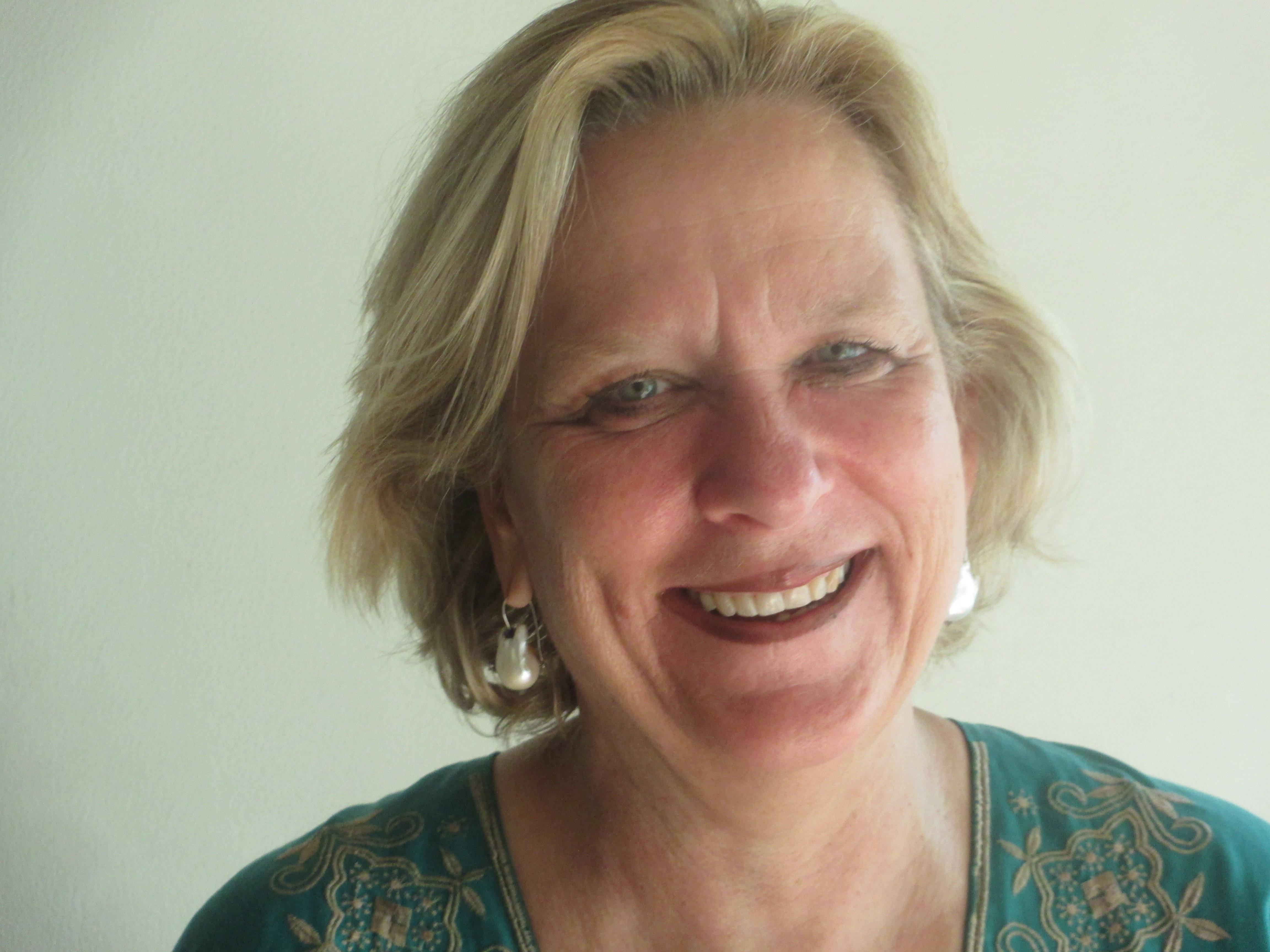
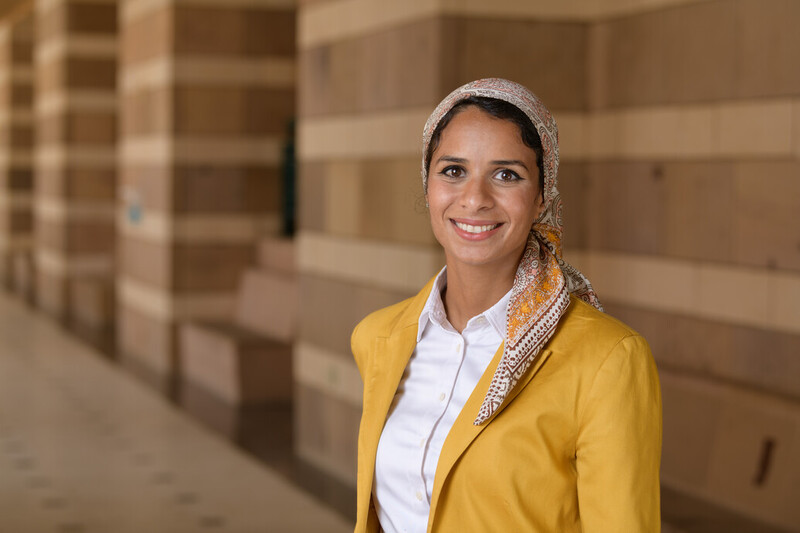
Shaimaa El Sherif

Shaimaa El Sherif

Instilling moral values such as acceptance and respect into her students is a key part of Shaimaa El Sherif’s, instructor in the Department of Rhetoric and Compositions, goals at AUC and her research in global citizenship education. She is currently working on two research projects, one on transformative learning and teaching and another on enhancing students’ 21st century skills. 

“I found out that there is no better educational institution in Egypt other than AUC to practice teaching and researching,” El Sherif states. “Honestly, I also owe AUC much of what I've learned academically and professionally throughout the past 10 years… I felt like it’s time to give back through teaching.”

El Sherif is excited to spend the year connecting with her students and helping them to become more well rounded through different teaching strategies in addition to working on her two research projects. 


Rodrigo Gratacos Brum

Rodrigo Gratacós Brum

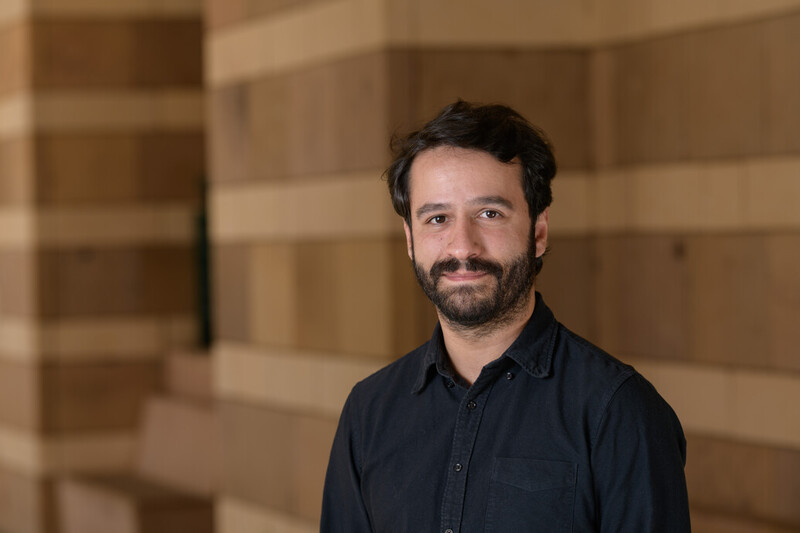
Guided by his academic background in philosophy and film, Rodrigo Gratacós Brum, associate professor of practice in the Department of the Arts, is a talented filmmaker and teacher who joined AUC because of its growing film program. 

“I saw it as an opportunity to have an impact in the area, helping to develop a program that is already very strong,” Brum explains. 

Brum is looking forward to getting to know his students better and learning how he can help them develop projects based on their own experiences and interests. 


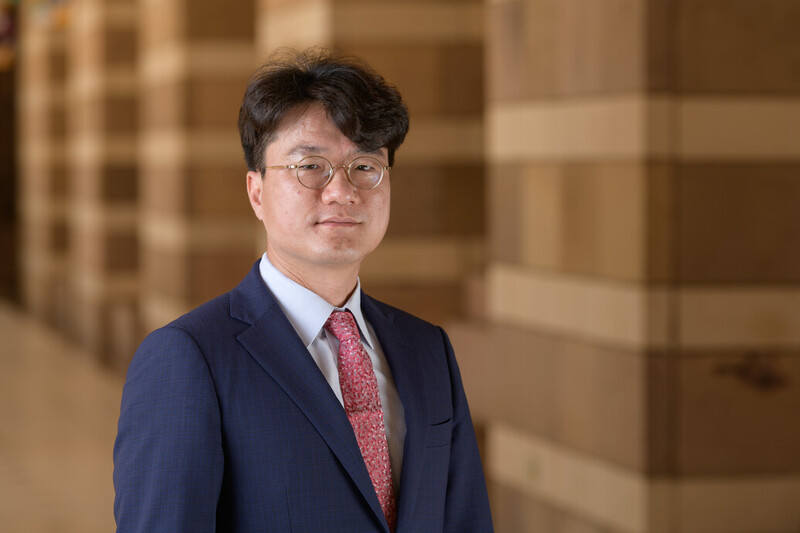
Sanghyeok Lee

Sanghyeok Lee

After studying in Australia and teaching in South Korea, Sanghyeok Lee, assistant professor in the Department of Economics, is ready for new academic adventures in Cairo. Lee studies micro-econometric theory, which includes event history and duration analysis, machine learning and treatment effect analysis.

“I am excited to have the opportunity to develop my knowledge and skills in a new place, and hopefully to be able to contribute to the local community as well,” Lee states. 

For the next year, Lee is most excited about the learning opportunities. After teaching in Korea and studying in Australia, New Cairo presents a novel experience for him to explore as an instructor and an academic.


Mariam Abdelazim

Mariam Abdelazim

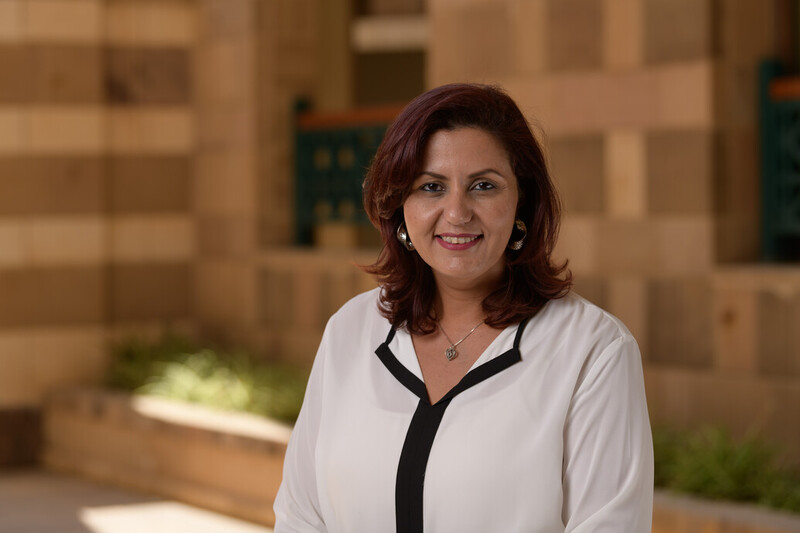
As an architecture alumna from AUC, Mariam Abdelazim, assistant professor in the Department of Architecture, is looking forward to the opportunity to give back to her alma mater. In her research she utilizes behavioral science to explore how people interact with public spaces. As a professor, she is excited to bring innovative teaching methods to her classroom. 

 “The attention span of students is different than before, so I always rely on interactive methods of teaching,” she explains. “I ask them to make TikTok videos on a building, or Instagram posts, or we play Jeopardy and do competitions, to get them interested through the type of media they are familiar with.”

Through the next year, Abdelazim looks forward to cultivating a learning community where students can learn from each other and she can learn from them.


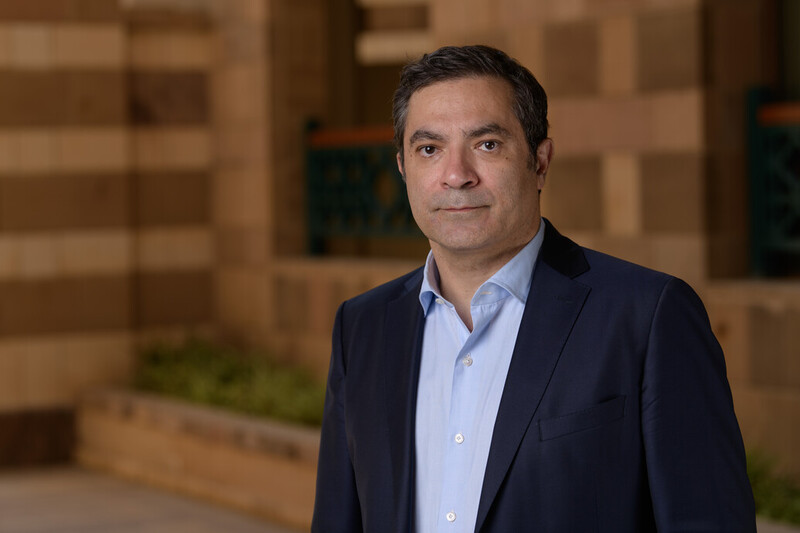
Noah Farhadi

Noah Farhadi

With over 27 years of experience in business administration, Noah Farhadi, professor of practice in finance in the Management Department and CIB Endowed Chair, is excited to continue his academic research on strategic finance, mergers and acquisitions and business ecosystems while teaching at the AUC. 

“I think to be a good professor, you need good students,” Farhadi explained. “The students at AUC are motivated, focused and engaged. So I made my choice to move here because it's a great platform for growth.”

In the next year, Farhadi is excited to experience Egyptian culture, connect with his students and contribute to the community. 

Share

Upcoming Piece of Mind Festival to Explore Mental Health Through Theatre

Abigail Flynn
September 19, 2022
A still image from the ten minute play Insih, produced as part of the Mish Zanbik series of shorts plays, AUC 2021.

Launching for the first time in early 2023, AUC’s Piece of Mind festival aims to normalize conversations about mental health by featuring scripts written by members of the AUC community on mental health and well-being. 

The festival will be accepting English and Arabic submissions from students, alumni, faculty and staff until October 15. 

“Despite global efforts to raise more awareness about the importance of mental health and to destigmatize it, Egyptian society still has a way to go,” says Nadine Abdel Razek ‘20, festival artistic director. “We wanted to use theatre, as the powerful tool that it is, in creating change and starting conversations about this vital topic.”

Piece of Mind will showcase realistic,10-minute plays about mental health and community. Ahead of the festival, Abdel Razek and their team will select seven to nine scripts from the AUC community’s submissions to develop, after which three to five will be offered a place in the festival. Each script will be assigned a director, and a casting call for actors will follow. AUC community members are encouraged to audition.

The festival was created and is overseen by Jillian Campana, professor and associate dean for Undergraduate Studies and the School of Humanities and Social Sciences. “When I initiated this community project I wanted to promote the idea that mental health is an issue for all of us,” she said. “Needing to talk about it, or wanting help is nothing to be ashamed of; rather seeking help when we need it is part of our total wellness."

The production will take place at AUC early February 2023 and will provide an opportunity for its creators and the audience to start conversations, connect with one another and see the ability of theatre to guide social change and acceptance. 

“We want these plays to show people that they are never alone in whatever they’re going through, that whatever they may be experiencing and/or struggling with is valid,” Abdel Razek explains. “We hope that this festival can help normalize this often taboo topic and help destigmatize it, allowing people to talk more openly about mental health struggles.”

Submit your original play to Piece of Mind here.

Share

From Queen to King: AUC Faculty Members Share Insight on Royal Transition

Abigail Flynn
September 14, 2022
Queen Elizabeth II
Photo by Mark De Jong on Unsplash

After 70 years of maintaining the British monarchy’s non-political status, the death of Queen Elizabeth II has raised concerns over how the transfer of power to King Charles III may disrupt the status quo. News@AUC spoke with Chris Barker, assistant professor in the Department of Political Science, and Olivier Schouteden, assistant professor in the Department of History, to gain more perspective on this transition. 

What was Queen Elizabeth II’s role in the UK’s political affairs, if any?

Schouteden: Elizabeth II was a constitutional monarch, the embodiment of the nation, and without much more than a ceremonial role. Elizabeth II indeed had the reputation to refrain from intervening in (or even expressing her thoughts publicly about) political affairs.

Barker: The word often used about the queen is “inscrutable.” She was careful not to politicize the monarchy. In his 1867 book The English Constitution, Walter Bagehot distinguishes between dignified and efficient parts of the constitution, arguing that the dignified part is where the power lies and that the efficient part merely uses it. In my own view, that goes too far. And while American small-r republicans will criticize the monarchy, think of the dignity they typically impute to (or require from) their president.

What impact, if any, will this transition have on global politics? 

Schouteden: Through thick and thin, Elizabeth reigned for 70 years — her death leaves a considerable vacuum to fill. This challenge is heightened by the crisis the UK is currently undergoing. Four prime ministers in six years, reflecting a political instability that cannot be understated, an economic crisis fueling popular discontent and social strife, which stem from, among other factors, the combined effects of Brexit, the COVID-19 pandemic and the invasion of Ukraine. 

On an international and diplomatic level, the UK in a post-Brexit era also struggles to redefine its position within Europe and on a global level. This transition could contribute to further weakening Britain – on a smaller level, some have been quick to notice the losses caused by the slowing down of the economy during national mourning.

Barker: Some countries among the 14 who retain the monarch as their sovereign will take the opportunity of the queen’s death to reconsider the value and meaning of the monarchy. Some may become republics, like Barbados did last year. Expect action on this front in the Caribbean countries anxious about the legacies of slavery and empire.

Will this have any discernible effect on the MENA region and Egypt specifically? 

Schouteden: It is hard to tell so early on. But what about Charles’s position in regard to religion? Charles III seems aware that he will reign over a multicultural, multi-religious society, and this could also mean more openness to different cultures outside of Britain. Yet, there is little indication that his role in this realm will be different from that of Elizabeth II.

How would you describe King Charles’ involvement with politics during Queen Elizabeth’s reign? 

Barker: The commentariat tends to describe Charles as an activist heir, and thus possibly an activist monarch, particularly on issues of importance to him, such as climate change. But Charles said in 2018 that his activism will stop when he takes the throne. The new role requires a new approach, a new restraint, and he has a model to imitate in his mother’s conduct.

Schouteden: Charles has publicly expressed his concerns regarding global warming and support for an ecological transition. He might try to stir the course of the economy in this direction, but it is unclear at this point whether ecological concerns will be given a boost in the UK because of Charles’s passionate claims for a greener world. It is worth noting that during his tenure as Prince of Wales, Charles has been criticized for his lobbying of politicians. Charles is quite savvy and more politically inclined than his mother, but we cannot overplay the impact he could have on political affairs because of the limitations discussed above.

In the past, King Charles has said publicly that if he becomes monarch, he won’t act the same way he did as an heir. Even if this is true, do you think the public’s perception of him will create challenges regardless? 

Schouteden: His earlier opinions [on politics] were expressed in his own name and before his reign, not as part of the royal ideology. We can expect him to reign as Elizabeth II did. What will be demanded of him? To officiate in public ceremonies, to partake in public duties, to represent the UK abroad.

Charles is not held in such high esteem by the citizens of the UK. He is actually less popular than his son William, Prince of Wales (next in line for the throne) and his daughter-in-law Kate Middleton. But is there any reason to doubt the British peoples' sympathy for the Crown at large? I am not sure. We know of the dissatisfaction of young British people with the monarchy but this does not indicate a potential for sedition either. 

Barker: Charles is probably the most overexposed heir to any throne in history. The public has had seventy years to form their opinion – apparently, this is a Guinness world record for heirs-apparent. While he may never outgrow those judgments, the question is whether those old judgments will overbalance the public’s reverence for the institution. And, perhaps more important than what he did as heir, is what he will do to prepare his own heir, Prince William, to continue to embody the dignified part of the constitution.

What would the consequences be for King Charles if he is found to be misusing his position? Can you impeach a king?

Barker: You cannot impeach a king; at most, parliaments have used the impeachment power as a tool to act indirectly against a monarch by impeaching royal ministers. However, all the lesson you need about removal from office lies in a name: Charles III inevitably reminds us of Charles I, executed for treason in 1649.

Is there any other information about this topic you would like to share? 

Schouteden: I would conclude by saying that the only true justification for the British Crown (especially the hereditary nature of the title) today is in its impotence! In other words, should Charles III attempt to exert more power than Elizabeth II, he would not only hit an institutional/constitutional wall, he would also probably be the subject of much ire and criticism that could end the monarchy altogether.

Share

AUC Launches Egyptian Migration Hub to Enhance Refugee Policy, Protection

Amanda Tapp
August 18, 2022
Silhouette of people walking in a line with the sky illuminated behind them

As part of its continuous outreach efforts, AUC launched the Egyptian Migration Hub (EHUB) this summer to raise community awareness of the plight of refugees, implement effective policies to address this global issue, and protect refugees and asylum seekers.

A joint initiative between CMRS and the European Union,  the hub will be a platform for discussing strategies, centralizing data, and furthering policy on migration, as well as addressing gaps in the literature and research on migration in Egypt.

“The ultimate goal of EHUB is to initiate and implement better policies for Egyptian migrants abroad, and for migrants, refugees and asylum seekers in Egypt," said Ibrahim Awad, professor of practice in global affairs and CMRS director. 

Egypt’s strategic position connecting the Middle East to Africa acts as a crossroads for migration patterns, thereby serving as a transit country for migration. Many Egyptian immigrants are working in Jordan, Saudi Arabia and other Gulf countries. Egypt is also home to many refugees and asylum seekers from Syria, Iraq, Yemen, Sudan, South Sudan and Ethiopia. According to the United Nations Refugee Agency, there were over 263,000 refugees in Egypt in 2021. The overwhelmingly largest country of origin for Egypt’s refugees is Syria, accounting for over half of the total registered refugee population. 

“EHUB is an open, inclusive, multidisciplinary partnership that draws on government donors, experts, practitioners and civil society to create and synthesize knowledge for the use by policymakers,” said Ambassador Christian Berger, head of the European Union Delegation to Egypt, at the hub’s launch event. 

As one of the first few academic institutions on migration and refugee studies in the MENA region, CMRS is "the only academic institution in Egypt that offers postgraduate degrees in migration and refugee studies, in addition to carrying out research, training and outreach activities in the field,” said Maysa Ayoub, associate director of CMRS. The hub will contribute to the research on push and pull factors of migration patterns – “push” being the factors that cause emigration and “pull” referring to the aspects of a location attracting migrants – greatly benefiting the policymaking process.

Discussing the implementation and initiation of effective policies for Egyptian migrants abroad as well as migrants, refugees and asylum seekers within Egypt are a few of the major focus points within the field. As such, some of the challenges the hub seeks to address include the evolving demand for migrant labor in Arab countries and in Europe, expanding channels for regular labor migration in order to curb irregular migration, enhancing the protection of Egyptian migrants, and preventing and dealing with the smuggling of migrants and human trafficking. 

At home, the hub also seeks to assist in meeting the demands of the Egyptian labor market by developing the capacities and skills of workers. This in turn will aid in the protection of refugees and asylum seekers in Egypt, easing their immersion into the country’s labor market and ultimately guiding them toward a self-sustaining lifestyle.

EHUB’s upcoming sectoral forums will include three planned meetings on migration data, external employment and combating human trafficking. Within each meeting, relevant stakeholders — such as government officials, international organizations, academics, experts and media representatives — will collectively tackle these issues. In addition, media training will bring together journalists and other media professionals to discuss topics such as the migration narrative and the prevention of xenophobia through media narratives.

By gathering all relevant stakeholders regarding migration in the context of Egypt together, the hub will effectively contribute to research on migration and refugees and facilitate discussions to serve policymakers, Ayoub explained. 

Learn more about EHUB here.

Share

Ancient Afflictions: Salima Ikram Investigates Mummy Who Suffered From Oldest Documented Stroke

Dalia Al Nimr
August 9, 2022
The mummy Salima Ikram is investigating
Photo credit: Jesus Herrerin

A new study co-authored by Salima Ikram (YAB '86) suggests that ancient Egyptians were capable of treating and rehabilitating patients who suffered from strokes.

An international team of Egyptologists from the United States, Spain and Egypt, including AUC’s own Salima Ikram (YAB ’86), has discovered an ancient Egyptian female mummy who suffered a stroke — the oldest documented stroke case in the scientific medical literature.

Studied macroscopically and radiographically on site, the mummy was found to be aged 25-40 (probably closer to 40), belonging to a woman of the 25thDynasty who died some 2,700 years ago. She appears to have suffered a right cerebral stroke, causing brain damage, and left hemiplegia (paralysis on one side of the body). Radiological examination shows that the paralysis occurred once bone growth was completed, when the woman was 23 to 25 years old, but significantly before her death — which means that she lived with the disease for a long period of time while receiving care and support from those around her.

The mummy
Mummy of Individual 6833 and annotated radiographs showing wood fragments. Besides stick A, exterior to the wrappings, 2 other sticks (B and C) were placed within the bandages between the scapula and spine, helping to keep the body erect.


“This tells us that strokes have a long history and that even in antiquity, people survived them, especially as others cared for them to ensure their survival,” said Ikram.

The study, titled “A Possible Stroke Victim from Pharaonic Egypt,” records that the mummy was found in a position not reported before, with one arm extended and the other crossing over the chest with a contracted hand — a key clue to the diagnosis. Mummies during that period had their hands typically either lying alongside their bodies or in a crossed position on the chest. The mummy’s head was angled down, dramatically, with contracted shoulders, which is common with children’s mummies but not with adults. The position of the shoulders, head and flexed arm suggests that the woman was suffering from damage to the right hemisphere of the brain, and the face looking down is typical of strokes, the co-authors explain in the study.

An attempt was made during the mummification process to fix the position of the woman’s head and chest by including two sticks at her back, which gave her a permanent erect posture. She was also provided with a stick or a crutch, which she seemed to have used during her lifetime as a walking aid. The presence of a rare red linen fabric — found in only a few burials — covering the mummy’s head to knees, suggests a higher social status for this mummy.

The team is currently working on other mummies from the Dra Abu el-Naga area near Luxor to see if they suffered from diseases as well. 

“We are learning about different diseases that ancient Egyptians suffered from and how they dealt with this both medically as well as in a sociocultural context,” said Ikram.

Share

The Great Design of History

Elizabeth Lepro
June 22, 2022
Colors, buildings, car, women's faces, butterflies, bird, بحر, جبل بيروت, بيروت

In their award-winning book, AUC faculty chart the evolution of Arab graphic design.

Some of the more than 600 visuals featured in A History of Arab Graphic Design: the anatomy of a horse in crimson and azure, labeled in elegant Arabic calligraphy and preserved on paper for six centuries; tiles in shades of cerulean, turquoise and ultramarine adorning the half-moon entryway of Sheikh Lotfollah Mosque in Isfahan, Iran; an illustrated mermaid hugging a bouquet of paintbrushes on the first-ever Alexandria Biennale poster.

The first-of-its-kind textbook reminds us that for as long as humans have taken up space, we have insisted on decorating it. In doing so, Arab and Islamic artists have drawn, painted and etched a visual record of their history, whether they meant to or not. “Graphic design is part of a visual language that is itself the by-product and reflection of a culture and its society,” co-authors and Department of the Arts faculty Bahia Shehab (MA ’09), professor of practice, and Haytham Nawar, associate professor and chair, write. “We cannot discuss modern Arab graphic design and visual culture without understanding the region’s visual heritage.”

To read the full article, click here.

Share

Innovation for Impact

Devon Murray
June 22, 2022
Games for visually impaired children

From pollution to illiteracy, graphic design graduation projects aim to educate, empower and make a difference.

Hessa fe Qessa (A Lesson in a Story) – Salma Elbarbary ’22

With Egypt’s illiteracy rate reaching 27% in 2020, Hessa fe Qessa is an educational app that teaches illiterate individuals how to read, employing an interactive story that discusses relevant social issues. The app includes an audio guide, exercises and an information bank.

Gowa El Hadota (Inside the Tale) – Salma Elbarbary ’22

We live in a visually abundant world where millions of visually impaired children are deprived of daily activities, simply because they were designed with the sighted consumer in mind. Opening the gates to worlds that can be seen through storytelling and sensory stimulating activities, Gowa Al Hadota is a multi-sensory playing experience for visually impaired children aged 6 to 12. The narrated game targets the child’s imagination to unlock a world that can empower them to play and explore their surroundings independently and safely.

To read the full article, click here.

Share

Creativity with Compassion

Katie Marie
June 22, 2022
Group of people standing in a circle

Human-centered design thinking approach is a core part of the AUC educational experience.

By integrating design thinking into the curriculum, AUC is teaching students to approach complicated problems with a sense of empathy, creativity and resilience, explained Hoda Mostafa, professor of practice and director of the University’s Center for Learning and Teaching (CLT).

Design thinking is a methodology used by Fortune 500 companies, including Apple and J.P. Morgan, to transform their way of operating and develop innovative, customer-centric products and services. International development institutions, such as the World Food Programme and UNESCO, have employed it to create policies and programs that effectively address poverty, gender inequality and other complex global challenges.

To read the full article, click here.

Share

When Language Becomes Art

Katie Marie
June 22, 2022
Generative pictographic language لغة بيكتوغرافية توليدية

Faculty uses AI and machine learning to create a universal pictographic human language.

Can humans communicate through a single unified language? 

Yes, according to Haytham Nawar, associate professor and chair of the Department of the Arts, who is using artificial intelligence and machine learning to develop a universal pictographic language that could bridge divides and enhance cross-cultural understanding.

Why pictographic? 

“The idea is that the machine creates a new language based on how humans in the past created pictographic languages, starting from hieroglyphics all the way to emojis,” said Nawar, who has long been interested in scripts and pictographic languages, such as Egyptian hieroglyphs, cuneiform scripts used in the Near East and ancient Chinese writing systems. These image-based languages were humanity’s earliest communication systems, the precursors to the script-based languages we use today.

To read the full article, click here.

Share

Faculty Receive Tenure

Lucy Shafik
July 26, 2022
Faculty Receive Tenure
Dina Heshmat, John Meloy and Rasha Allam received tenure this year

AUC’s Board of Trustees has approved the tenure of three faculty members for their commitment to academic excellence and dedication to the proliferation of knowledge at all levels. The recipients are John Meloy (CASA ’85, ’87), dean of the School of Humanities and Social Sciences and professor in the Department of Arab and Islamic Civilizations; Dina Heshmat, assistant professor in the Department of Arab and Islamic Civilizations; and Rasha Allam ’02, ’05, assistant professor and associate chair of the Department of Journalism and Mass Communication.

"The greatness of our University rests squarely on the talents and accomplishments of its faculty," said Provost Ehab Abdel-Rahman. "At AUC, we are blessed with faculty members who engage in groundbreaking research, scholarship and creative work. I am delighted to congratulate this year's tenured faculty who are all prime examples of AUC's commitment to excellence. AUC continues to be fully committed to tenure excellent faculty, [who] together with the many distinguished faculty members, contribute to realize the University's vision of excellence in teaching, research and creativity."

Dina Heshmat

Heshmat’s journey at AUC began in September 2013 when she joined the Department of Arab and Islamic Civilizations as assistant professor of Arabic literature. For Heshmat, teaching garners its own special rewards, namely rich interactions with students and the ability to impact future generations. “One of the things I enjoy most is that by teaching at AUC and interacting with its students, I feel I can make a difference for the new generations,” she said, adding that she is “overjoyed” about receiving tenure.

Building upon the research she has done while working on her book titled Egypt 1919: The Revolution in Literature and Film, a project facilitated by a grant from AUC’s Office of the Associate Provost for Research, Innovation and Creativity, Heshmat is now undertaking an ambitious new research project, for which she was awarded a fellowship at the Nantes Institute for Advanced Study, which is part of the Some Institutes for Advanced Study consortium. 

“The project is tentatively titled Gender, Narrative and Nationalist Movement: Auto/biographical Narratives of Women in Egypt 1919. This work aims at retrieving the autobiographical narratives of the nationalist and feminist militants who were active participants in the anti-colonial revolution of 1919 by looking at a wide range of texts they authored, including memoirs, articles, poems, short stories and unpublished letters. I plan to turn the research I am doing for this project into a new book,” Heshmat explained. 

John Meloy

Meloy, who is a graduate of AUC’s Center for Arabic Study Abroad, expressed his gratitude for this recognition. “I’m honored to receive tenure. I appreciate the faculty and working with all my colleagues,” he said. 

When he first joined AUC in July 2021 as HUSS dean, Meloy emphasized the importance of critical thinking: “The critical skills our students acquire from our various disciplines give them the means to continue learning after they graduate. It’s not so much teaching them what they need to know now, but rather teaching them how to figure out what they need to know and giving them the skills and traits to teach themselves: sharpening critical thinking, cultivating curiosity and creativity, fostering individual and social awareness, and strengthening effective communication.”

With his attention primarily on administrative work at this time, taking the lead in various capacities to strengthen the pillars of a strong liberal arts education, Meloy hopes to get back to pursuing research. “My recent research has been on economic crises in the Mamluk period, how they were understood and how the authorities dealt with them,” he said. 

Rasha Allam

Allam joined the University full time in 2016 but has been part of AUC as adjunct faculty since 2005. “I was very happy to hear the news about tenure because it came after years of hard work, commitment and dedication,” reflected Allam, “I appreciate the high standards of education that AUC maintains throughout the years, the University environment as a whole that fosters education both personally and professionally, and certainly the liberal arts education that really distinguishes AUC from any other institution in Egypt.” 

For Allam, receiving tenure is a reflection of her continuous efforts to tailor teaching methods that keep students invested in the material taught and encourages them to think critically through case studies from the industry and beyond the classroom, acting as an ambassador for the University while gaining ground in areas that will be significant for her career. 

Outside AUC, Allam has served as a consultant to think tanks, media institutions, jounalists, international organizations, as well as public and private universities. These include Egypt’s Presidential Media Office, UNESCO, Supreme Council for Media Regulations, National Press Authority and Al-Masry Al-Youm news organization. 

“Working with such well-reputed entities has helped me in creating a strong network with academics and professionals on the regional and international level, where the flag of AUC has always been raised, and it has definitely contributed to the development of my personality as a teacher and researcher,” Allam said. 

Allam is currently focusing on expanding her research, especially in the field of media management, as the rapid pace of technological development shapes the media scene like never before. “It is vital to understand the new business and value creation models, as well as ways of adaptation to the consistently changing industry. I am also focusing on research that examines media policies and regulations, especially since we are now witnessing huge changes in the media legislative landscapes, whether in Egypt or the region,” she said.

Share