Sustainable Campus Practices
Energy-Efficiency Practices
AUC continues to enhance energy efficiency through smart lighting and building management technologies. The University uses LED outdoor fixtures, high-efficiency lighting, occupancy sensors, and a centralized lighting management system to optimize energy use and reduce unnecessary consumption. The Building Management System (BMS) further improves operational efficiency by monitoring and controlling lighting, ventilation, power supply, fire alarms, and elevators, while occupancy sensors automatically adjust lighting and temperature in classrooms and meeting rooms based on use.

Drinking Water Stations
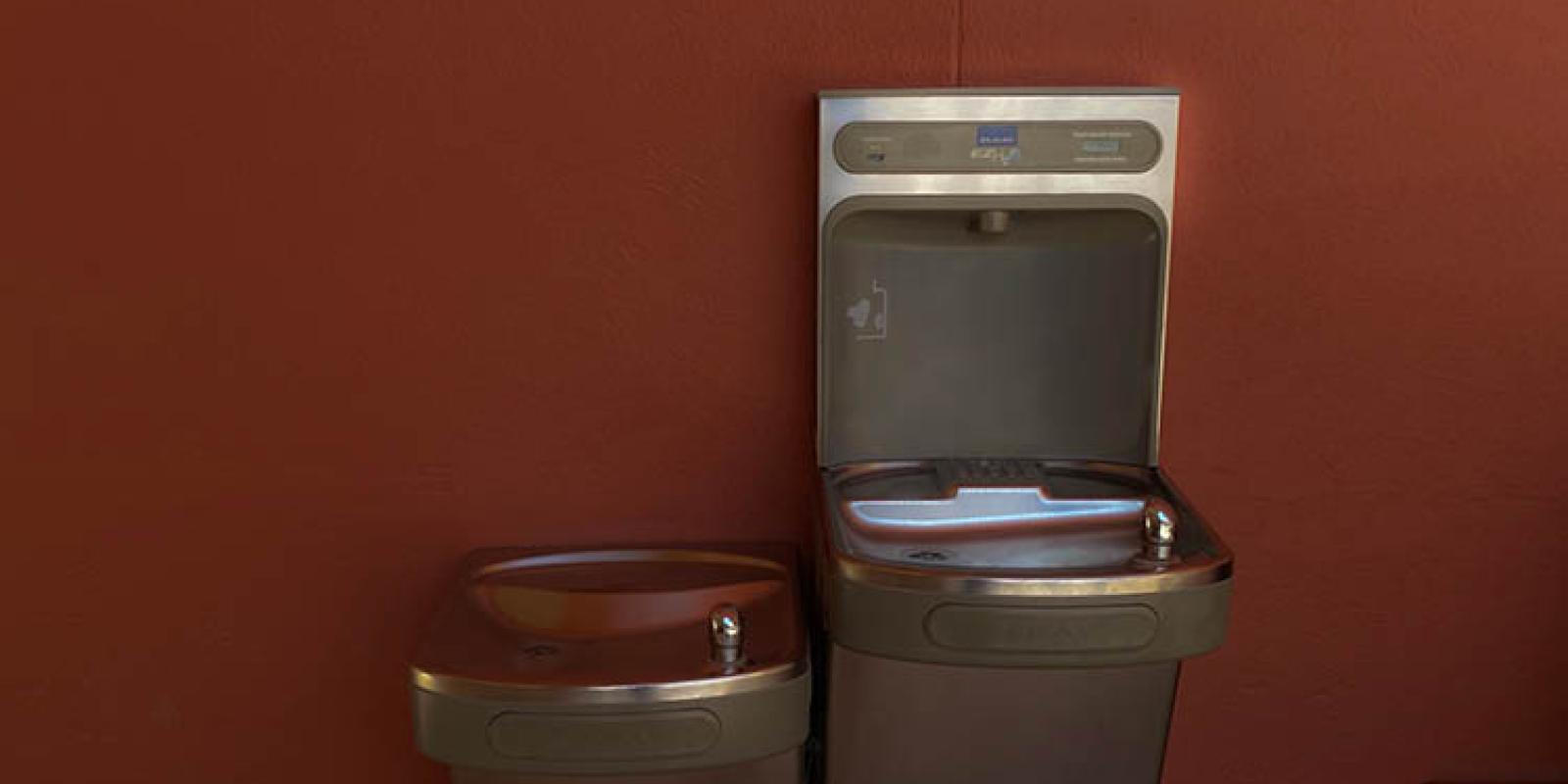
To promote sustainable water consumption and reduce single-use plastic waste, AUC has expanded and upgraded its network of filtered and chilled water refill stations across its campuses. The New Cairo Campus hosts 36 stations, the off-campus faculty residences have 3, and the Tahrir Square Campus features 23, with additional stations planned for other high-traffic areas to further improve accessibility and encourage the use of reusable bottles.
AUC also implements a range of water conservation measures to reduce domestic water consumption and support the responsible management of water resources.
More information on resources management can be checked here.
Treated Wastewater
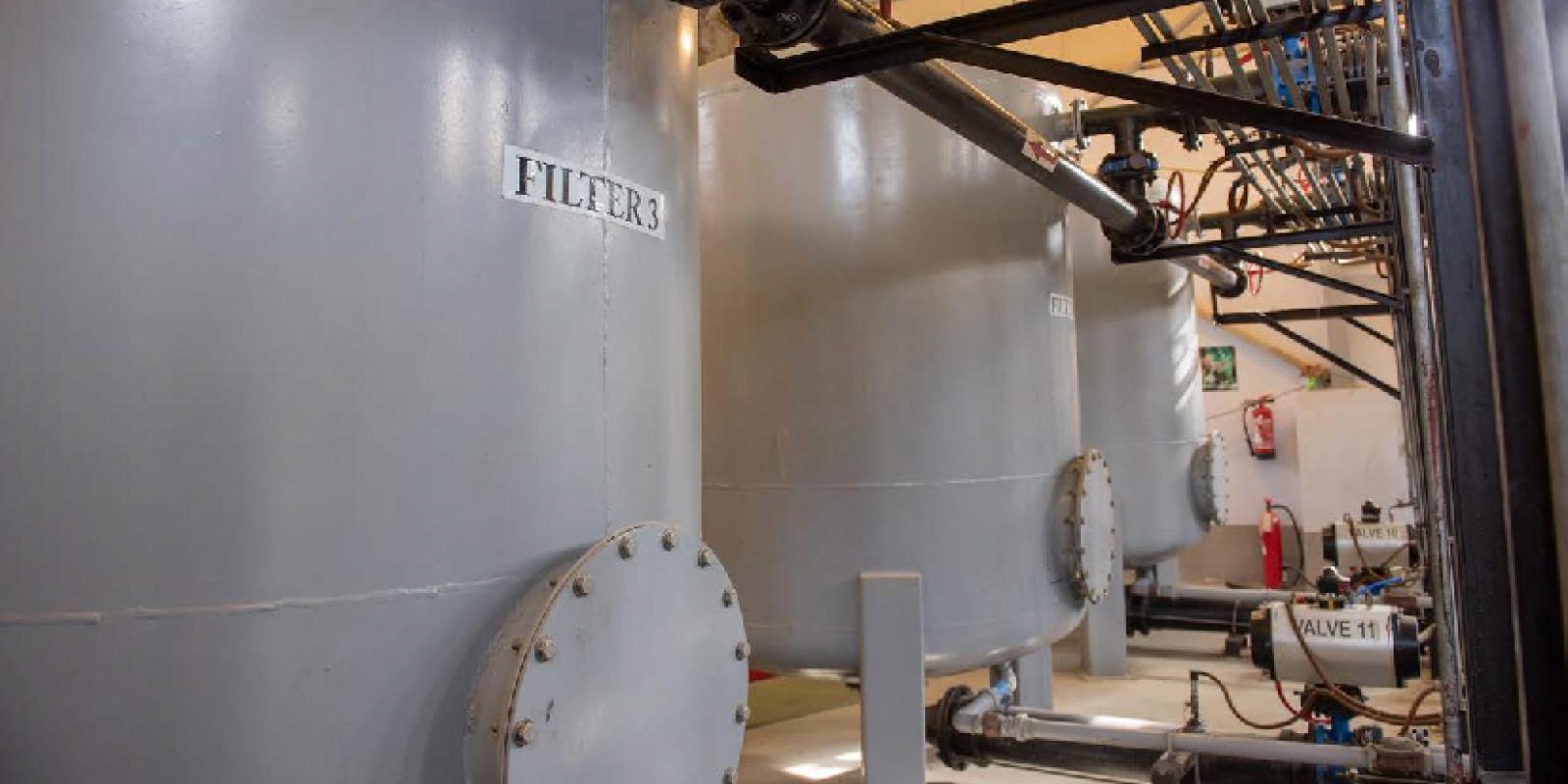
As part of its commitment to responsible water management, AUC uses treated wastewater to irrigate nearly 100% of its campus landscape. The University operates a treated wastewater plant that upgrades tertiary-treated water supplied by the New Cairo Municipality and stores it in two 1,000-cubic-meter tanks to meet peak irrigation demand. Combined with drip irrigation and humidity-based controls, this system maximizes water efficiency, conserves potable water, and supports AUC’s long-term sustainability goals.
Waste Recycling
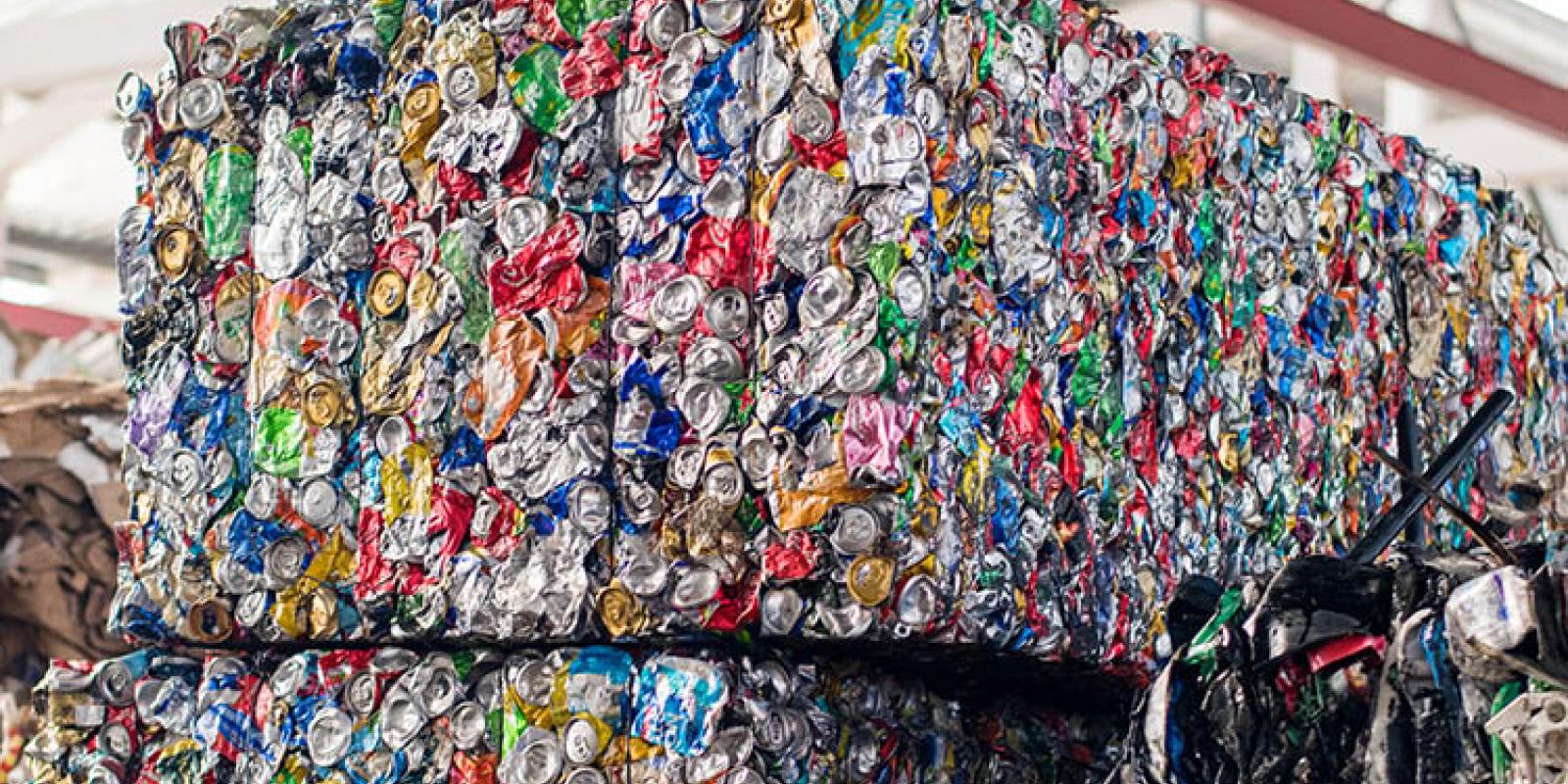
Daily campus activities generate diverse waste streams, from food packaging and disposable containers to paper and general waste. To minimize their environmental impact, AUC promotes responsible waste sorting and resource management across its campuses. The University has installed 48 outdoor three-bin sorting stations in high-traffic areas across the New Cairo Campus, with dedicated bins for plastics, cans, and general waste, making proper waste sorting more convenient for the campus community.
Jogging, Cycling and Pedestrian Paths
AUC’s plaza is a completely pedestrian zone. Biking and club carts are prohibited on the main plazas. Pedestrian paths campus-wide are designed for safety and convenience, and are provided with disabled–friendly features, such as ramps and handrails for the safety of all pedestrians. Bike paths are around campus and end at bike racks/stations, where students can lock their bikes and continue on foot. Paths are also available for runners and joggers.

Sustainable Commuting
Carpooling
Carpooling helps reduce traffic congestion, air pollution and carbon emissions by enabling multiple commuters to share a single vehicle. To support this practice, AUC has designated reserved parking spaces in Parking Lot “G” near Gate 5 and Omar Mohsen Gate, as well as in Parking Lot “L” near Gate 2 and the Garden Entrance. This ongoing practice supports the University's commitment to reducing transportation-related emissions and promoting more sustainable commuting options. For more information, see AUC's 2023 statement and 2025 statement on reserved carpool parking.
Bus Service
The American University in Cairo (AUC) provides a comprehensive Bus Service for all members of the University community. Covering 13 routes, the service connects the New Cairo and Tahrir Square campuses with neighborhoods across the city.
Electric Vehicle (EV) Charging Stations Initiative
As part of AUC’s ongoing efforts to promote eco-friendly transportation, the University plans to install electric vehicle (EV) charging stations in parking areas included in the campus expansion. This initiative aims to accommodate the growing number of electric vehicles within the AUC community, reduce the University’s carbon footprint and enhance overall campus sustainability.
By providing accessible charging facilities, AUC encourages the use of electric vehicles and reinforces its leadership in sustainability and innovation.