Ramadan Around the World
Students at AUC share what their Ramadan traditions look like at home, and what they’re looking forward to during Ramadan here in Egypt.
AUC is home to students from around the world, many of whom celebrate Ramadan with traditions different from what is typical in Egypt. International students at AUC shared what their traditions look like at home and how they’re spending Ramadan here in Egypt.
Mustafa from Sudan
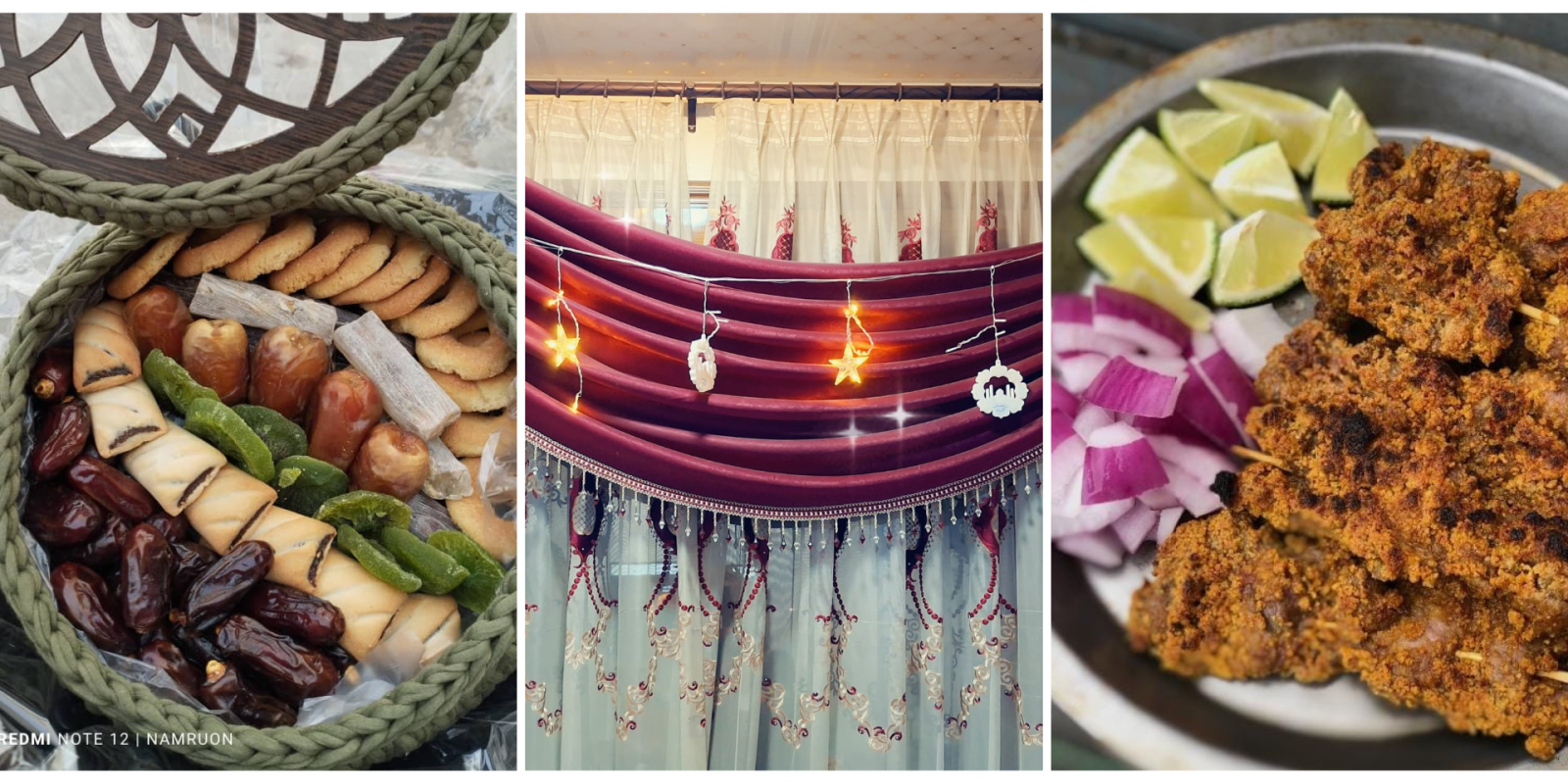
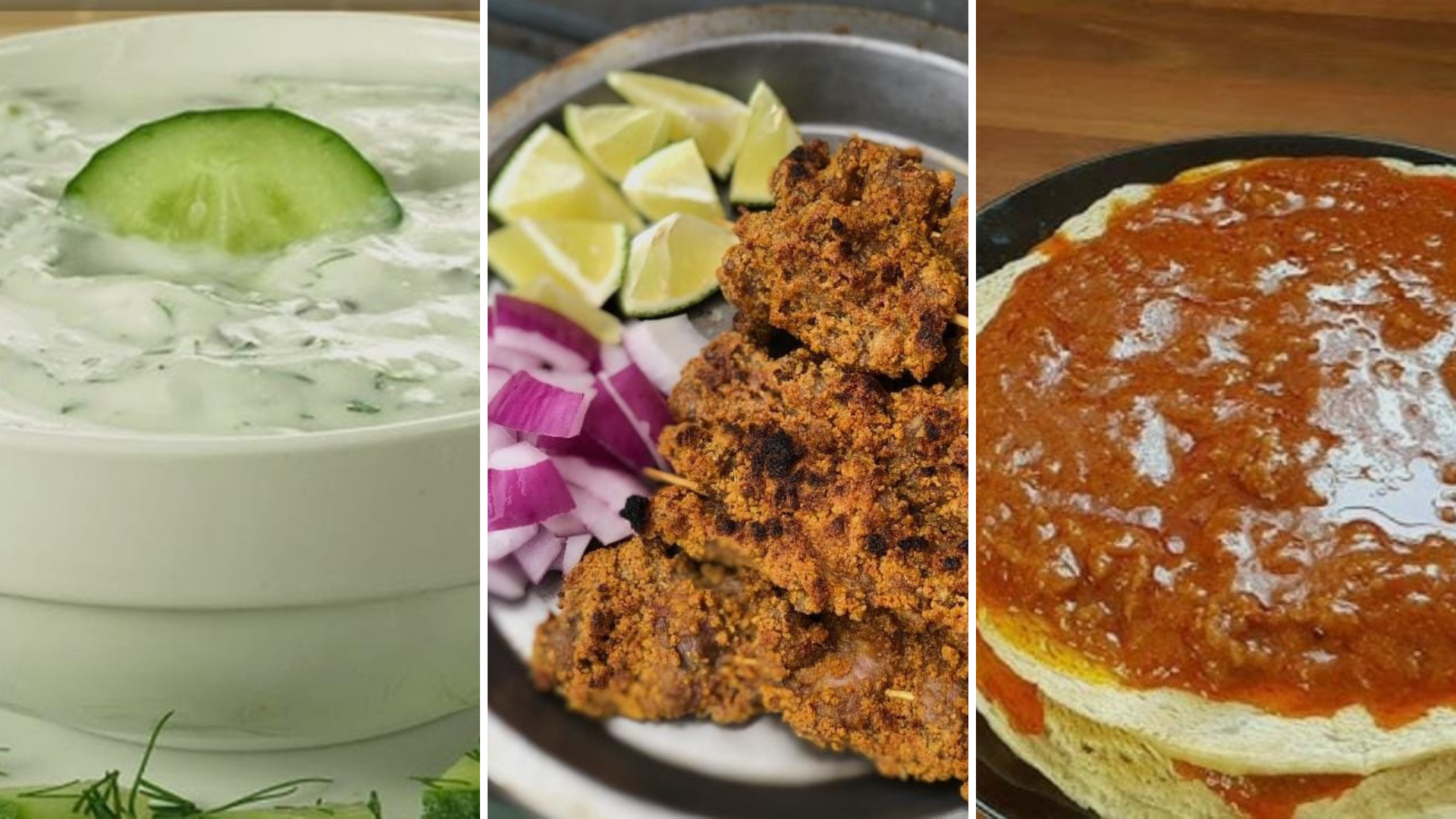
I am an electronics and communications engineering sophomore, originally from Sudan. In Sudan, people are far less active than in Egypt during Ramadan. They are very relaxed and spend lots of quality time with family, generally opting not to go out. Schools typically close during Ramadan, so it’s extra easy to stay home and spend time with friends and family. Of course, I also love to eat Sudanese dishes during Ramadan. I love molah tagila, a type of soup; dakoa salad, a green salad with peanut butter; roub salad, a salad made of yogurt with cucumbers; agashi, spicy charcoal meat; and abree, a sweet and sour drink made of sorghum. This year, I am looking forward to joining a Ramadan football league, one of my favorite traditions in Sudan.
Ahmed from Syria
I am a first-year public administration master’s student, originally from Syria. Ramadan in Syria isn’t too different from Egypt, but there are various foods and traditions I’m used to. I spend a lot of time with my community during Ramadan, volunteering in service activities such as cleaning mosques and feeding those in need. I love hearing the iftar cannon go off, which means it’s time to eat my favorite food — labaniyeh, a Syrian yogurt-based dish. Here in Egypt, I go to the Syrian store to get all the ingredients to break my fast. It’s challenging to get all the ingredients to make the foods from home, but after a long day of fasting, it’s worth it.
Nadine from the United States
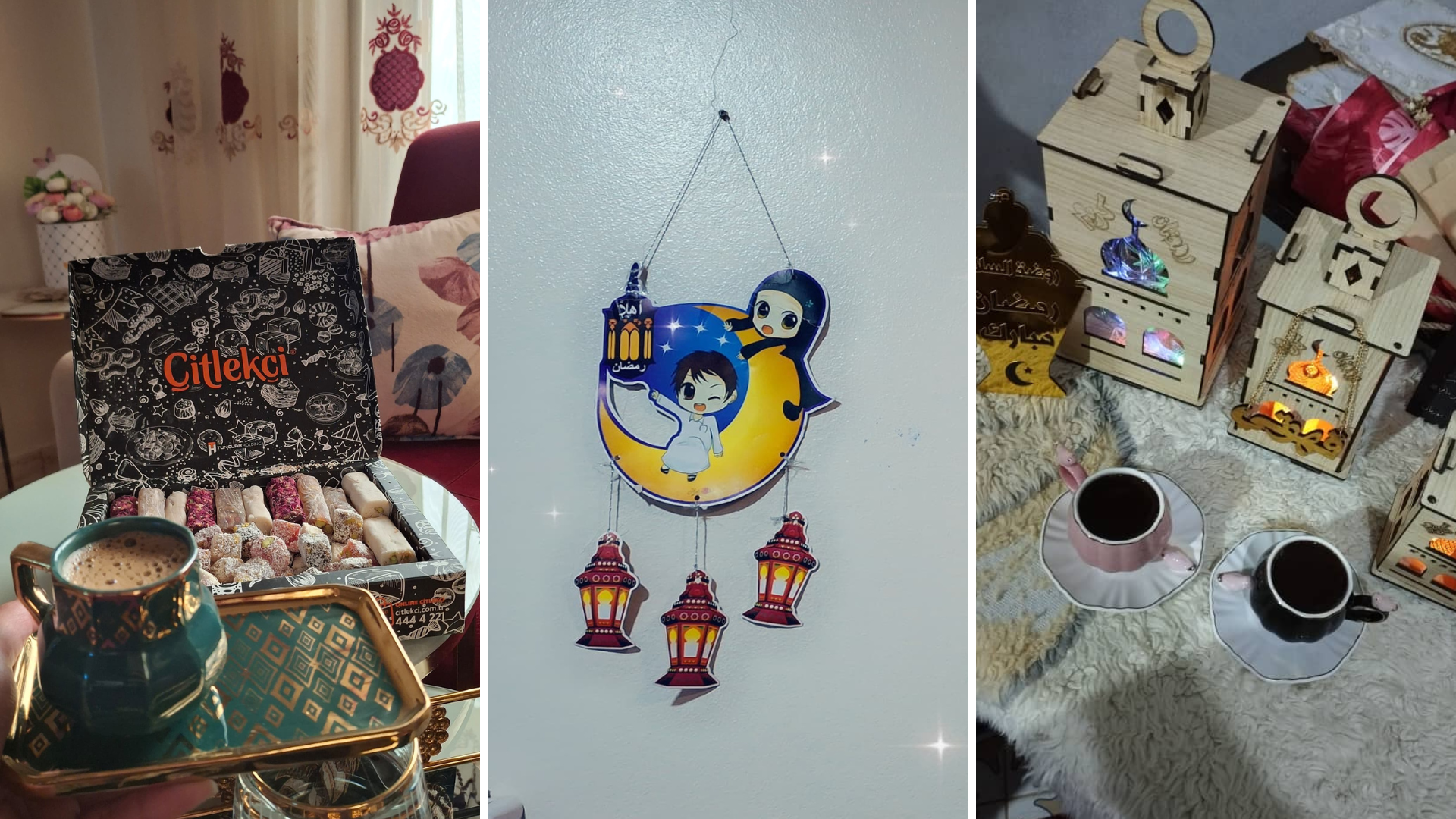
I am a half Egyptian, half Palestinian electrical engineering student on a year abroad from the University of California Merced. In the United States, I have a large iftar on the first day of Ramadan, when all my family comes together to celebrate. Ramadan in the United States doesn’t mean a lot of change to the schedule, and in fact, a lot of people don’t even know it’s Ramadan. Now in Egypt, I am enjoying the Ramadan decorations and am excited to eat my favorite Ramadan food: rice pudding.
Jena from the United States
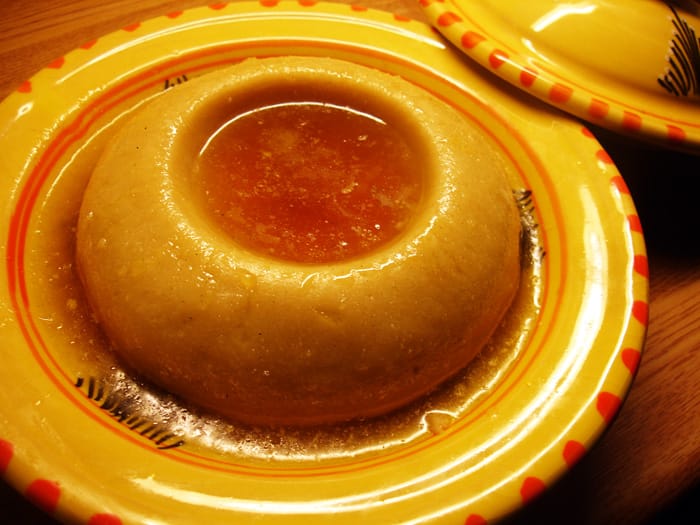
I am a Libyan-American biology freshman from Wisconsin. For me, the first day of Ramadan is the most significant. In the United States, I’d take it off school and cook all the traditional foods with my family. There isn’t a big Muslim community in my area, so it’s really important to spend time with my family. The mosque near me hosts lots of community-service events, which is nice. It’s a bit difficult to fast at school, where there are less accommodations than in Egypt. Fasting could be difficult during lunch periods, but the Muslim Student Association at my school made sure there was an area set aside for us. And it was all worth it to break my fast at the end of the day with my favorite Libyan dish, aseeda. I’m excited to get celebrate with a big community here in Egypt, and have a schedule that reflects Ramadan.
Rahil from India
I am a history and political science junior from India. Ramadan in Egypt looks rather different from Kashmir, where I’m originally from. Here, there are lots of lanterns, whereas I’m used to decorating with lights, flowers and garlands. There are lots of unique Ramadan traditions in Kashmir. At sunset, people distribute babri treysh (basil seeds soaked in water with sugar and milk), dates and cut-up fruits to people on the street. My favorite Ramadan food is kashmiri phirni, a sweet dish made with semolina and milk. My favorite tradition is a man called Sahar Khan. He goes around to neighbourhoods, playing his drum and screaming at the top of his voice that it is sahar (sohour - pre-dawn meal) time. Ever since I was very young, this has been a very entertaining and precious aspect of Ramadan for me.
