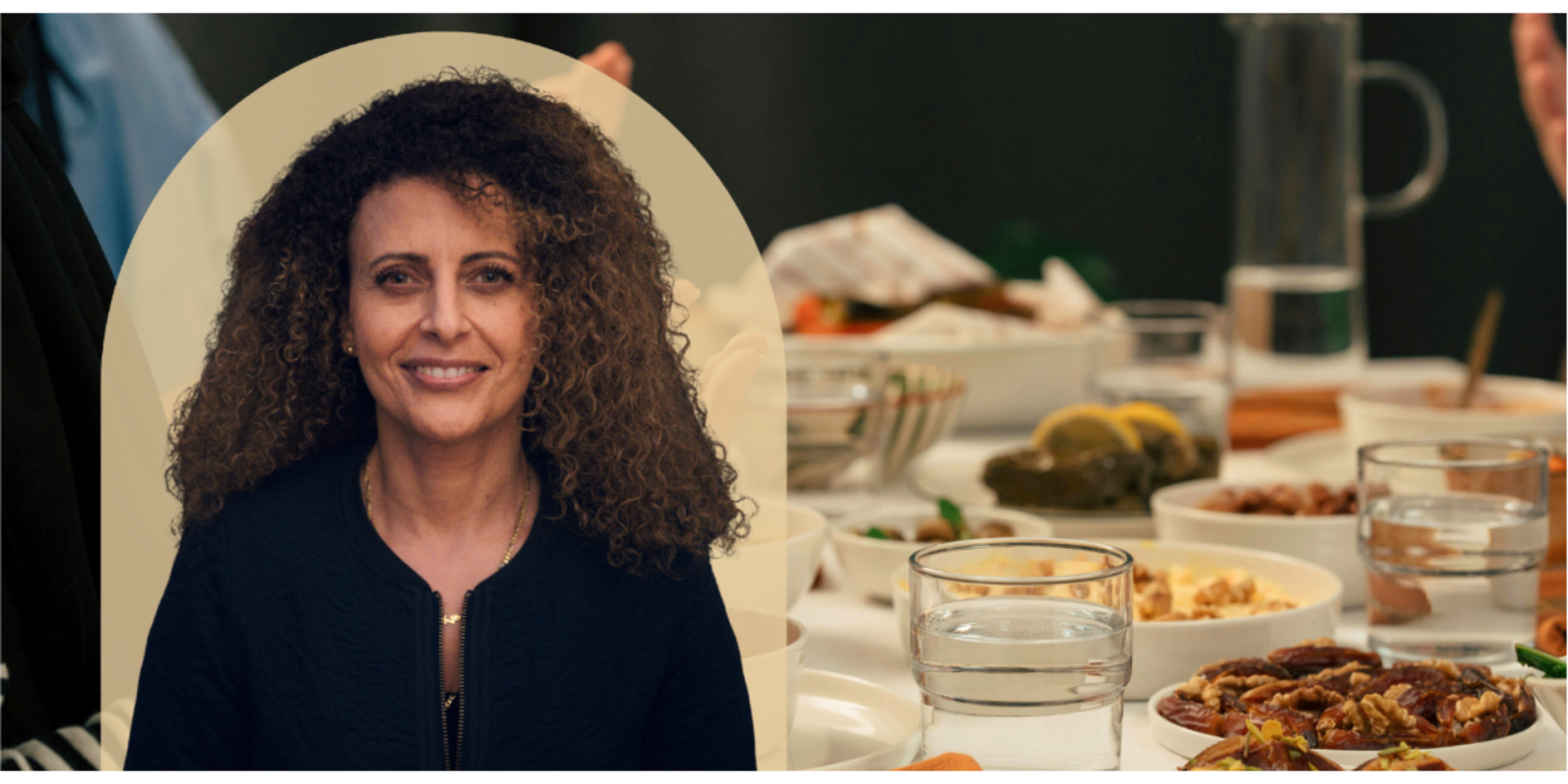
AUC’s Tips for a Healthy Fast
With Ramadan and Lent falling on the same month this year, we asked an AUC nutritionist the best tips for a healthy fast.
With Ramadan and Lent falling on the same month this year, many members of the AUC community will spend the next few weeks fasting. As students, faculty and staff, knowing the best practices for fasting can be the difference between a failed test or an excellent presentation.
News@AUC sat down with Fayrouz Sakr-Ashour, assistant professor in the Institute of Global Health and Human Ecology, to ask her for some tips and tricks on the best methods for keeping healthy while fasting.
Fasting for Lent and Ramadan started one day apart this year, meaning both Christian and Muslim students will fast at the same time. For Christians, they can only eat one full meal a day on Ash Wednesday and Good Friday, and for the time in between, have certain days they must abstain from meat. For Muslims, they can only eat from sundown to sunrise the entire month of Ramadan. “Fasting is a way of changing food intake,” Sakr-Ashour described. “It can be for religious purposes or for health, like through intermittent fasting. Either way, it's very important to use healthy eating practices while fasting.”
Sakr-Ashour is a physician by trade who became interested in nutrition while working in a hospital and realizing how impactful diet was on patient health. Since becoming a faculty member at AUC, she has researched nutrition for vulnerable populations and nutritional food environments. As AUC community members embark on their fast, Sakr-Ashour shared the most important tips to have a healthy and meaningful fast:
- Make sure you have quality food when you break your fast.
Fasting makes it more important than ever to have high-quality foods in your intake, as your body is already in a more fragile state. For both Christians and Muslims, this means focusing on non-processed, balanced foods that will fuel your body.
- Break your fast with fluids and something to raise your blood sugar.
While many might want to jump right into a big feast, this — after fasting all day — could risk making you sick or putting you in a food coma. It's best to start with something small, such as a date, which has sugar and fiber. After this, you’ll want to pause as your blood glucose levels rise. From Muslims, this is normally the time for prayer, showing how tradition has evolved to replicate what is most healthy for the body.
- For iftar (fast-breaking meal), focus on protein, vegetables and fiber.
These three elements will give you the most balanced meal post-fast. It is best to avoid refined carbohydrates like white bread, rice and pasta. When we’re hungry, our hunger hormone ghrelin is high, which leads us to make bad decisions and be less able to control our portions. For Christians who abstain from eating meat, it is still important to get protein from other sources, such as through fish or lentils.
For student athletes, protein is especially important. Without a balanced meal post-fast, athletes risk not fully recuperating their muscle glycogen stores. Inadequate protein intake over several days of fasting improperly can contribute to muscle loss, especially in athletes training.
- For sohour (pre-dawn meal), continue to emphasize protein.
Limit excessive coffee, which can increase fluid loss and disturb sleep. Instead focus on food that both hydrates and provides protein, such as yogurt or a glass of milk, and complex carbs like foul, hummus, whole wheat bread. This will help you sustain your body glycogen levels for longer and stop your blood sugar levels from fluctuating in an unhealthy way.
- Don’t forget to hydrate.
Hydration is incredibly important to remaining healthy while fasting. Emphasize foods that will hydrate you as well as provide protein, such as soup. Don’t forget to continue drinking water throughout the evening, so your body does not get dehydrated during the day.
- Don’t completely cut out carbohydrates.
Cutting out carbohydrates also comes with risks in terms of replenishing muscle glycogen stores. Make sure your meals are balanced, high quality and satiate not just your hunger sensors, but also your body's individual needs.
- If you are going to eat refined sugars, do it in moderation.
Refined sugars should be eaten sporadically during fasting, as you easily risk overeating. Focus first on consuming protein and vegetables so you’re not making bad decisions while hungry.
Without proper fast techniques, you risk being fatigued, overeating and not properly allocating your energy. Weight gain and weight loss are both possible when eating patterns are unregulated. It’s important to eat balanced, high-quality foods to avoid the health instability that can come with fasting.
As fasting is an important practice across religions, it is important that all participants are thoughtful about the way they fast in order for it to be the most impactful. “I think the discipline and meditation associated with fasting, paired with the intake of proper nutrition, make the experience more holistically positive,” Sakr-Ashour said. “Failing to fast properly can break down the religious experience. Caring for your health means you can focus on what the practice means, across religions.”
