Home page
ع Search AUC

Alumna Astronaut Sara Sabry Becomes First Egyptian to Reach Space
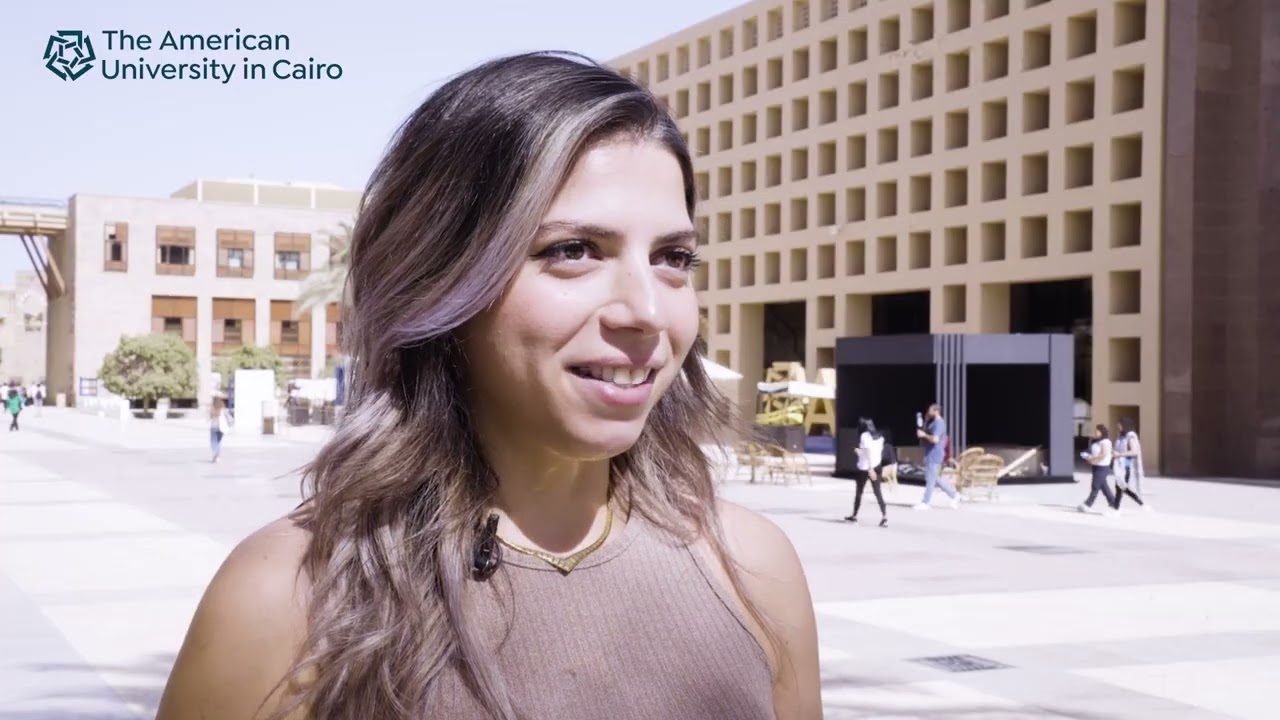
Abigail Flynn
November 14, 2022
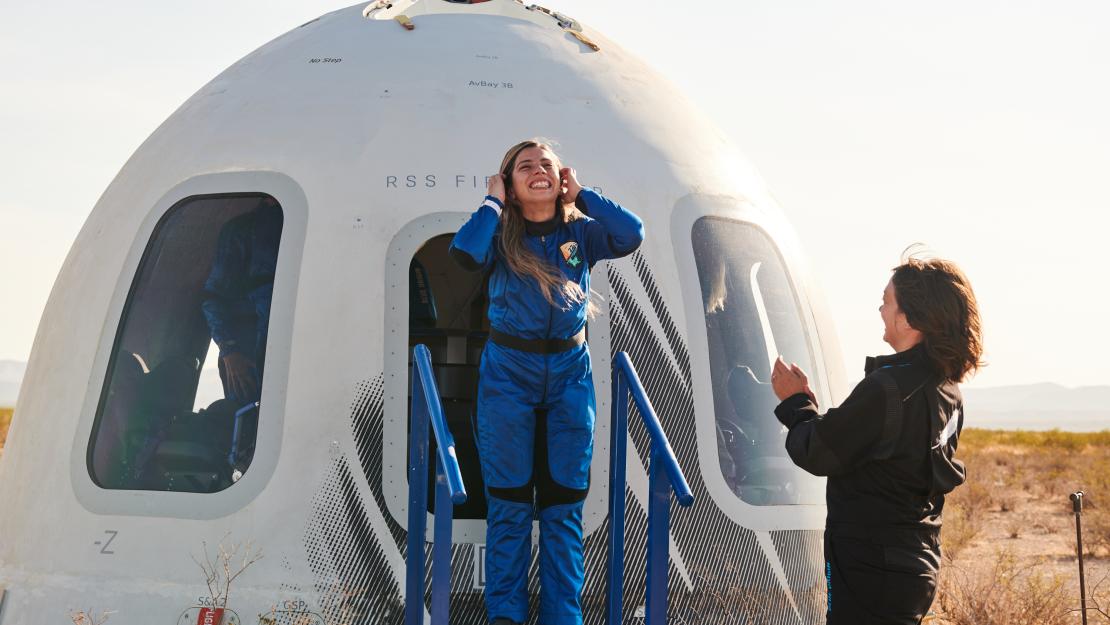
Sara Sabry Emerges From capsule after visiting space
Photo Courtesy of Blue Origin Media

T-Minus 3…2…1… Prepare for liftoff with Sara Sabry ‘16, who became the first Egyptian Astronaut after flying to space on Blue Origin’s New Shepard rocket in August this year. This historical flight also makes her the first Arab woman and first African woman to launch into the obsidian sky, despite having not reached her 30th birthday.
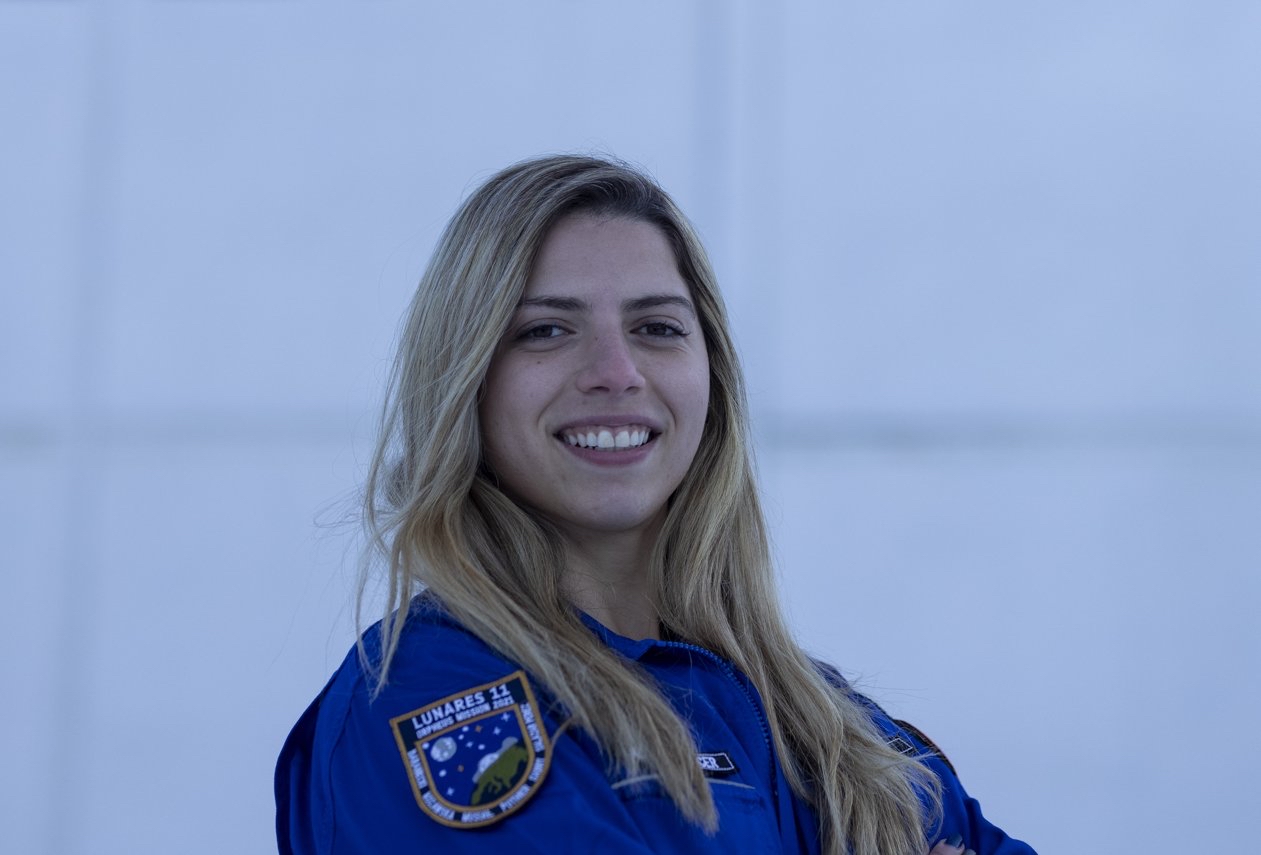
Sara sabry
Sara Sabry is the first Egyptian to go to space
​​​Photo courtesy of Blue Origin Media

Sabry’s trip to the stars allowed her to experience the “Overview Effect,” which is a shift in perspective that happens to astronauts when they leave the Earth and are able to see the planet from afar. “Seeing Earth from space was the most profound experience of my life,” Sabry recalls, describing the planet standing out brightly against the “vast darkness of space.” She continued: “I had seen pictures of Earth from space before, but seeing it in person was completely different. It totally changed how I view the world, my priorities, and most of all, the scale of everything.”

Up Up and Away

As Sabry saw Earth floating in the vastness of space for the first time, she recalls feeling confused. “I think the human brain struggles to process such a view in real life - and if you think about it, it makes sense because we have not biologically evolved to see it with our own eyes,” she said. 

When asked about pre-takeoff nerves, Sabry responded, “To be honest, I wasn’t afraid when I was in my seat at takeoff. Sitting on top of a rocket for the first time, I felt excited, ready, and calm. Preparation is key, but in the back of my mind, I also felt like all of Egypt was coming with me.”

Sabry says the experience made her realize that the idea that there is “Earth” as a separate entity from “space” is flawed. “As you lift off, there’s a reflection of fire on the window, you feel the rocket move beneath you, you watch the sky turn from blue to purple to black and suddenly, you’re in space,” Sabry states. “But you didn't really leave anything. Space and Earth, it’s all interconnected.”

Her goal is to extend this opportunity to as many people as possible. “How am I one of only 621 people from all of humanity to have seen this?” Sabry said, describing her emotions upon returning to Earth. “The first thing I said when I came back to Earth was that everyone has to experience this — the universe belongs to all of us.”

Preparing to Launch

With a bachelor’s from AUC in mechanical engineering and a master’s in biomedical engineering from Politecnico di Milano, Sabry was selected among 7000 applicants from all over the world for the citizen astronaut program by Space for Humanity, an organization which offers spaceflights to expand the horizons of leaders who show potential for enacting global change. The program trained Sabry for the experience, highlighting the potential physical dangers and psychological stressors. 

“They trained me mentally for this. I knew it wasn’t without risk; sitting on a rocket is inherently dangerous, so the crew members and I needed to accept any and all potential outcomes,” she explains.

Sabry’s training as an astronaut began long before Space for Humanity, however. In 2021 she became Egypt’s first female analog astronaut after a two-week moon mission simulation. She has also completed the IIAS astronaut training program at FloridaTech, making her the first Egyptian woman qualified to conduct research in suborbital space. Initially finding it difficult to get her foot in the door of the space world, Sabry clocked in several hours before and after her full-time job in Berlin to pursue her dream. “I would wake up at 4 am, get my workout done by 5:30 am, work on my bioastronautics research from 6 am to 9 am and then go to work. At 6 pm, I would have dinner and then quickly jump on international calls for a couple of hours before heading to bed at 8 pm. This lifestyle is not for everyone, but it was necessary. Founding a company while holding a full-time job is not easy, but if you believe in the cause, anything is possible.”

Wanting to remove the barriers that she herself experienced, Sabry founded Deep Space Initiative, a non-profit company that aims to increase accessibility in the space field by providing opportunities in research and education.  

In addition to being an astronaut, engineer, CEO and founder, Sabry is currently conducting her PhD research on planetary spacesuits at the University of North Dakota and is co-founder of The Egyptian Space Agency's Ambassador program. Since coming back from space, Sabry has also been working on projects that could potentially have large scale impact in Egypt, which she will be announcing soon. 

Glowing with passion for paving the way for future space explorers, she said: “It’s not about being the first one in space, it’s about opening the door for others to follow,” Sabry explains. “We need more people with different perspectives, training and backgrounds to work on the issues that are stopping us from becoming a multi-planetary species. That’s why I’m committed to making this field more accessible. I hope people can finally see themselves represented in space, and know that no matter where they are from, they belong here too.”

Share

Hassan Azzazy Receives Multiple Awards and Recognitions for Biochemistry Research

Abigail Flynn
November 9, 2022
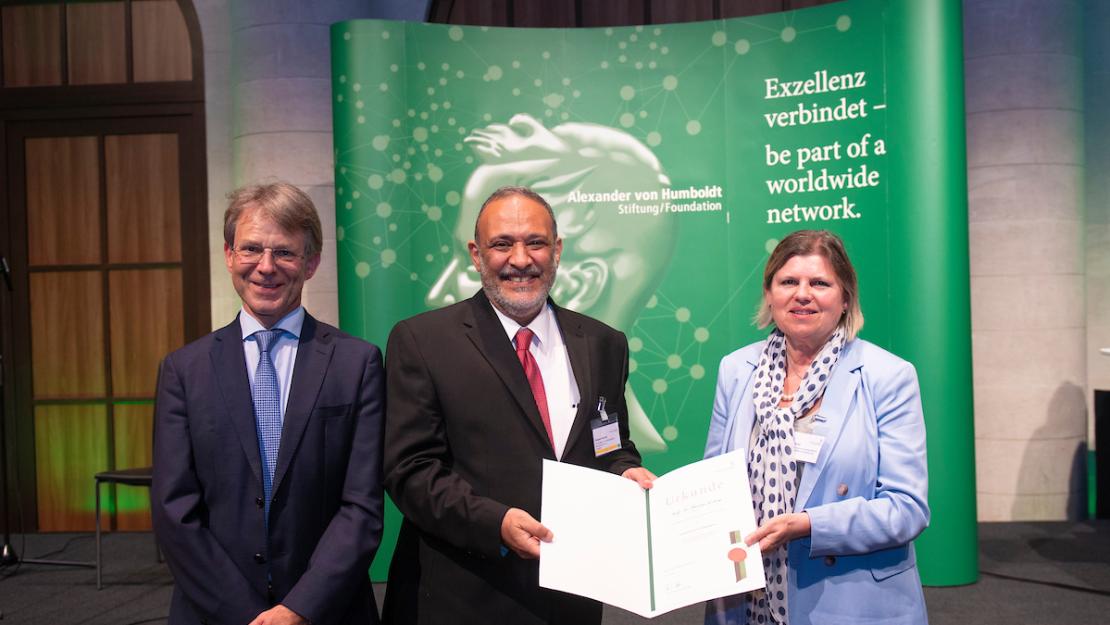
Azzazy receiving Humboldt Award
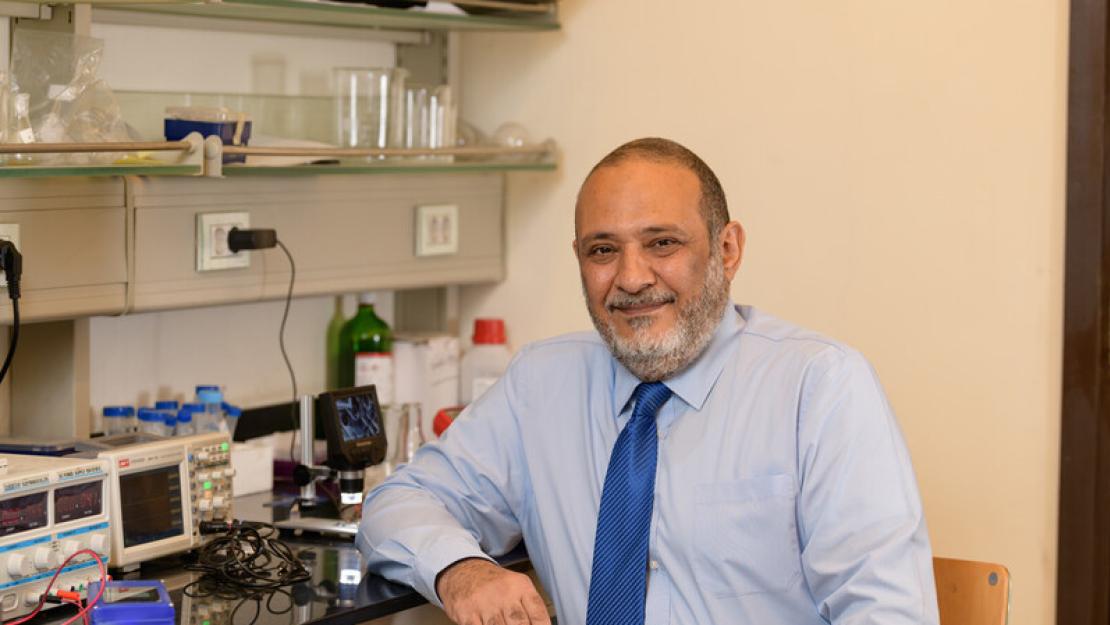
Hassan Azzazy

Hassan Azzazy, distinguished University professor and chair of the Department of Chemistry, has been honored for his extensive work in the field of biochemistry with the Distinguished Research Award from the Alexander von Humboldt Foundation and a Doctor of Science from Alexandria University, in addition to being elected chair of the National Committee of Biochemistry and Molecular Biology of the Academy of Scientific Research and Technology in Egypt. 

The highly prestigious award from the Alexander von Humboldt Foundation includes a one-year invitation and grant to conduct research at the Leibniz Institute for Photonic Technologies in Jena, Germany. Azzazy’s research addresses a wide array of global health and environmental challenges by creating diagnostic tests and biosensors for disease detection, developing new medicines, designing chemosensors for monitoring heavy metals and improving wound care. 

Azzazy was also awarded a Doctor of Science from his alma mater, Alexandria University, in recognition of his overall research productivity and scientific contributions made since he received his PhD from the University of North Texas Health Science Center in biomedical sciences.

In his position as chair of the National Committee of Biochemistry and Molecular Biology of the Academy of Scientific Research and Technology in Egypt, Azzazy works with a committee to lead national efforts in developing research and teaching activities in biochemistry, molecular biology and related disciplines. 

He also coordinates collaborations with similar regional and international societies, such as a recent symposium on “drug delivery nanocarriers,” which was attended by 200 participants from research institutions from all over Egypt.

Share

Forging Futures: PhD Students' Eco-Friendly Research on Concrete and Green Hydrogen

Abigail Flynn
October 24, 2022
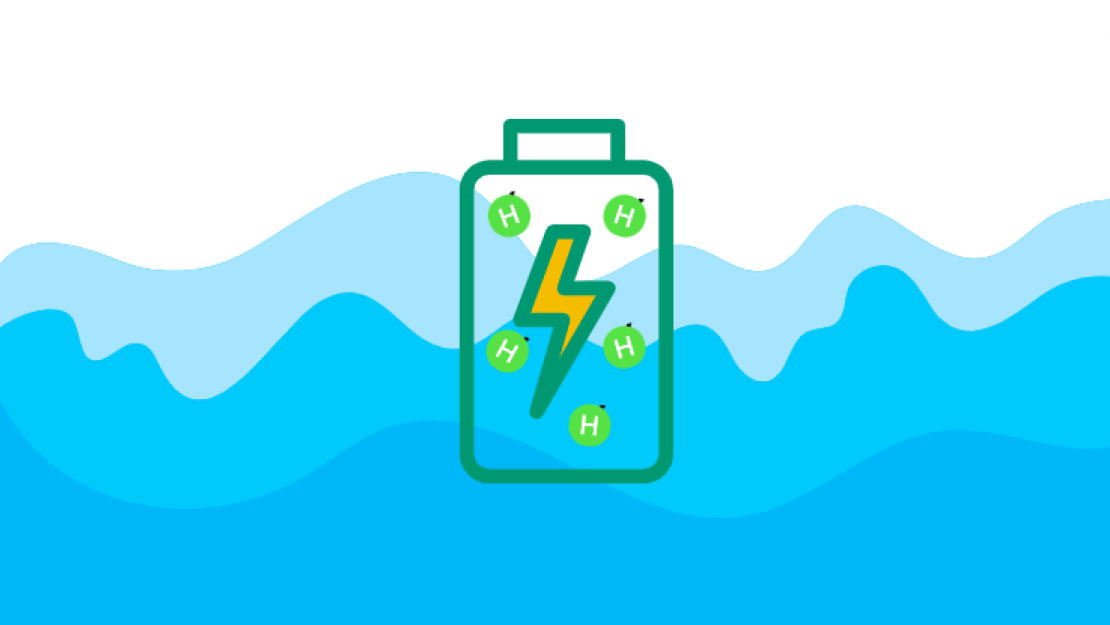
Visual representation of green hydrogen

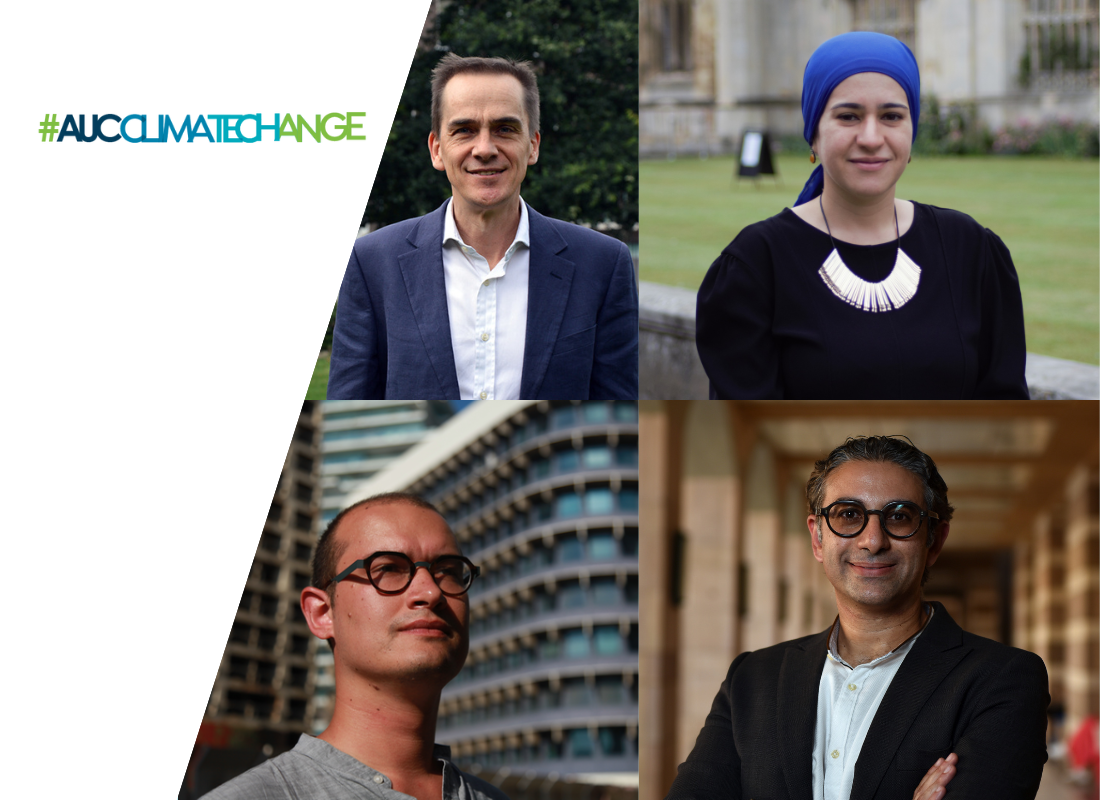
Whether in the lab synthesizing new formulas for concrete, tackling the challenges of renewable energy or igniting a passion for learning in their students, PhD students Heba Zaky and Rawnaa Yassin are fostering the values of AUC’s academic mission. 

Zaky, a graduate student in the Department of Construction and Engineering, is conducting her PhD research on a new type of concrete that aims to minimize construction’s carbon footprint.

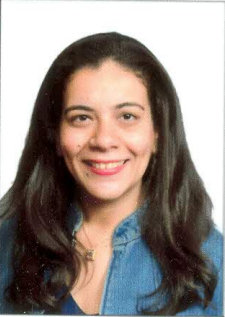
Heba Zaky“It’s a lot of experimental work,” Zaky states. “My research is actually split between two departments. In the chemistry department, I test how to synthesize the material for the concrete. In the construction department, I study how viable it is for building.”
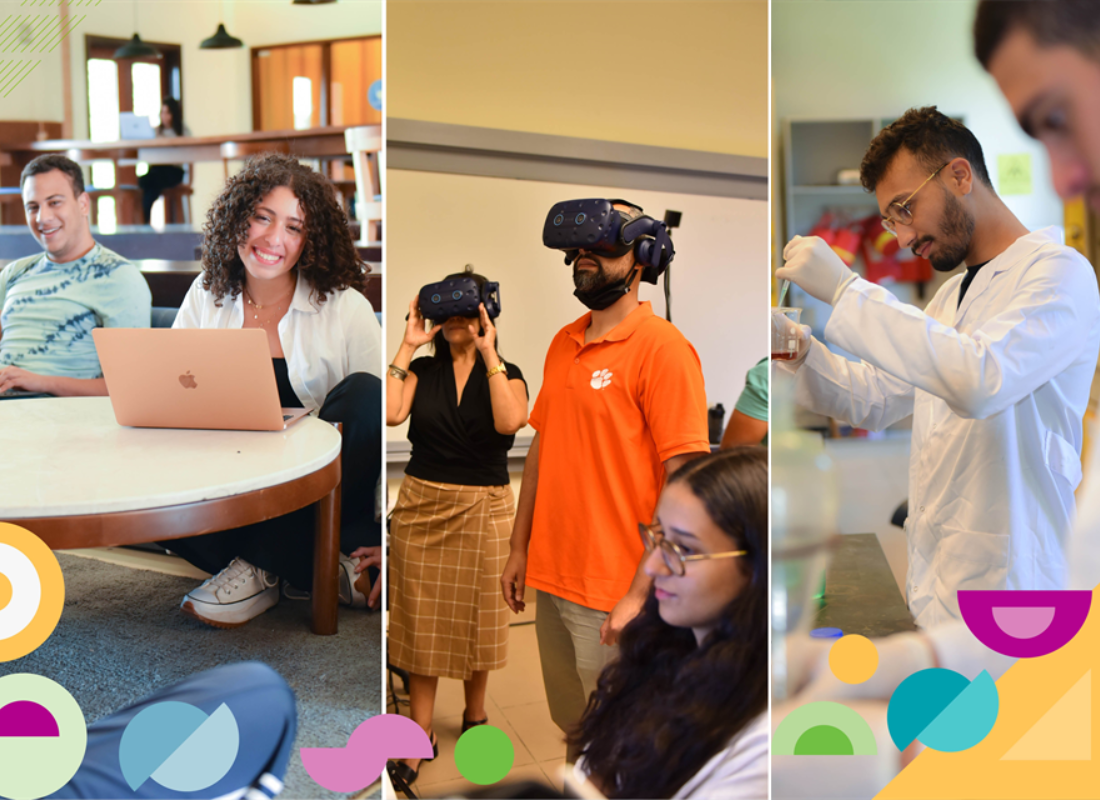
With this interdisciplinary approach, Zaky aims to create a new type of concrete formula that produces less carbon dioxide. A major component of concrete is cement, which contains calcium carbonate in its traditional formula. When calcium carbonate decomposes, it emits carbon dioxide. There has been an international movement to decrease carbon dioxide emissions due to its impact on the environment, which is a major component of AUC’s Climate Change Initiative. 

“Instead of calcium carbonate, my formula uses a silica base,” Zaky explains. “So when it decomposes, it won’t produce carbon dioxide, making it a more environmentally friendly choice.” 

Zaky began exploring eco-friendly engineering while pursuing a Master’s degree at AUC. While she started with a more management-focused approach, she quickly found her passion for experimenting with construction materials.

“That’s what inspired me to look for this totally new type of material that hasn’t been explored yet,” Zaky recalls. “This material has been researched in different ways and countries before, but not how to synthesize it or use it in concrete.” 

After completing her PhD, Zaky hopes to continue her research, explaining that there are many areas left to explore. While in her graduate study program, Zaky has also had the chance to explore her passion for teaching through the new PhD Teacher Training Program. This program, which began last spring as a collaboration between the Center for Learning and Teaching, Office of Graduate Studies and the School of Science and Engineering, allows PhD students to teach their own classes while conducting their graduate research.  

Zaky was particularly interested in working with (CLT) to develop the skills that would push her from being a TA to an instructor. “The center gave us a new perspective about teaching,” Zaky states. “It’s not just about the information. It's about how you can convey that information, how you make students believe that they belong to the classroom and establish a real connection with them.”

Rawnaa Yassin

Yassin, who researches renewable energy for her PhD, is also a member of the program’s first cohort and is enjoying the challenge of leading classes herself after being a teaching assistant (TA) during her Master’s program. This program offers Yassin the ability to follow her passion for teaching while continuing to conduct her research on green hydrogen, a form of renewable energy.

“Green hydrogen is simply hydrogen produced from renewable sources of energy,” Yassin explains. “One way is through electrolysis, which uses electricity to split water molecules, H2O, into their individual hydrogen and oxygen components. Using water and electricity to produce hydrogen is more eco-friendly than using natural gas, coal or oil. My goal is to make green hydrogen less expensive to produce.”

While Yassin enjoyed her Master’s research, she also wanted the opportunity to be a stand-alone instructor by crafting her own lessons and facilitating her own classes.

“This program is totally different from being a TA,” Yassin says. “PhD students feel they aren’t as young as TA’s anymore, but they still aren’t professors. When I heard about the teaching program, I thought, ‘This is what I’m looking for, it sounds like a perfect fit.’ I was right, this program equipped me with all the new and innovative ways of effective teaching, it was a really unique experience.

Yassin and Zaky are great examples of the AUC’s academic mission to provide excellent education for their students by training stellar instructors and important contributors to the climate change initiative through their research on sustainability. 

Share

Shining a Light on Water Pollutants

Abigail Flynn
October 16, 2022
Image of E Coli

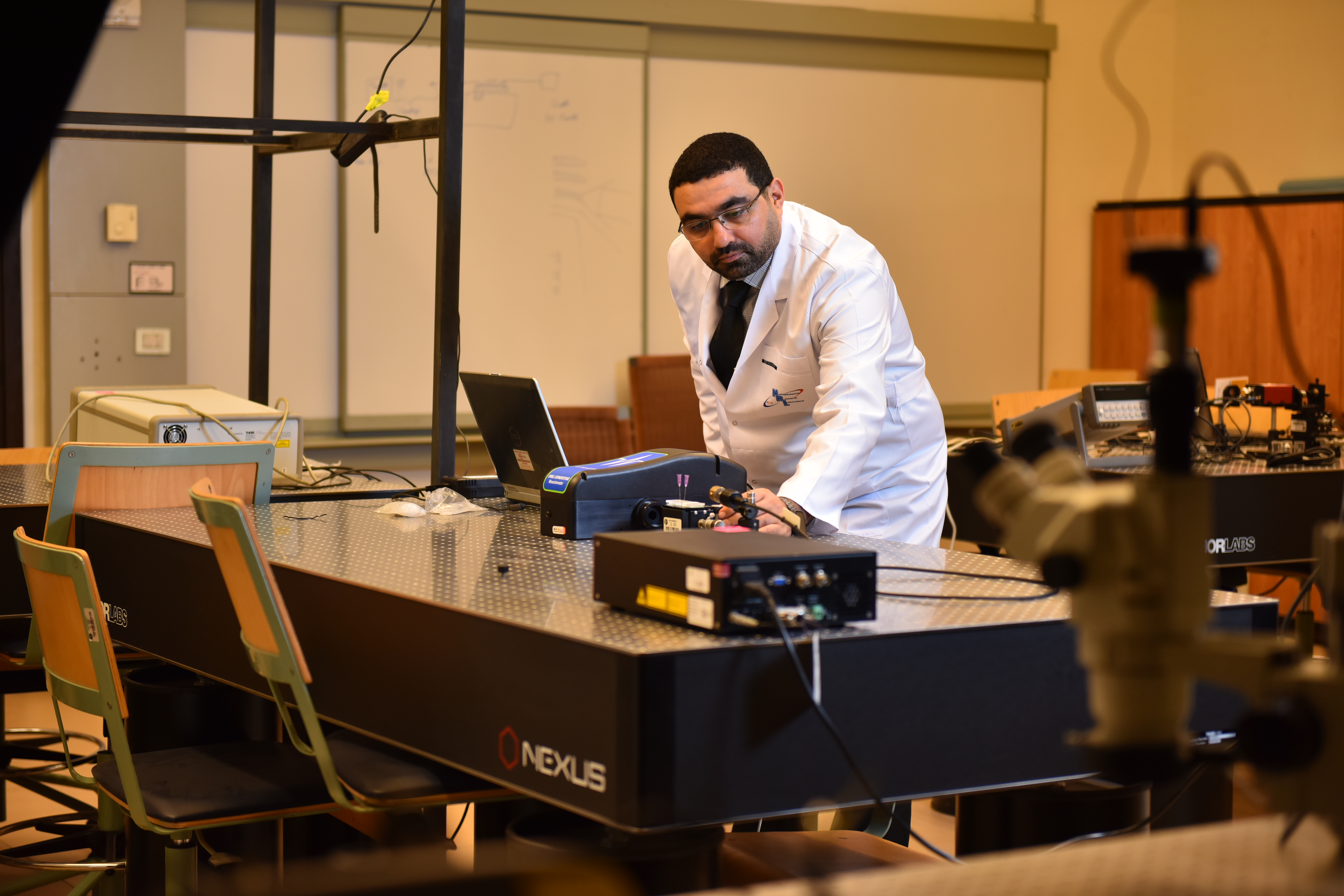
Did you know that every type of bacteria has a unique light signature? Mohamed Swillam, professor and chair of the Department of Physics, is using this fact to identify different types of pathogens in Egypt’s water supply with new remote sensors designed by the professor and his team.

“We’re making portable sensors that can detect different bacteria in the water, like E. Coli and salmonella,” Swillam explains. “They can also report on the presence of heavy metals or water salinity.”

With a grant from the Conservation, Food and Health Foundation in the US, Swillam and his team are creating sensors that are designed to float in bodies of water, like rivers or canals, and transmit their reports wirelessly to a nearby data station. These reports will be analyzed in real time, providing a live map of contamination areas throughout the country. Such a map could help to improve food security by monitoring water quality and consequently, protecting crops. In the future, this data will be used to develop an artificial intelligence model capable of automatically identifying the best conditions for growth.

“The sensors can record salt concentration and pollutants in the water and transmit that information to farmers,” Swillam explains. “Then, the farmers can compare that to how the crops are either growing or dying and make necessary adjustments.”

In Action

The sensors develop the reports by taking a water sample, shining a light through the bacteria in the water and measuring how the intensity of the light changes. Each bacterium has a distinctive effect on light intensity, like a personal signature or a fingerprint, that sets it apart from other bacteria.

Ideally, each sensor will be fastened to a 3d-printed miniature boat which also houses a solar panel on top — used for powering the sensor. A small antenna will transmit the report and the boat’s location to a central data station. In order to get as much data as possible, Swillam hopes to release thousands of boats throughout both Egypt and Africa as a whole. 

Improving Environmental and Physical Health

Mohamed SwillamMoving forward, Swillam and his team, which includes students of biology, pharmacology, engineering and physics through SSE Dean’s research initiative, are hoping to develop the sensor in a way that can be used in all sorts of contexts, such as identifying illnesses in humans. He is currently working with funding from Pandemic Tech and the Academy of Scientific Research in Egypt to use this sensor technology to detect COVID-19. He is also working with AUC’s Department of Biology to identify the light signature of ovarian cancer in human urine samples. If the light signature of a virus or disease can be classified, then Swillam can adjust the sensor to identify it.
The sensor can also be used to identify emissions from cars in Egypt. With an Information Technology Academia Collaboration grant from Egypt’s Information Technology Industry Development Agency, the team is designing a small laser sensor that can identify pollutants and, similar to the water pollution sensor, create a real-time map of air pollution in the city. This will help compensate for the lack of widespread emissions testing of cars in the country.

Through his research on combating air pollution, water pollution and environmental health, Swillam’s work contributes to AUC’s Climate Change Initiative. In a ranking of scholarly output for the last year, Swillam placed second in Egypt in the field of electronics and optical materials, third in material engineering and fourth in condensed matter physics. A prolific researcher, his recent publication on technology that can sense all green-house related gasses was chosen as the editor’s choice in Nature.  

Share