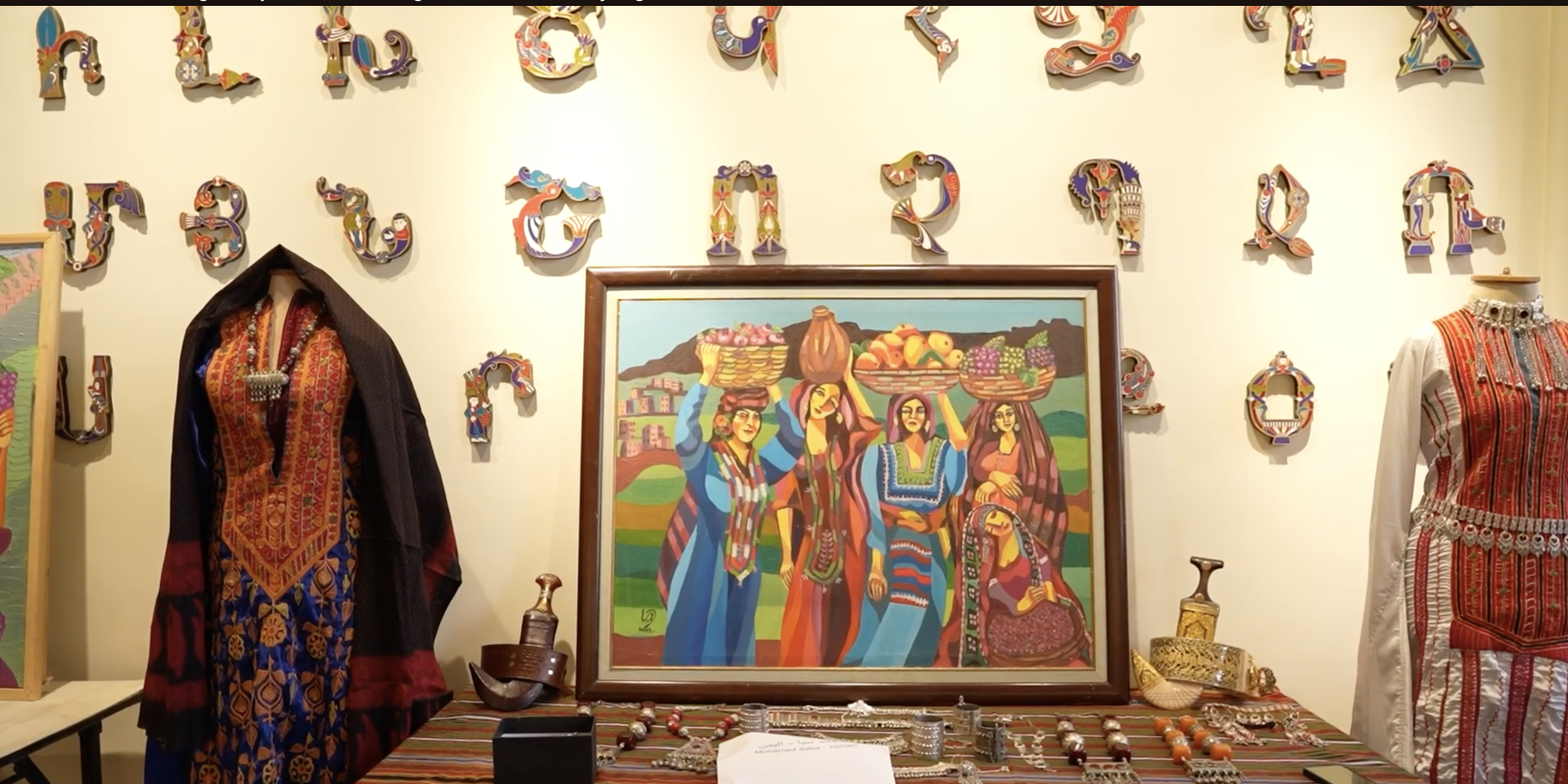
Amira Ahmed Traces Migrants’ Past, Present and Future
Amira Ahmed leads the Traces of Mobility project, documenting the memories of migrants from around the world.
Imagine having to flee your country in the middle of the night. What would you take with you? What would you leave behind? One thing you can never leave behind is your memories. Paradoxically, those memories are one of the hardest things to share: they leave no trace.
Amira Ahmed (MA ’04), adjunct assistant professor and research fellow in the Department of Sociology, Egyptology and Anthropology and the Cynthia Nelson Institute of Gender and Women Studies, is working to change not only how we archive migrant memory, but also how we approach refugee research as a whole. Her research examines cultural heritage-making practices along migration routes from Africa to Europe, focusing on the political agency and relationalities of migrants, refugees and their advocates. The project is called Traces of Mobility, Violence and Solidarity: Reconceptualizing Cultural Heritage Through the Lens of Migration and is multi-site collaborative research represented by AUC, Milan University in Italy, London Gold-Smith University, and Jendouba University in Tunisia.
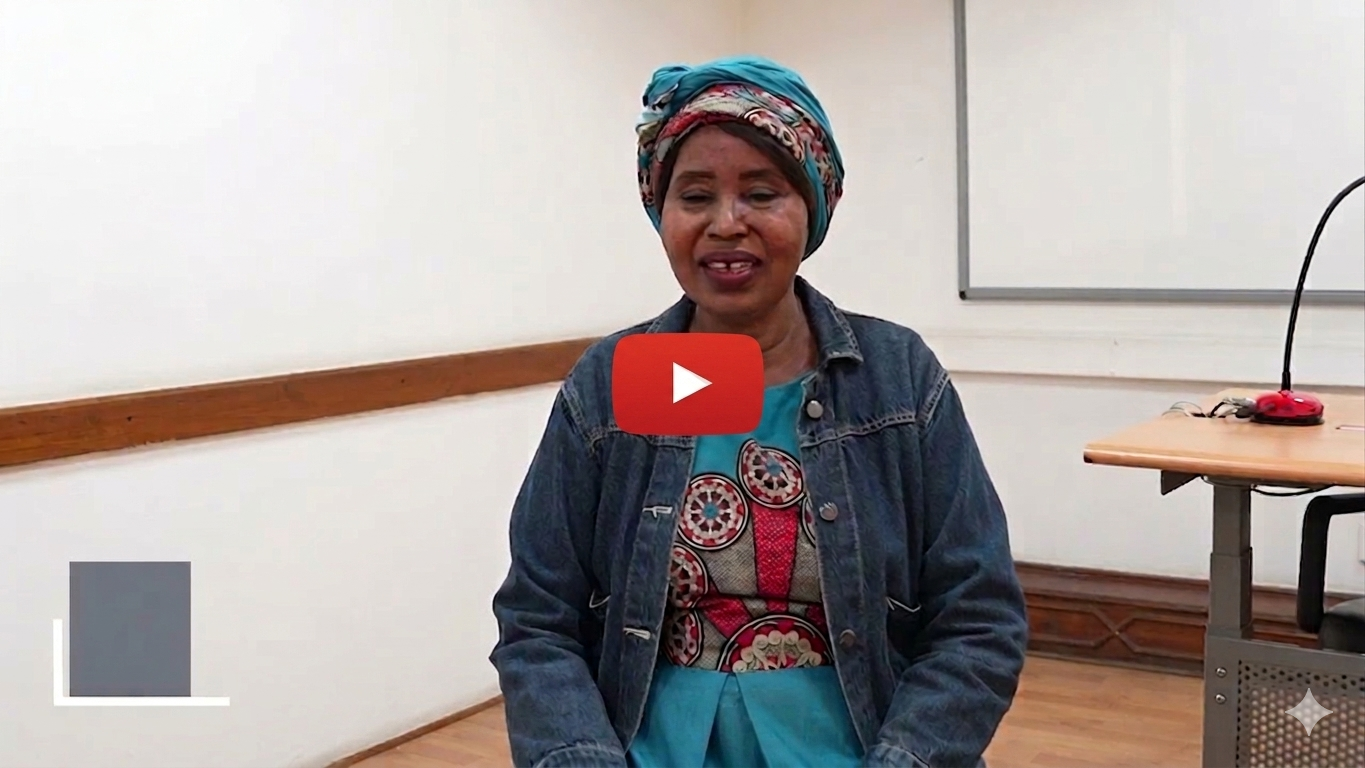
“Traces of Mobility allows us to re-conceptualize cultural heritage from a migration perspective,” Ahmed shared. “We work with migrants and refugees to trace and document their memories, as well as the mobility and violence they might encounter during this journey. We document the solidarity they show in their displacement.”
Documenting a Shifting Heritage
The Traces program compares and analyzes the migrant experience in all stages, hosted across a multitude of countries. Egypt serves as an especially important location, as it can be both a sending, transit and receiving country for migrants. “We feel that migration is a journey,” Ahmed affirmed. “It needs to be studied in all locations and multiple locales.”
Ahmed’s own history as a migrant informs her approach to migration studies. She was born in Egypt to a Sudanese family, which has given her an important personal perspective. “As a part of the migrant community in Egypt, I already had a transnational network,” she explained. “So when I started to do interviews and focus groups, I was approached by members of the community asking us to organize events for them such as exhibitions, concerts and seminars. This started a shift in how we approached the research to be more open to the community around us and to have a participatory message. We’re giving migrants ownership and leadership over how they are expressing their own heritage.”
"We’re giving migrants ownership and leadership over how they are expressing their own heritage.”
The project is unique not only in its multi-loci infrastructure but also in its approach to heritage and memory making. For these researchers, heritage is dynamic and developing, unique to each individual and influenced by each place they have lived. It rethinks heritage through the lens of human mobility, while putting experiences of human rights violations at the center of analysis. Traces seeks to document these unique experiences through heritage archiving and mapping, as well as preserve heritage memory through cultural community-making.
“We tend to think about heritage as something that happened in the past, static, but this is actually not the case,” Ahmed explained. “Heritage is something that we have always been practicing and performing, and we continue to do it. Migration heritage is unlike the standard heritage of a region: It’s been changed through the experience of migration.”
The research seeks to place the participants front and center in the development of the Traces project. They have ownership over how they express (the re-making) of their own heritage through a process called collaborative methodologies.
“Collaborative methodologies are important in migration studies,” Ahmed stated. “Research participants are not just here to share knowledge; they are an integral part of the study and should lead the development and course of the research. When it comes to migrants, it's especially crucial that knowledge building is on the grounds of equal engagement. Through these methodologies, we’re able to offer a space and strengthen the community through this project.”
Community Impact
The refugee communities have truly become the center of Traces, in both the events the project hosts and organizes as well as how migrants and refugees approach their own archive, which will be digitized for wider access. “The lives of refugees are a process that must be archived,” shared Angelina Daniel Seeka, one of the project collaborators. “Despite all the hardships they have been going through, refugees started rebuilding their lives from scratch. They started creating their own environment, their own groups — in hopes of finding a new place and forgetting what they have been through. This all must be documented.”
Seeka has been working with Ahmed to help document the stories of migrants and refugees both inside and outside of Egypt. Through the process of archiving, they’ve also developed a support network. “Within minutes, we are able to find out anything happening to refugees through social media and WhatsApp groups, allowing us to reach them and enabling them to contact us about any of our initiatives,” she shared.
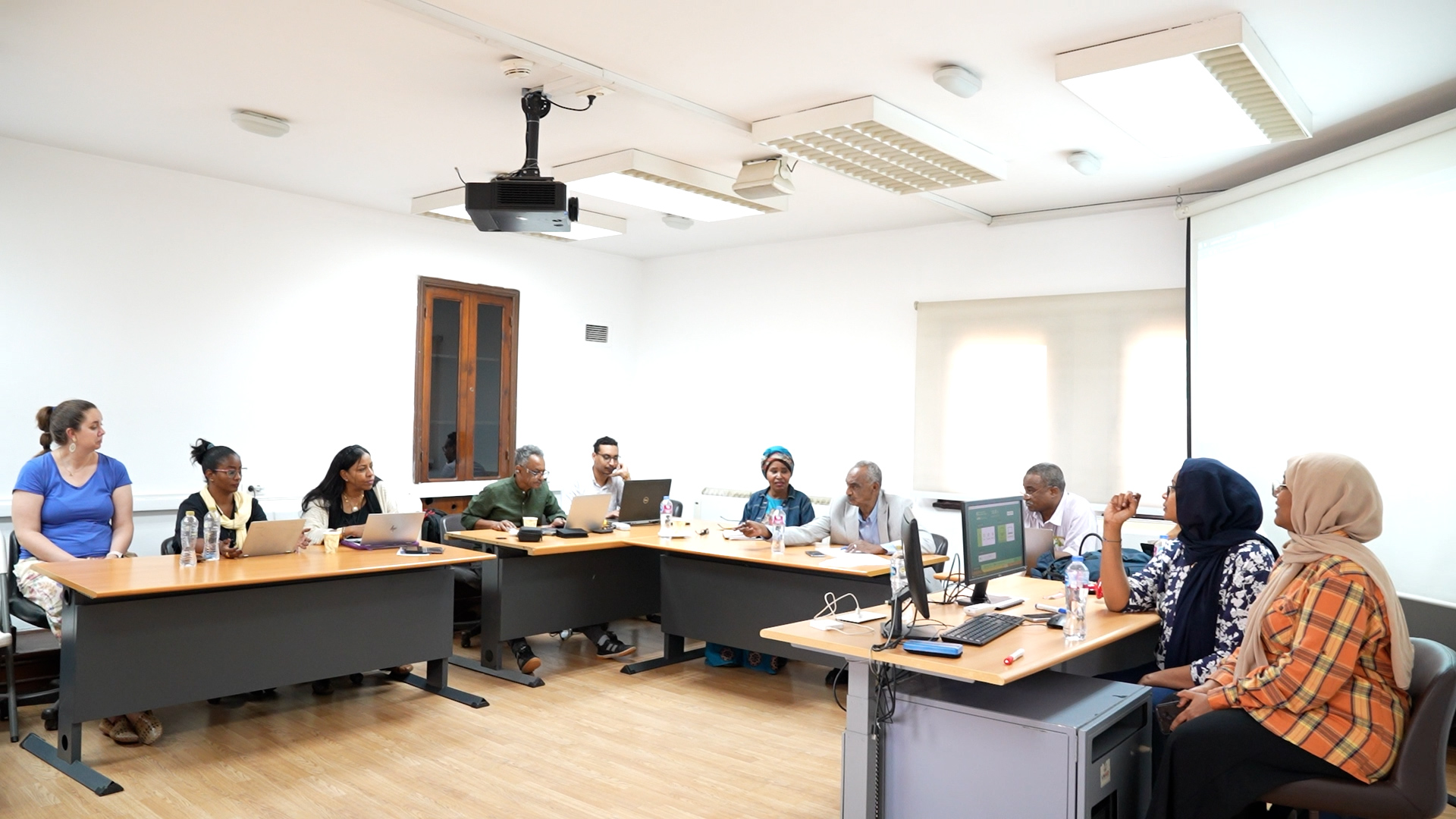
Due to the way the project has developed through collaborative methodologies, a large range of events fall under the umbrella of Traces: music performances, community events and academic conferences. The French Centre for Economic, Legal and Social Studies in Sudan (CEDEJ Khartoum) conference, hosted in November 2025, invited Ahmed’s AUC class, Mobilities: Gender and Migration, to attend and learn about migrant scholarship. Students expressed a deep connection to the work being done and a more thorough understanding through hearing migrants directly share their experiences.
“I feel satisfied because this project made a difference in so many people's lives, including our students from AUC,” Ahmed stated. “I have a good number of graduate and undergraduate students who are engaged in the project, and some of them who graduated are employed by the project.”
Traces has engaged heavily with AUC and wider migrant communities, bringing them together through unique and collaborative events. Dr. Kamal Yousif, a Sudanese migrant who has been in Cairo for three years, has brought his musical talents to AUC for Traces events. “The archival idea was to follow refugees and record their everyday life,” he shared. “The project traces the cultural heritage of refugees as they leave their homes, arrive in Egypt and build new lives there.
“As policymakers and scholars, we need to regard migrants and refugees as a resource not as a burden."
And it’s not only Sudanese refugees; there are South Sudanese, Yemeni refugees, Palestinian, Eritrean, Syrian and a lot more. Some organize their own cultural events, while at other times different nationalities collaborate and work together.”
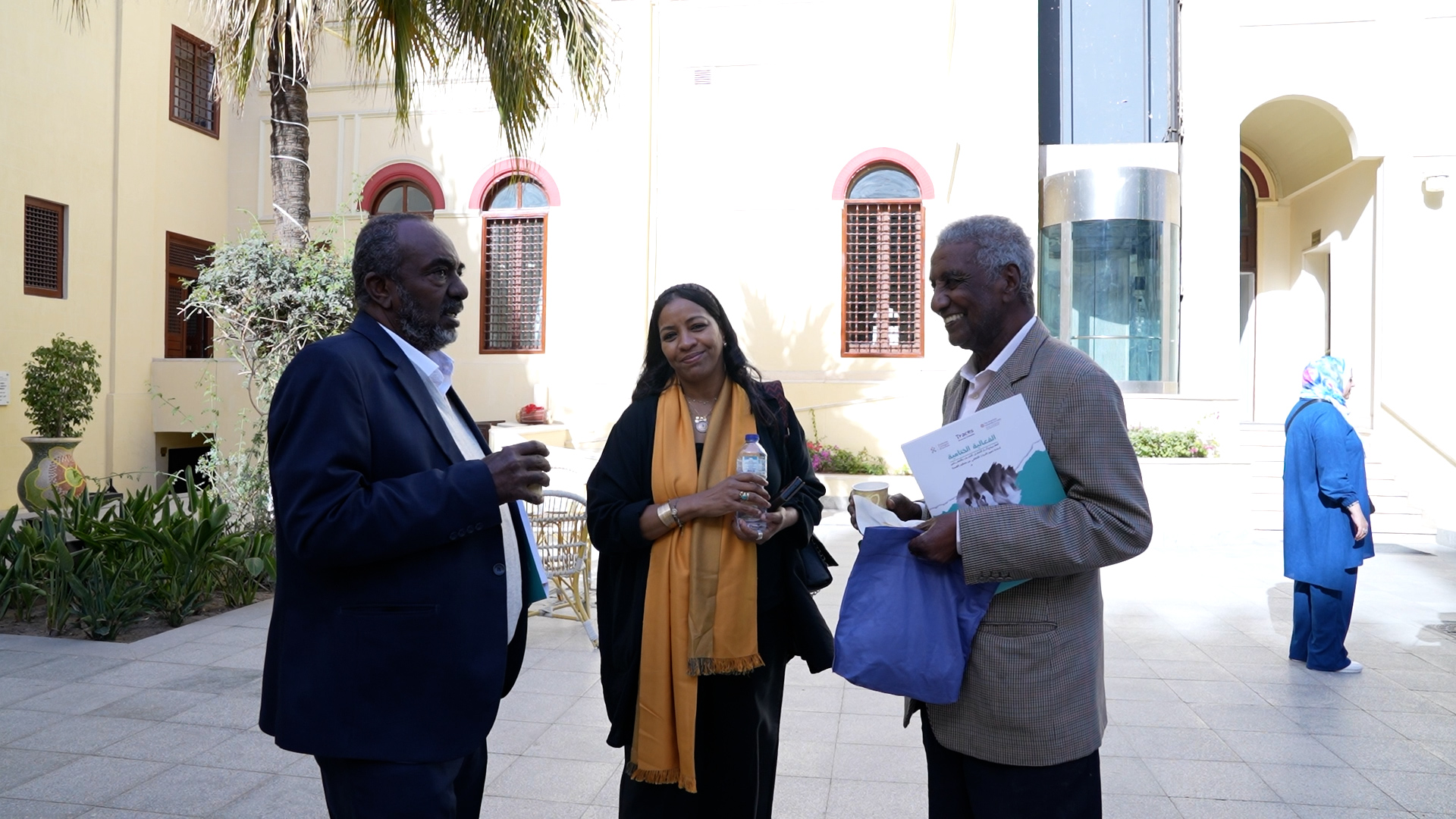
“The collaborations are very vibrant,” Ahmed confirmed. “I really appreciate the space AUC has given us: beautiful, magnificent, historically valuable sites that we use during the project, especially the Main Campus in AUC Tahrir Square, have been home for us during the last three and a half years. Without a space like AUC, without the generosity of our staff, colleagues and administration, I don't think we would have been able to implement Traces in the way we did.”
The project’s publications and the digital archive created by Traces serves as an accessible testament to the power of refugee heritage sharing. It is the first step in what Ahmed hopes will be a wider transition in cultural understandings of migrants.
“As policymakers and scholars, we need to regard migrants and refugees as a resource not as a burden,” Ahmed concluded. “I would appreciate migration and refugee laws that enable migrants to work legally and contribute by paying taxes, just like citizens. I would also like their culture, human rights and ability to contribute to be fully recognized. I believe this is essential not only for their dignity and well-being, but also for the development of the host country they live in.”
