Home page
ع Search AUC

Closing the GAP-P

Closing the GAP-P
November 4, 2022
People in class and a woman smiling
<?xml encoding="UTF-8">

By Claire Davenport

Breaking Silos

Large global issues such as climate change are difficult to tackle across sectors. Scientists, politicians, local governments and corporate industries often get isolated in their efforts to address environmental challenges, coming up with solutions that are narrower or smaller in scale.

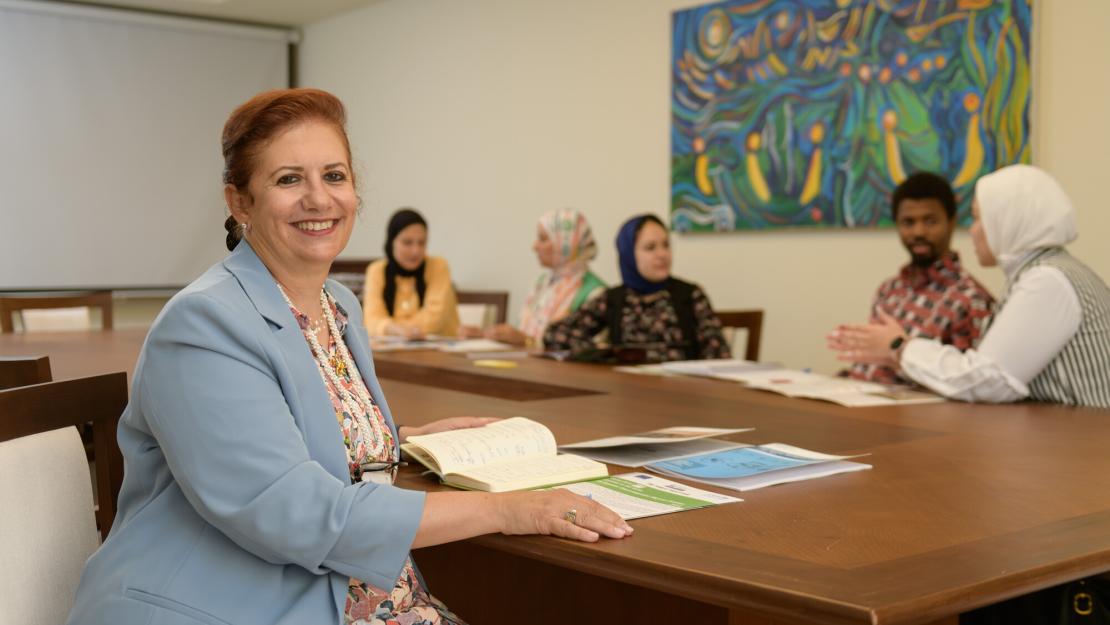
Laila El Baradei with Public Policy Hub members, photo by Ahmad El-Nemr

"When you're just adopting the views of a single entity or governorate, you focus on its needs only," explained Laila El Baradei '83, '85, professor in the Department of Public Policy and Administration and director of AUC's Public Policy Hub. "But environmental issues, in particular, cut across all boundaries, and there is a need for different ministries to talk to one another and figure out the responsibilities they have to shoulder in order to achieve their common objectives."

The Public Policy Hub at the School of Global Affairs and Public Policy (GAPP) bridges the divide between research and implementation, offering well-researched solutions to Egypt's policy dilemmas around climate change and beyond.

Policy Proposals

The Public Policy Hub was co-founded by El Baradei in 2017 to advance evidence-based policy recommendations that meet the needs of government organizations. Participating graduate students and alumni from AUC and other universities work in teams to tackle policy issues identified by Egyptian government bodies, developing creative and cohesive policy solutions to the problems Egypt faces.

The hub is currently focused on climate change policy issues, which include examining the effects on agriculture and tourism in Egypt, mitigating the impact of climate change on Egyptian cities, studying the localization of climate change alleviation and adaptation efforts, as well as evaluating the current impact of these strategies.

When creating a public policy recommendation, there is a lot for the researchers to consider: existing data, how other countries have tackled similar issues, what is administratively feasible and politically acceptable, affordability and any challenges they foresee.

After a weeklong intensive training and four months of research on a given subject, each group is assigned a mentor and works to create a policy research paper, policy brief and advocacy tools, such as graphics and animated videos, to raise broader awareness. The groups then present their work at an annual conference held by GAPP, an event often attended by sector leaders and government representatives.

A Hub for Impact

By allowing government agencies to propose issues for the researchers to tackle, the hub has a unique ability to affect government decisions and have its policy recommendations taken into consideration.

"What's unique about our Public Policy Hub is that we follow a demand-based approach, and we are very proud of that -- so it's not us the researchers and academics who decide what the policy issues or research problems are, but it's the government agencies that do so," explained El Baradei.

To date, the hub has published 40 papers that have more than 8,200 downloads across 112 countries, and it has tackled issues as diverse as child marriage and care for the elderly.

Beyond the hub's impact on influencing policy decisions and legislation, it is also an incubator for the next generation of policy leaders.

By putting together reports and taking part in the day-to-day operations of policymaking -- from navigating scheduling to parsing through data -- researchers leave the hub well-equipped to enter the policy sector and bring their climate insights to bear through their future work.

"We hope that the focus on climate change is continuous and sustainable," said El Baradei.

 
Share

Akher Kalam

Akher Kalam
June 22, 2022
A man smiling
<?xml encoding="UTF-8">

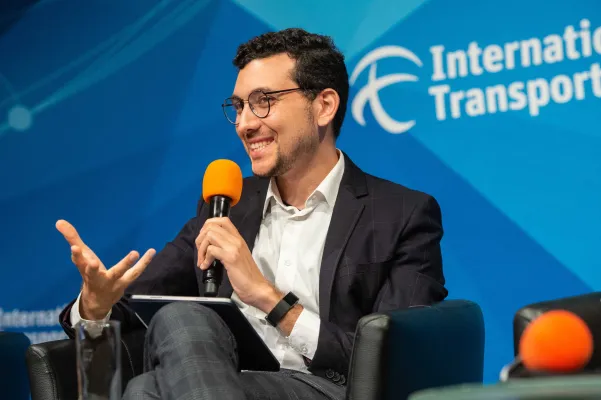
Today, I wear two professional hats: one as director of Transport for Cairo (TfC), a strategic advisory consultancy enhancing urban mobility in emerging cities; and another as road transport co-lead of the UN Climate Champions, a group working to gather state and non-state actors, such as local governments and banks, to tackle climate change. The work is highly connected. I bring my expertise in improving mobility to conversations about improving our climate, focusing on how to have sustainable transit systems in Africa's emerging markets.

Mohamed Hegazy '12

After graduating from AUC, I worked on creating a map of all public transit systems in Cairo for trip planning, then worked with the World Bank for the benefit of the Ministry of Transport with a front-row seat to the changes happening in the sector. Egypt has more than doubled its investment in the transport sector in 2021, creating a huge opportunity for innovators in the space to access funding.

I got connected to the UN Climate Champions through an article I wrote for Project Syndicate, "Electrifying African Transport," about the options to make the continent's transit systems more electric and more local. And the solution isn't only electric vehicles. It's about traveling differently -- leaving your car at home and taking your bike or public buses. It's also about traveling less and having shorter commutes, or investing in informal transit like microbuses.

Our work as transit consultants is all about driving the government toward such projects by creating knowledge and contributing to the debate on what sustainable transit can look like, along with tangible strategies to get there. TfC finished 45 projects so far in Egypt and six other countries in Africa. We added Egypt's public transportation to Google Maps, working to make transit information more accessible to the public. And we've put together Egypt's first Sustainable Urban Mobility Plan (SUMP), which assesses the mobility needs of a city and opportunities for improvement. We need more SUMPs in cities across the country and in emerging markets because such reports result in bankable project ideas and investment opportunities for the sustainable mobility transition.

COP27 is another opportunity to drive not only investment but also awareness of climate change as a reality that we must design for and navigate. We now need everyone to participate and appreciate the size of this challenge as well as maintain the stubborn optimism that we bring to our work. That change is possible, and we can accomplish it together.

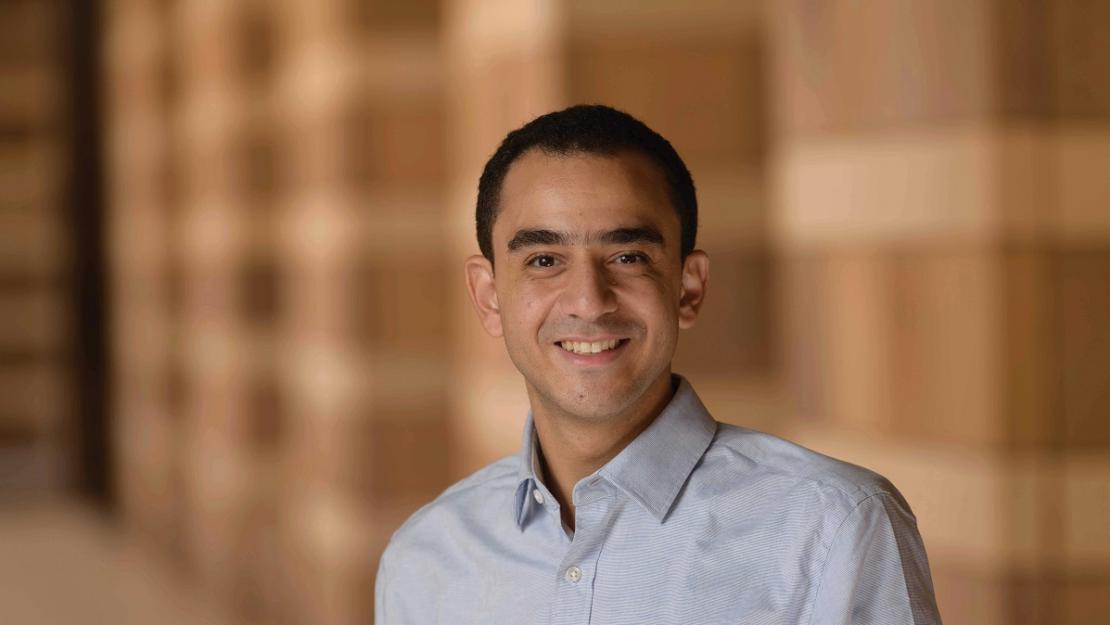
An economics graduate, Mohamed Hegazy '12 is the founder and director of Transport for Cairo and an associate of the UN Climate Champions, where he is developing a transformation strategy for road transport systems in Africa.

 
Share

Commemorative Centennial Coin

Commemorative Centennial Coin
February 6, 2019
Students
<?xml encoding="UTF-8">

By Claire Davenport 

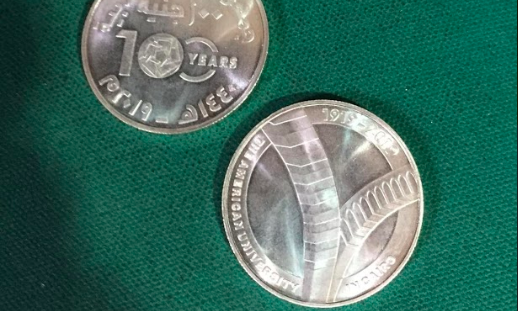
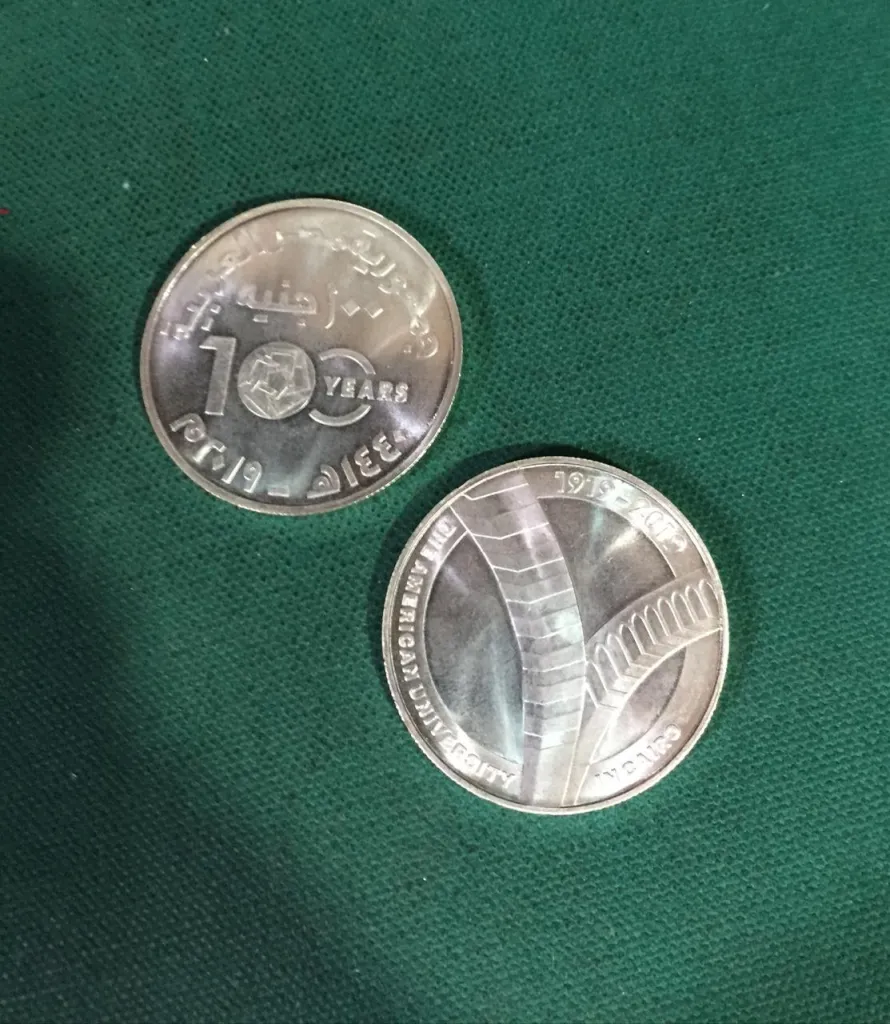
The Egyptian government has minted AUC's centennial coin, designed by five AUC students.
 

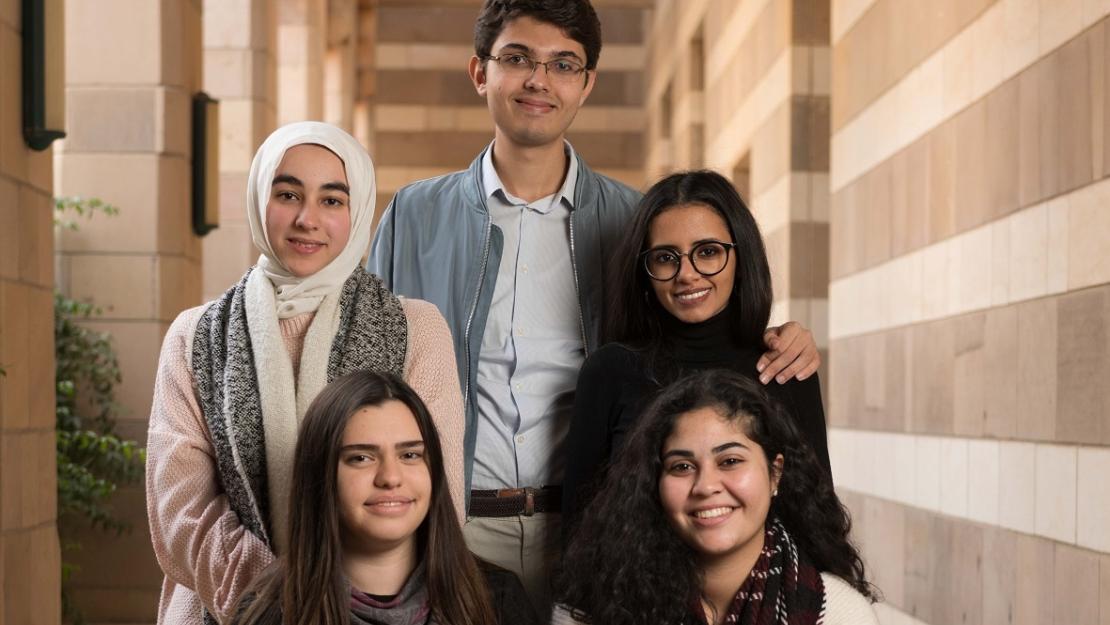
The student design team: Ahmad Khalil (back, center), Mariem Abutaleb (center, left), Mariam Ibrahim (center right), Lana Kurdi (bottom left) and Ingy Fawzy (bottom right)

This accomplishment was the culmination of a summer of work, research and brainstorming for graphic design students Ahmad Khalil, Ingy Fawzy, Lana Kurdi, Mariam Ibrahim and Mariem Abutaleb. Aiming to highlight the impact of the University's architecture on AUCians past and present, the minting of the coin finally made the group's vision a reality. 
 

To create a coin for AUC's centennial, the five students took part in a mentored workshop supervised by Nagla Samir, associate professor in the Department of the Arts and co-chair of the Materials and Collateral Taskforce for the centennial, and Ghalia ElSrakbi, instructor in the Department of the Arts. "They are the dream team," Samir exclaimed. "Ahmad and Mariam are seniors, Lana and Ingy are juniors and Mariem is a sophomore, so the team brought three-generation perspectives to the design." 
 

The team conducted extensive research before beginning the design process. Over the summer, they administered an online survey to determine what the campus meant to old and new AUCians. They then held multiple focus groups, narrowing down their designs until the two finalists were shown to President Francis Ricciardone. The final selection embodied what AUCians had expressed in the survey: that everyone related to AUC's architecture, specifically its idiosyncratic arches and portals. "We worked throughout the summer, mainly on research," explained Khalil, one of the student designers. "We went to the library and the archives, and this is where the design stemmed from. We wanted to base our design on AUC's architecture, so we looked at books about that and studied photos of the campus." 
 

For the students, it was very important that the coin would resonate with the AUC community. "This wasn't just a theoretical project; it was something that was going to be made," said Ibrahim, another student designer. "Your eyes and your professor's eyes are not the only ones that will see this. Everyone has to understand it, and it has to be of value for all. Architecture is the connecting dot between all the generations." 
 

Explaining what he hopes people would envision when they look at the coin, Khalil noted, "I hope they get a feel of the heritage of this institution and realize that's it's been there for a very long time."
 

The final coin features two striped arches on one side, one slightly smaller than the other, bowing together to create an impossible bridge where they alluringly meet in the middle. "We picked the old and the new arches and morphed them together," Ibrahim said, explaining how they used a rendition of AUC's classic arch to connect the old with the new. It seemed fitting to ElSrakbi that the campus would be the inspiration behind the coin's design. "The campus is where everything happens, where people meet, where people study, and where faculty and students spend time together. The campus itself is a kind of time capsule," she said. 
 

Besides reflecting the values and history of AUC, the coin's design also carries symbolic weight. "The arches connect the past to the future, and the portals take on another meaning. They become a portal to the past, where 100 years ago, people walked through the first arched portal to AUC," Samir explained. 
 

Beyond the design, the five students who worked on the centennial coin also got exposure to the technical side of the design process. They had to make sure the coin's design -- including logo size, spacing and lettering -- all conformed to government standards. "Working on a coin is not something you get to do every day. It was cool because we got to see the technical part of it," said Kurdi, a student on the design team. Samir and ElSrakbi both believe that creating the coin and going through the minting process gave the students valuable real-world work experience. "It was the first time I produced something that would go out into the world; it's very meaningful," Khalil expressed. 
 

The students also designed a unique packaging for the coin. While it has not been finalized, the essential concept was to make the package interactive, with fold-out flaps containing information about AUC and 100 years of its events. "It's not designed to go into a drawer. It's designed to stand," Samir explained proudly. 
 

"The campus is where everything happens, where people meet, where people study, and where faculty and students spend time together. The campus itself is a kind of time capsule."

There will be both a silver and a gold coin for sale. The silver coins will be available for sale at the AUC Bookstores, while some of the gold coins will be given as gifts to donors and trustees. The rest will potentially be auctioned off. AUC ordered 1,000 silver coins and 20 gold coins. The coins will be sold for a bank set value. Samir hopes that AUC will always keep one gold coin, "perhaps in a time capsule or in the University Archives," she said. 
 

The coin is ultimately a celebration of AUC's 100 years of learning, growth and service in and outside of the University walls. "As well as commemorating this important occasion, these coins will help raise money for student-related causes and scholarships," explained Lamia Eid '82, '92, head of the Materials and Collateral Taskforce for the centennial.
 

"One hundred years is a big thing, so commemorating this event is really important," added Fawzy, a student on the team. 
 

As ElSrakbi explained, the coin is a perfect vehicle because it withstands time. "The coin as a medium has been there for so long, as an object to preserve the memory of an event that happens," speculated ElSrakbi. "By collecting it, you preserve this event for the future, but you are also trying to talk about the past."


Share

A Tale of Two Alums

A Tale of Two Alums
Dalia Al Nimr&nbsp;
January 1, 2017
Black and White Alums
<?xml encoding="UTF-8">

By Dalia Al Nimr | This story appeared in the July 2017 edition of AUC Today.

Born in 1946 in Ramleh/Jaffa on the Mediterranean shores of Palestine, Souhail El Farouki '68 immigrated to Egypt in 1948, when the Arab-Israeli war broke out. In 1963, he graduated from Victoria College in Alexandria, then moved to the United Kingdom to complete his A-levels. For El Farouki, things in life did not come easy.

"Having been forced to leave my homeland in Palestine, I can relate to the refugee crisis plaguing our world today," reflected El Farouki. "When I went to the UK, I worked there during my holidays -- as a farmer; as a wheelbarrow porter transporting luggage and cargo at Folkestone Harbour Railway Station; and as a kitchen helper in restaurants. Being exposed to all these different types of jobs motivated me to do well in my studies."

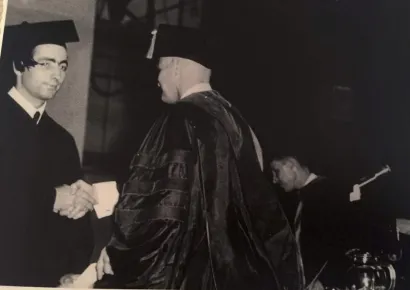
El Farouki receiving his diploma, shaking hands, in black and whiteEl Farouki graduated from AUC in 1968 with a bachelor's in chemistry.


Following in the footsteps of his father, Ghaleb El Farouki '33, Souhail El Farouki attended AUC, where he met his life partner Abla Leheta '69, who is originally from Port Said.

"I still remember the year -- 1964," recalled El Farouki. "We were on a freshman trip to Al Qanater Al Khayria. My camera ran out of film, but I pretended to take pictures of the scenic environment whereas my focus was to talk to Abla. When she asked me later about the photos, I never lied; I admitted that I had run out of film. There was and continues to be a lot of mutual respect between us."

For both El Farouki and Leheta, their University years were all about hard work and perseverance. With the close-down of her father's business in Port Said and Suez, Leheta found herself obliged to work as a part-timer at AUC's mail office and at an airline travel office to partially help support herself and finish her studies. Similarly, El Farouki overloaded himself with credit hours and took summer classes to graduate quickly in order to join the workforce and help his father. "AUC instilled in us the motivation and desire to work hard, make our lives worthwhile and be the least burden on our families," said El Farouki.

"AUC inspired us and opened our eyes to the fact that there are no privileges except through hard work and knowledge acquisition, whether you own a Ferrari or commute using a second-class bus ticket, whether you dine at posh restaurants or eat foul and ta'meya, whether you wear the same or different clothes every day. All students are equal at AUC, independent of background, social class or status. AUC gave us a different outlook on life and taught us not to be distracted by petty issues."

AUC was a home away from home for both El Farouki and Leheta. Not only did their siblings and relatives join AUC, but the University carried special memories for both of them: from Am Abdou who greeted them every day at the University gate to their favorite campus spots such as the cafeteria, Ewart and Oriental halls, the library and hostel to entertaining activities such as theatre performances, sports games and social events.

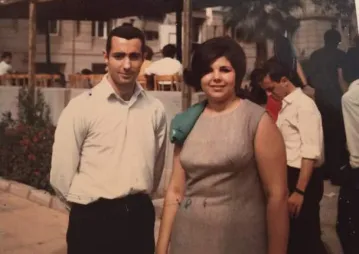
A couple stands smiling at the camera in a vintage photo.El Farouki and Leheta first met at AUC in 1964, and have been together ever since.

Even the "demanding professors, the tough graders," whom El Farouki and Leheta described as their favorite because they learned the most from them, were an unforgettable part of AUC. And of course, there are the extracurricular activities, which were not only fun, but a fertile learning ground outside of the classroom. These included El Farouki serving as a sports manager for the freshman class and as a social manager for sophomores, and running for the position of head of the AUC student body. Leheta was also chosen as one of the finalists in the Miss AUC competition. "Each of these activities taught us something new," said El Farouki. On one occasion, during an AUC trip to the American University of Beirut, their travel was partially funded by carrying items with them that were later sold in Lebanon.

After graduation, armed with their degrees -- a bachelor's in chemistry for El Farouki and a bachelor's in economics and political science for Leheta -- the two alumni were ready to venture into the real world. "AUC prepared us for the real world and equipped us with an eagerness to learn, which gave us the courage to get married and apply for graduate studies abroad," El Farouki noted.

Soon enough, El Farouki received an assistantship to pursue graduate studies at the University of Nebraska-Lincoln, where he received his PhD in chemistry in 1976. Leheta worked as a full-time librarian at the same university until she acquired her master's in educational administration. "We lived in low-income housing and used Salvation Army furniture," El Farouki said. "I used to hitchhike to the university until we were able to buy a second-hand car. I distinctly remember receiving a Teaching Assistant Award -- a $25 check -- in 1975 and taking my wife and young daughter, Roba, to a pizza parlor where I used to work for extra money."

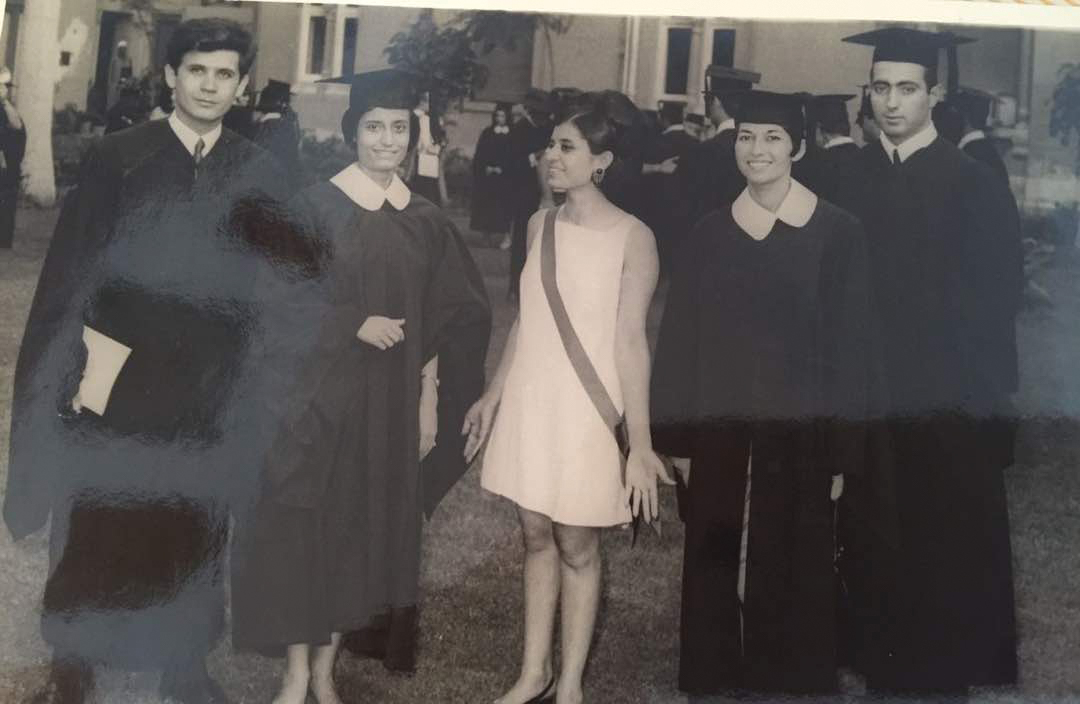
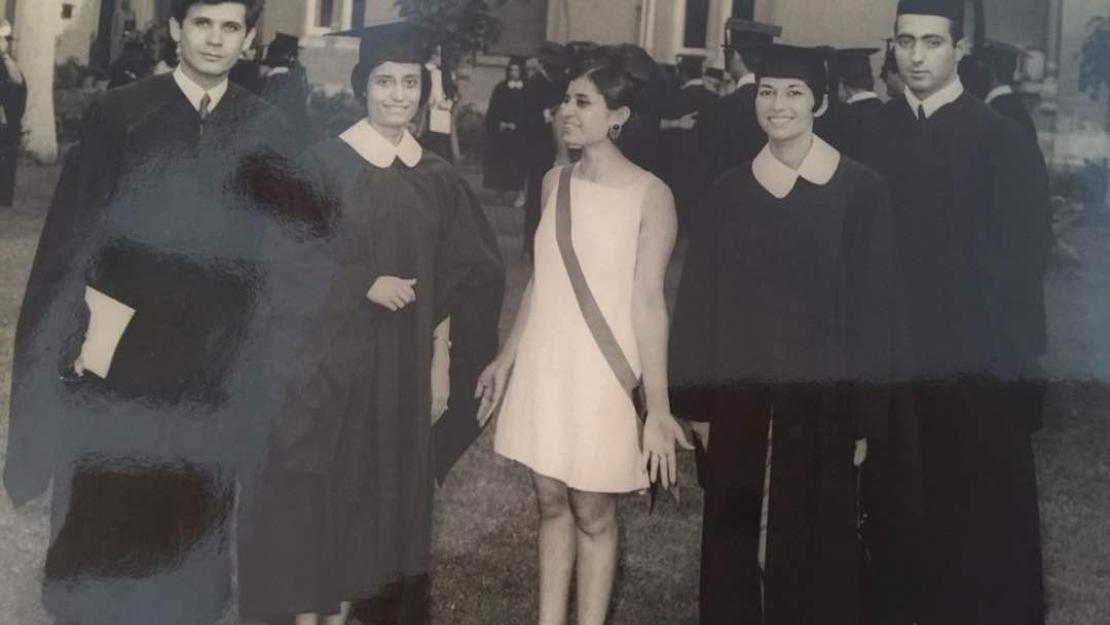
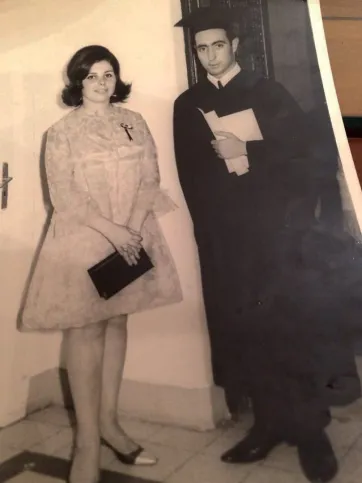
A young couple stands smiling at the camera in black and white. The man is in a graduation cap and gown, the woman in a nice dress.Leheta and El Farouki at his graduation in 1968, four years after they first met.

After graduating from the University of Nebraska-Lincoln, the married couple moved to Saudi Arabia, where El Farouki joined the Juffali family business. The group's managing partner, the late Sheikh Ahmed Juffali, husband of the renowned philanthropist and AUC Advisory Trustee Suad Al-Husseini Juffali, had plans to add Dow Chemical Company to the organization's diverse business activities. El Farouki was offered a job as a salesman to introduce Dow Chemical products into the market. Over the next four decades, El Farouki helped develop the Juffali chemical business into one of the largest, most diversified private sector chemical operations in the region. His achievements were cited in numerous publications, such as Growth Company: Dow Chemical's First Century and the late Ahmed Juffali's biography, Ahmed Juffali: A Life in Business.

Both El-Farouki and Leheta actively give back to their communities, be it contributing to local and regional charitable organizations, serving on the boards of trustees of local international schools, and developing a passion for the culinary arts by heading the International Chaine Des Rotisseurs Jeddah Chapter and the Gourmet Club Saudi Chapter

Although El Farouki recently left the Juffali group, he is still active in developing his family's coffee and roasted nuts wholesale and retail business and building a personal chemicals platform in Jordan.

Throughout their life journey, El Farouki and Leheta were keen to pass on a valuable lesson to their three children and nine grandchildren. "We have tried to implant in them the importance of working hard -- daily and over a period of many long years -- and contributing to others," said El Farouki. "All our children have been encouraged to have part-time jobs while studying at university. Even our grandchildren are active in fundraising, charity calls and serving in refugee camps. It is through both hard work and contributions to others that people, looking back, can appreciate and value all they have achieved."

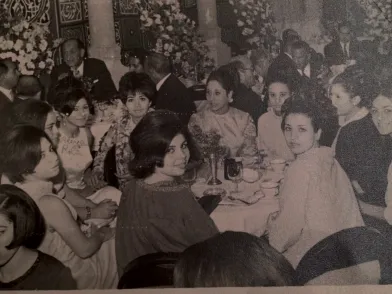
a group of smiling women at a dining table, dressed up, in black and white.Leheta with AUC classmates at a friend's wedding.

Recognizing their accomplishments, AUC presented El Farouki with a Distinguished Alumni Award in 1999 and Leheta with a Distinguished Alumni Volunteer Award in 2004. Becoming forever a part of the New Cairo campus, the married couple named the Abla Leheta '69 and Souhail El-Taji El-Farouki '68 Courtyard.

"When we look back at our beautiful journey, we are grateful for what we have achieved," said El Farouki. "AUC was a stepping stone for us and helped us get to where we are now. We hope today's students who pass through this courtyard will have an even better journey than ours."

He added, "Giving to AUC was also part of my father's legacy, when he established the Ghaleb El Farouki '33 Endowed Scholarship in 1985 to support Palestinian students. I am very touched by the notes I receive from the scholarship recipients and want to do more for this University. AUC has a great snowball effect: It teaches us to excel in everything we do, and employers look specifically for AUC graduates because they have proven themselves in the job market. Then these employers, many of them big corporations, give back to AUC because of their gratefulness to it for producing such fine graduates."

To these fine graduates, El Farouki and Leheta advise: "Life is short. Live every moment. Work hard. Stay in touch with your classmates. Treat people with kindness, modesty and respect, no matter how much knowledge you have. This is the secret recipe for success."


Share

It Runs in the Family

It Runs in the Family
February 3, 2019
Old lady smiling
<?xml encoding="UTF-8">

By Tess Santorelli
 

For Farkhonda Hassan (MSc '67), the phrase "mother knows best" takes on an entirely new meaning. 

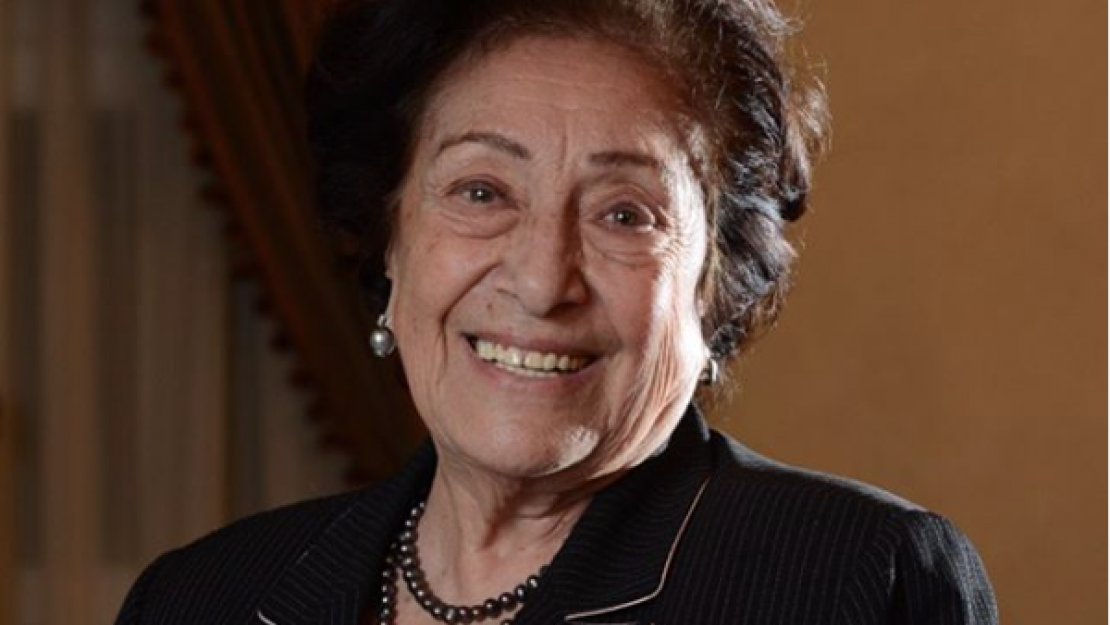
Hassan, professor emerita in the School of Sciences and Engineering, has been teaching at AUC for 55 years. Her extensive list of students includes Her Majesty Queen Rania Al Abdullah of Jordan '91 and Nabil Fahmy '74, '77, Egypt's former foreign minister and founding dean of the School of Global Affairs and Public Policy. Yet, she has some particular students she especially enjoyed teaching at AUC -- her children and grandchildren.
 

Hassan's daughter, Wegdan Lotfi '79, '91, was previously an adjunct faculty member at AUC's Department of Chemistry and had taught her own children as well, including Omar Khalifa '08. "He got a B minus in my class," Lotfi said jokingly. 
 

Khalifa also reflected, laughing, "Most of the people I meet say, 'Oh, your mother is Wegdan; your grandmother is Farkhonda. She taught me; she taught me!'"
 

As AUC's centennial approaches, Hassan, Lotfi and Khalifa sat together in the living room of Hassan's home, surrounded by photographs and family mementos, and reflected on what this centennial means to them as a multigenerational family of AUCians.
 

Hassan, who was present for the University's 75th anniversary in 1994, said she can't believe the centennial is this year. "I have been at AUC for more than half a century. I never imagined that I would make it to the centennial, but I really feel happy to be here," Hassan said. "I feel like I am part of AUC and AUC is part of me."
 

The Start of a Legacy

Hassan, who first joined AUC as a graduate student to study solid-state science in the Department of Chemistry, still finds herself happiest when she is teaching. "I'm a little bit tired of walking across the new campus between classes," she said with a smile. "But still, I find myself in the classroom."
 

In 1964, only a year into graduate school, Hassan was appointed assistant instructor. "Maybe I was a good teacher or something. Omar knows," she laughed, gesturing to Khalifa.
 

When she graduated two years later, Hassan left Egypt to earn her PhD in geology from the University of Pittsburg, after which she returned to teach geology at AUC. In addition to being a celebrated scientist and prominent professor, Hassan is also co-chair of the Gender Advisory Board of the United Nations Commission on Science and Technology for Development, as well as secretary-general and a member of Egypt's National Council for Women since 2000. Elected to the Egyptian Parliament in 1979 and serving there until 1984, Hassan is currently chair of the Commission on Human Development and Local Administration in parliament. She was also named an honorary life member of the International Parliamentary Union. In Hassan's years of teaching, she has not only taught her own children and grandchildren, but her friends' children and grandchildren as well. She recounted with amusement the number of times students in her class, who were children and grandchildren of her friends, were too shy to introduce themselves as relatives of her friends. "I feel very happy when I teach the generations of my students," said Hassan. "I'm very proud of them."
 

Hassan said having her grandchildren in class taught her things she didn't previously know about them. "Like Omar, for example, he's very independent. I didn't know that before," Hassan said. "I learned that when he gets an idea, he will do it no matter what. He perseveres." 
 

Hassan recalled a time when Lotfi was in her class. She raised her hand and asked Hassan why she had received an incorrect mark on an exam when she believed she had answered every question correctly. 
 

"She came up to the podium and asked me to show her what was wrong on her exam," said Hassan. I told her, 'You see this? I couldn't read it.' When she turned to sit down, she said something, and the entire class laughed. Mother's Day was two days away, and, apparently, she mouthed to the class, 'I'm not getting her a Mother's Day gift.'"

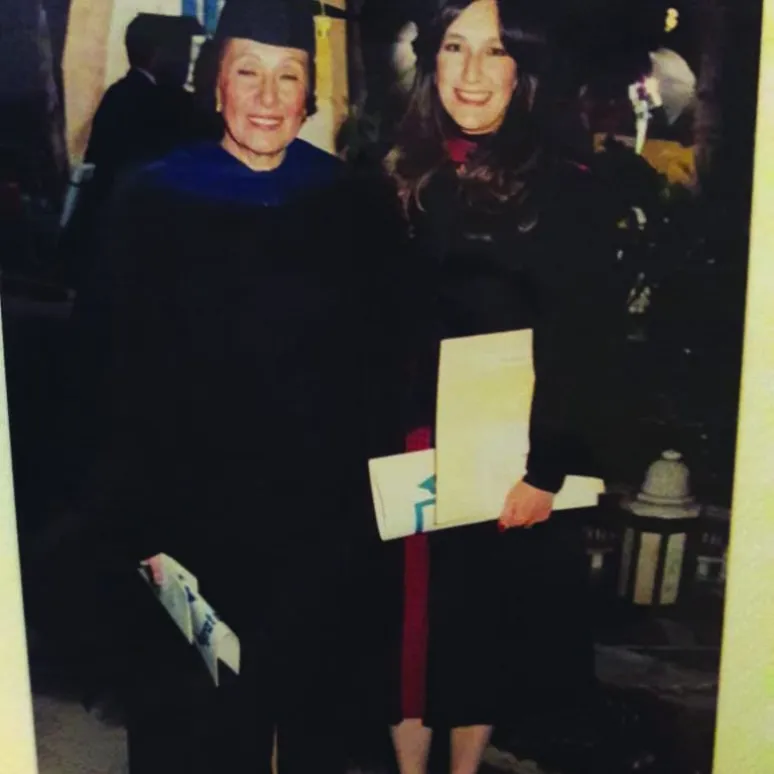
When she turned to sit down, she said something, and the entire class laughed. Mother's Day was two days away, and, apparently, she mouthed to the class, 'I'm not getting her a Mother's Day gift.'" 
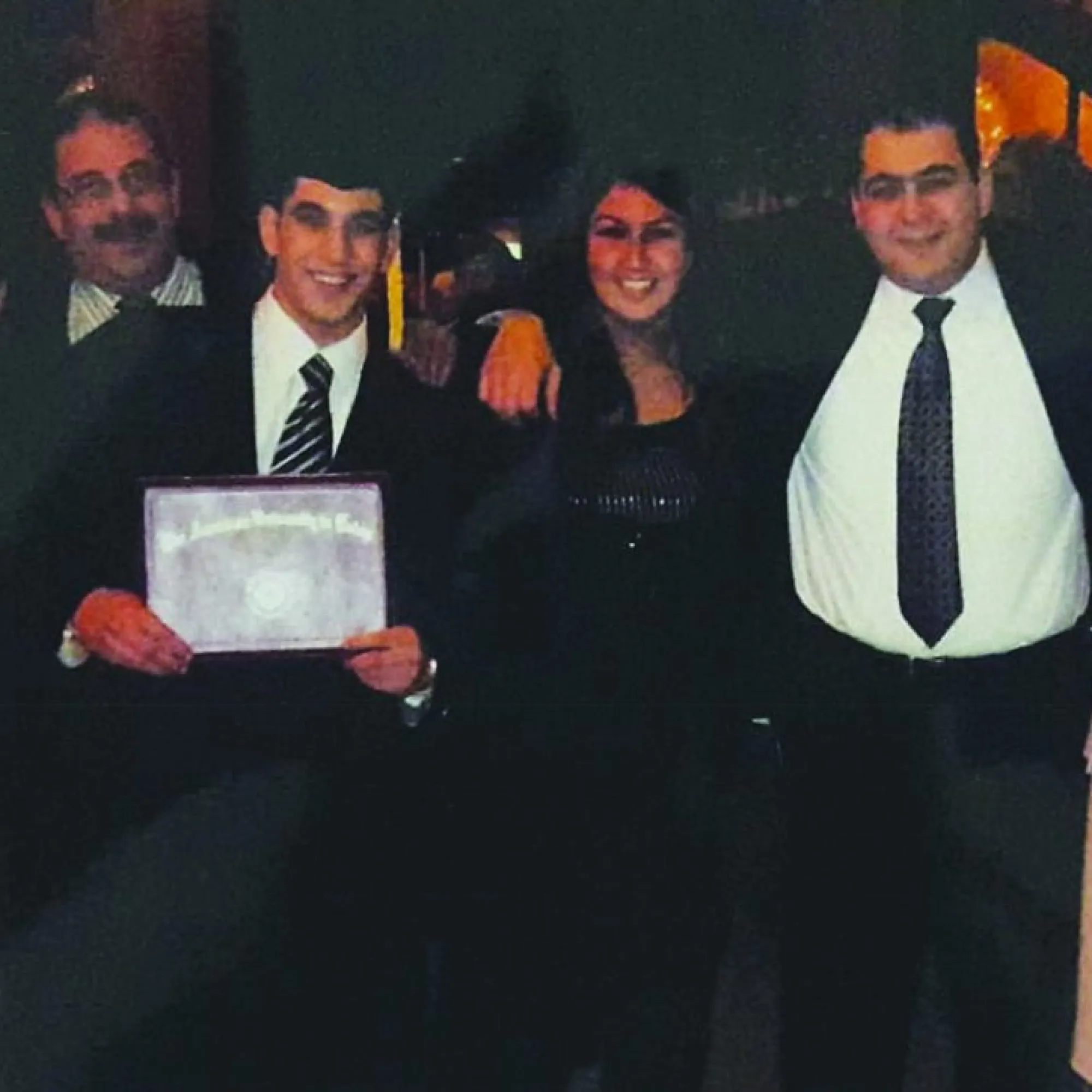
 

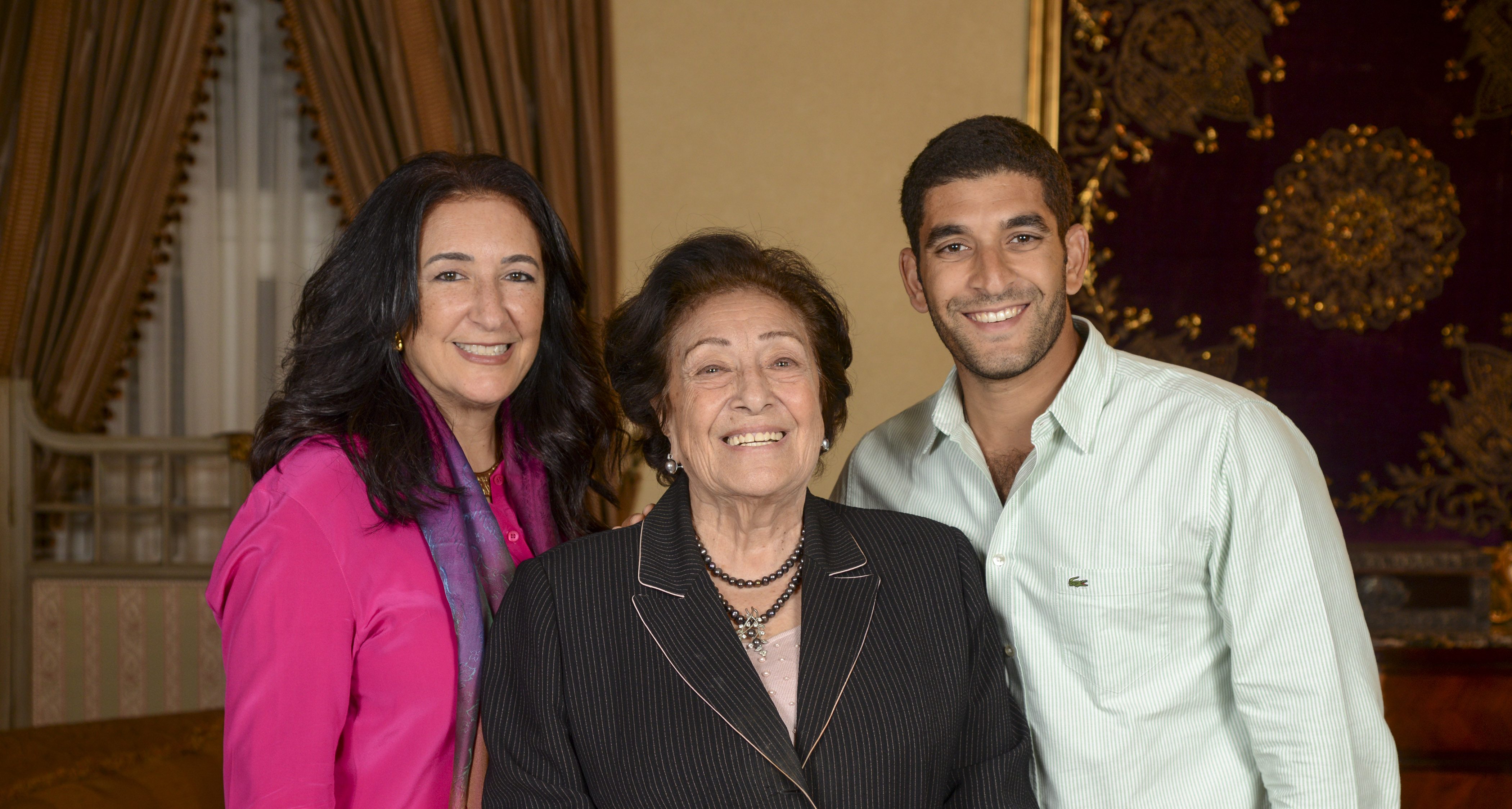
Professor Emerita Farkhonda Hassan (MSc '67) with her daughter Wegdan Lotfi '79, left; Lotfi with her father at her graduation; Omar Khalifa '09 at his graduation

Learning from the Best

After graduating from AUC's Department of Chemistry in 1979 and having her four children, Lotfi earned her master's in solid-state physics in 1991. A former member of the Suzanne Mubarak International Peace Movement and a former member of Egypt's International Economic Forum, Lotfi prides her family in their "respect for hard work." 
 

"I love teaching because it's in my blood," said Lotfi. "My kids appreciate work -- all of them. They all took courses with me, but they knew that they had to study." 
 

Lotfi tributes everything she learned about being a faculty member to her previous professors at AUC. "I remember any advice I was given," she reflected. "In all my life stages, I've had these beautiful professors. Everyone who taught me in the department helped me build character," said Lotfi. "I was shaped at AUC." 
 

Unlike their mother and grandmother, neither Omar Khalifa nor his two brothers, Khaled '04 and Youssef '17 chose the science route at AUC. At first, Lotfi insisted that her eldest son, Khaled, take science courses. To convince him, she arranged for him to meet with a particularly persuasive professor. 
 

"I left them together in her office for nearly an hour. When he came out, he told me, 'She's so kind. She convinced me to do what I want.'" Lotfi said, recalling her shock. "I asked him, 'What do you want?' and he said, 'I want to go into political science.' And that's what he did, and he started getting better grades and was happy." 
 

From that moment on, Lotfi decided to step back from her children's studies. "When it was Omar's turn, I told him, 'You do what you want,'" Lotfi said. 
 

As an active member of AUC's student body, Khalifa founded the Youth Alliance for Leadership and Development in Africa organization, was a member of the Student Union, served as the Master of Ceremonies for the Student Union Talk Show at Ewart Memorial Hall and was a top player for the University's water polo team. 
 

After graduating with a bachelor's in political science, specializing in international relations, Khalifa founded his own publishing and advertising company, Omedia, in 2009. Inspired by the employment fairs at AUC, Khalifa launched Shaghalni.com in 2015. He had a five-minute meeting to pitch the idea to the person who he says inspired him the most, Naguib Sawiris. The pitch resulted in Sawiris investing in the company. 
 

Though Khalifa describes himself as more business-oriented, he still took a class with his mother. He recalled in one of Lotfi's assignments, there was the option to either give a presentation on something small, write a paper or create a drawing. 
 

"I draw very well, so naturally, I picked drawing," said Khalifa. "I woke up in the morning before class, and in minutes, I drew a perfect solar eclipse. When I went to class and gave it to my mother, my friend told her, 'He just made that 10 minutes ago.' She knows I'm a good artist and told me I had to do the presentation instead. He ruined the plan," Khalifa said, as his mother laughed. 
 

Khalifa said the most important lesson learned after taking his grandmother's class was the meaning of integrity. "During lunch at her house, she wouldn't answer any of my questions regarding the course," Khalifa recalled. "Instead, she would tell me to visit her during office hours so I don't receive any extra treatment." 
 

A member of the Alumni Council and the AUC Fund committee, Khalifa hosts yearly employment fairs on the Tahrir Square campus as his way of "giving back" to AUC for fueling his ambition. "All of my ideas and dreams were created while studying at AUC," he said.
 

Making it Count

"Having a family of AUCians -- my son, my daughter, my in-laws and my grandchildren -- is really great," said Hassan. "I think we belong to the AUC culture. All of us."

As a faculty member, Hassan is most proud of her students because they learn how to navigate life while studying at AUC. "It is not just a degree. It is a way of thinking and living," said Hassan. 
 

Khalifa said AUC's impact on its students is evident throughout Egypt. "This is one of the oldest, most well-established universities in Egypt," he said. "Everywhere you go, even in the biggest companies you'll always find an AUCian on the decision-making team." 
 

"The University gives space for students to think out of the box," Lotfi agreed. "It encourages self-development and learning to the utmost." 
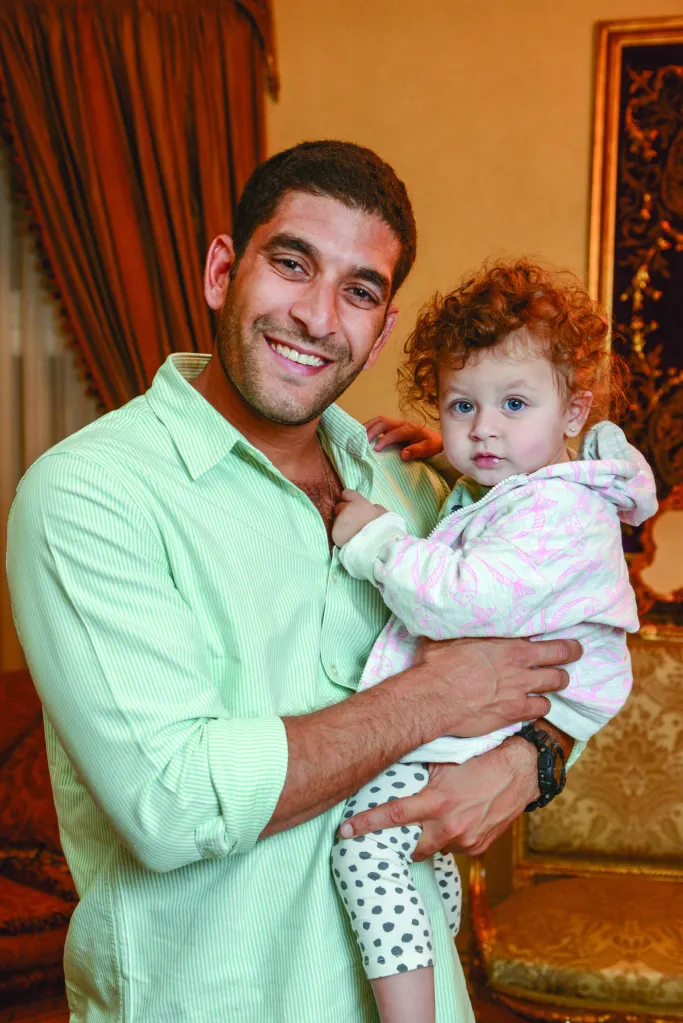
 

Omar Khalifa ('09) and daugther Carla, possibly a fourth generation AUCian?

Khalifa added that not everyone knows his family's relationship to AUC. "But when they know," chimed in Hassan, "They link everything," Khalifa finished. 
 

"Having a family of AUCians -- my son, my daughter, my in-laws and my grandchildren -- is really great," said Hassan. "I think we belong to the AUC culture. All of us." 
 

How would the family describe AUC? "Character-building," they agreed. 
 

"I see students entering as freshmen, and when I see them as seniors, they've grown into completely different people," said Lotfi. "It is really quite impressive. In four years, they change. They're more confident. They are better at everything -- all because of their time at AUC." 
 

As Lotfi spoke, Khalifa's 2-year-old daughter Carla wobbled from one chair to the next. "The fourth generation of AUCians!" Khalifa said jokingly, as everyone laughed. 
 

"AUC is in us. I mean, we are all AUCians," said Lotfi, while Carla steadied herself against her great-grandmother.

Three Generations of AUC Families
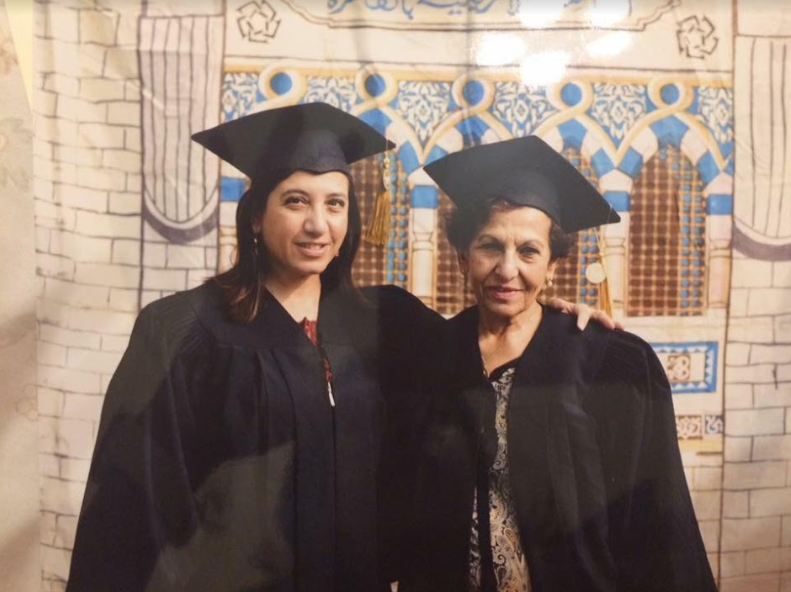
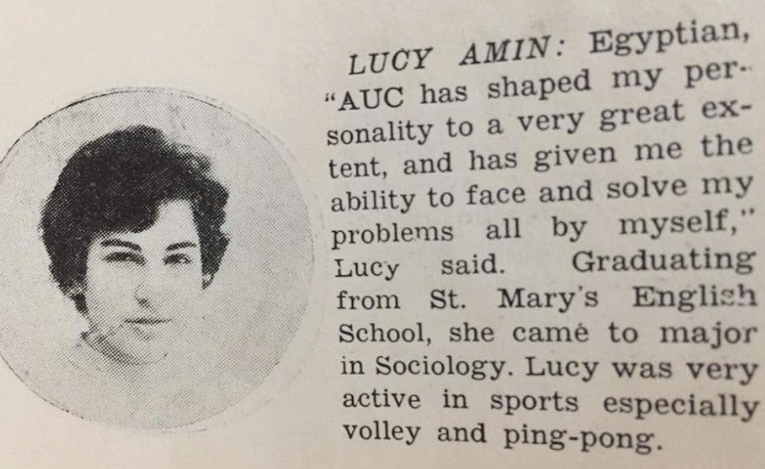
  • Lucy Amin '60 (right) with her daughter Nelly Ragai '89 at the 2016 homecoming in AUC Tahrir Square
  • Nelly Ragai '89
  • Ragai's late husband
    Teddy Tadros '88, '97
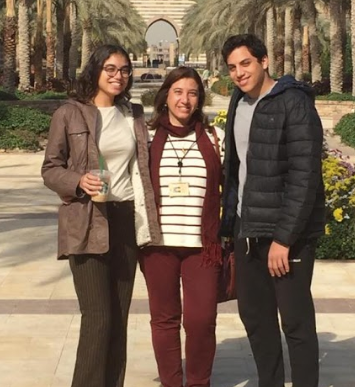
  • Ragai, manager at AUC's Yousef Jameel Science and Technology Research Center, with her son and daughter -- both AUC students
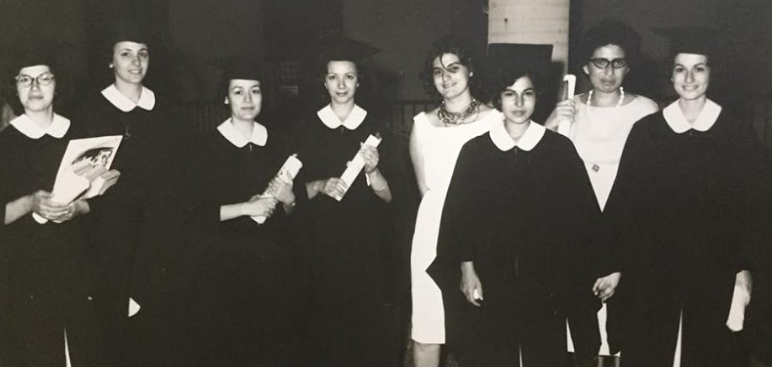
  • Lucy Amin '60 (third from right)

"We are a Jordanian-Saudi family that is proud of its AUCian roots, which go back to the year 1928, when our great uncle joined AUC. There are many more AUCian aunts, uncles and cousins in our family. It is the fond memories at AUC that our family takes back when we travel to our countries."

-- Rania Jabr (MA '90)
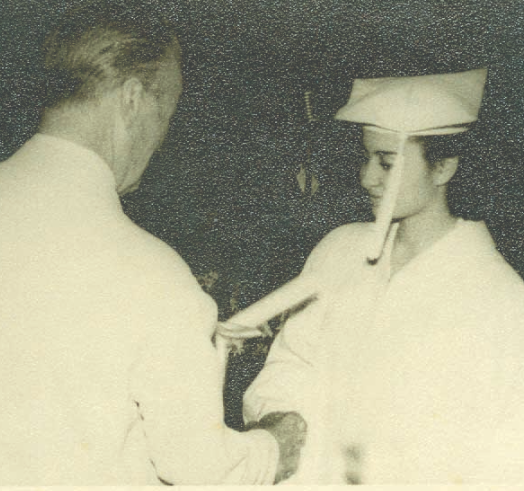
  • Grandmother Najwa
    Al Imam '58
  • Daughter
    Rania Jabr (MA '90),senior instructor II at
    AUC
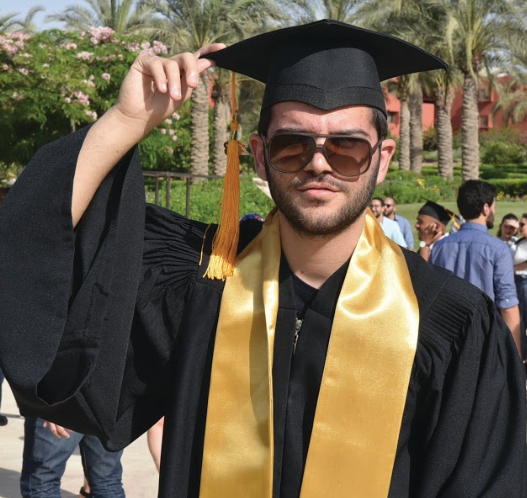
  • Grandson
    Bassel Al-Dabbagh '18

  • Grandfather Ahmed Shafic Abou Oaf (MA '77)
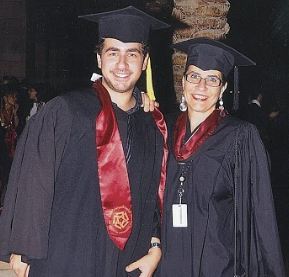
  • Daughter Mervat Shafic Abou Oaf '88, '02
    (right), professor of practice in the Department of Journalism and Mass Communication;
    with her son Adham Zidan '09, '14
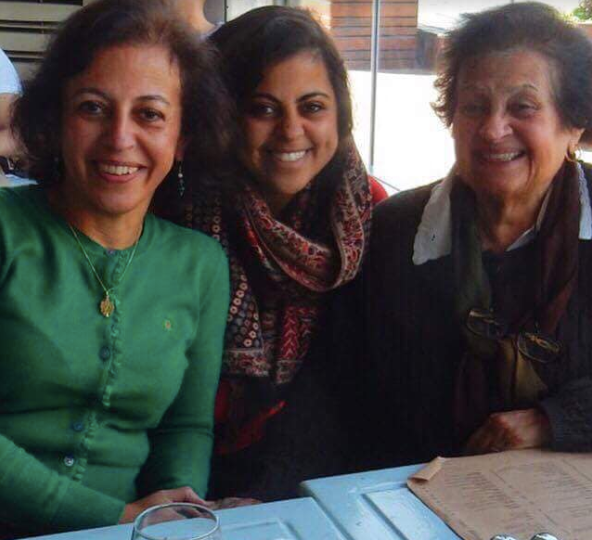
  • Grandmother Mary Dafashy '75 (right),
    mother Mona Makramalla '85 (left) and
    daughter Sara Meleika '11

 
Share

The Big Move

The Big Move
March 12, 2019
auc garden
<?xml encoding="UTF-8">

By Tess Santorelli | Photos by Ahmad El-Nemr

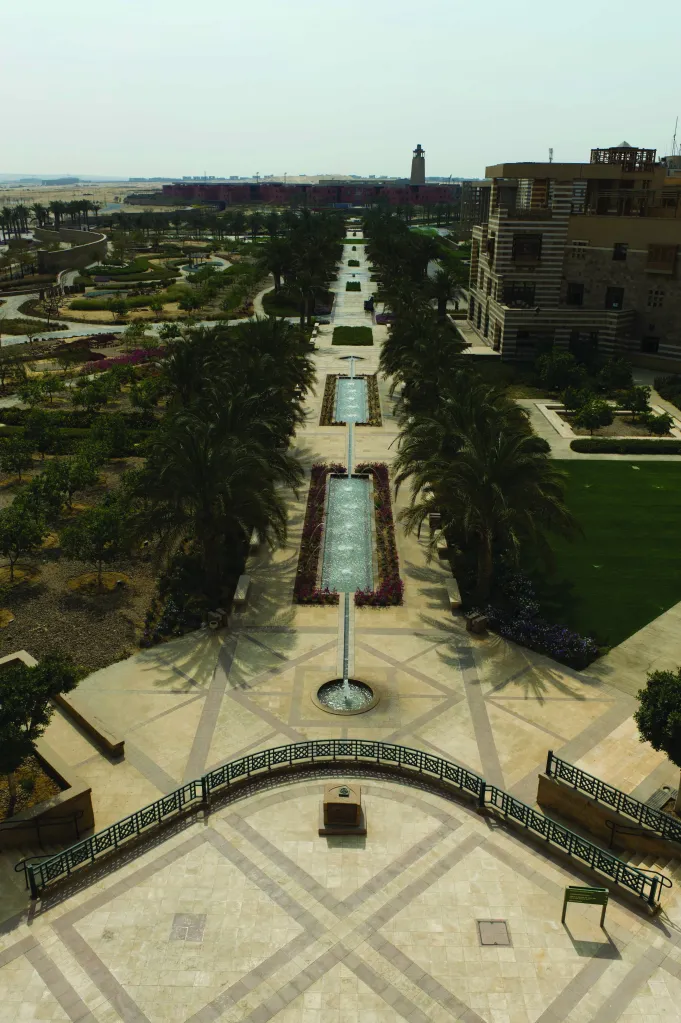
While AUC is celebrating its centennial, another important University birthday is happening this year -- the 10-year anniversary of the New Cairo campus. 
 

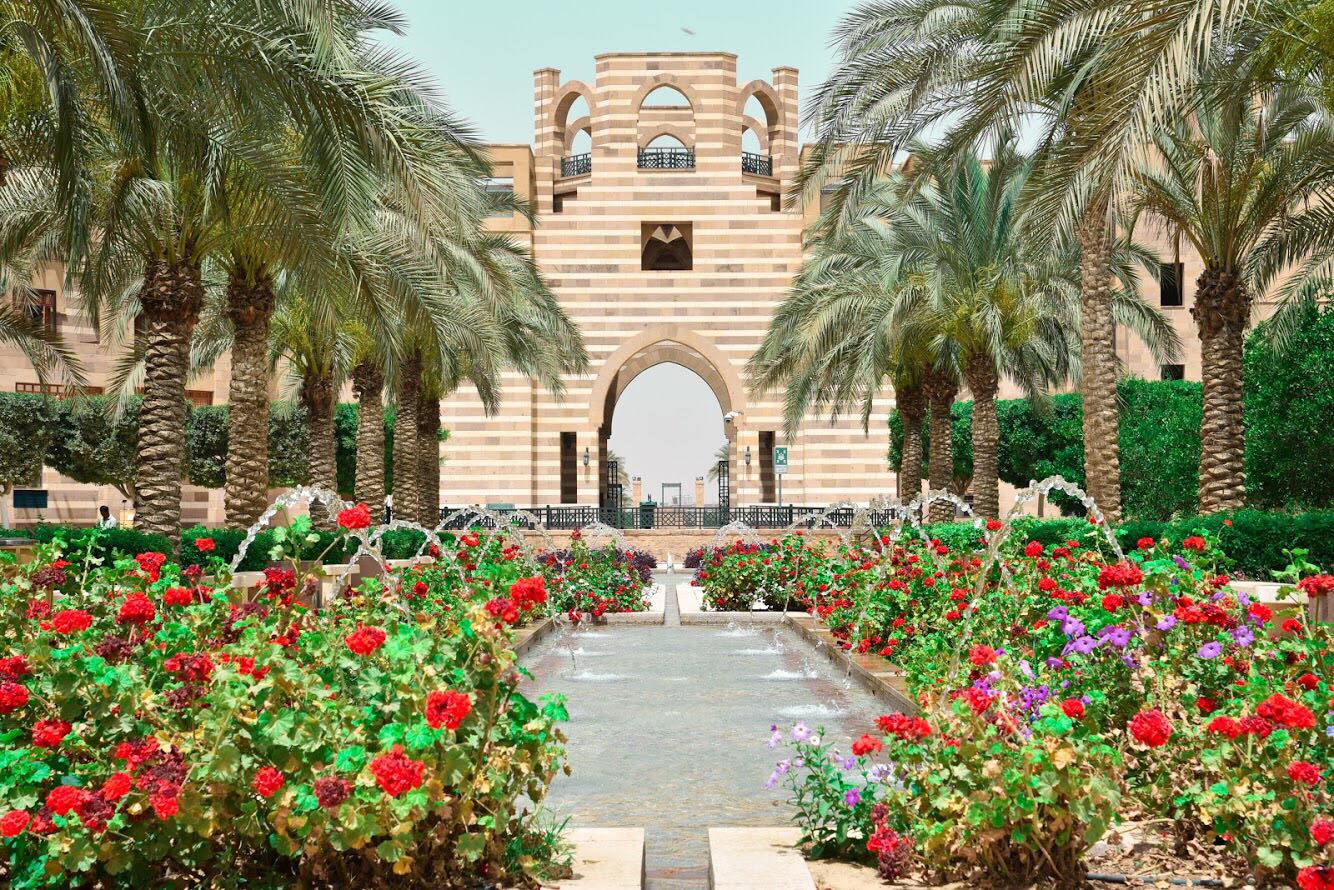
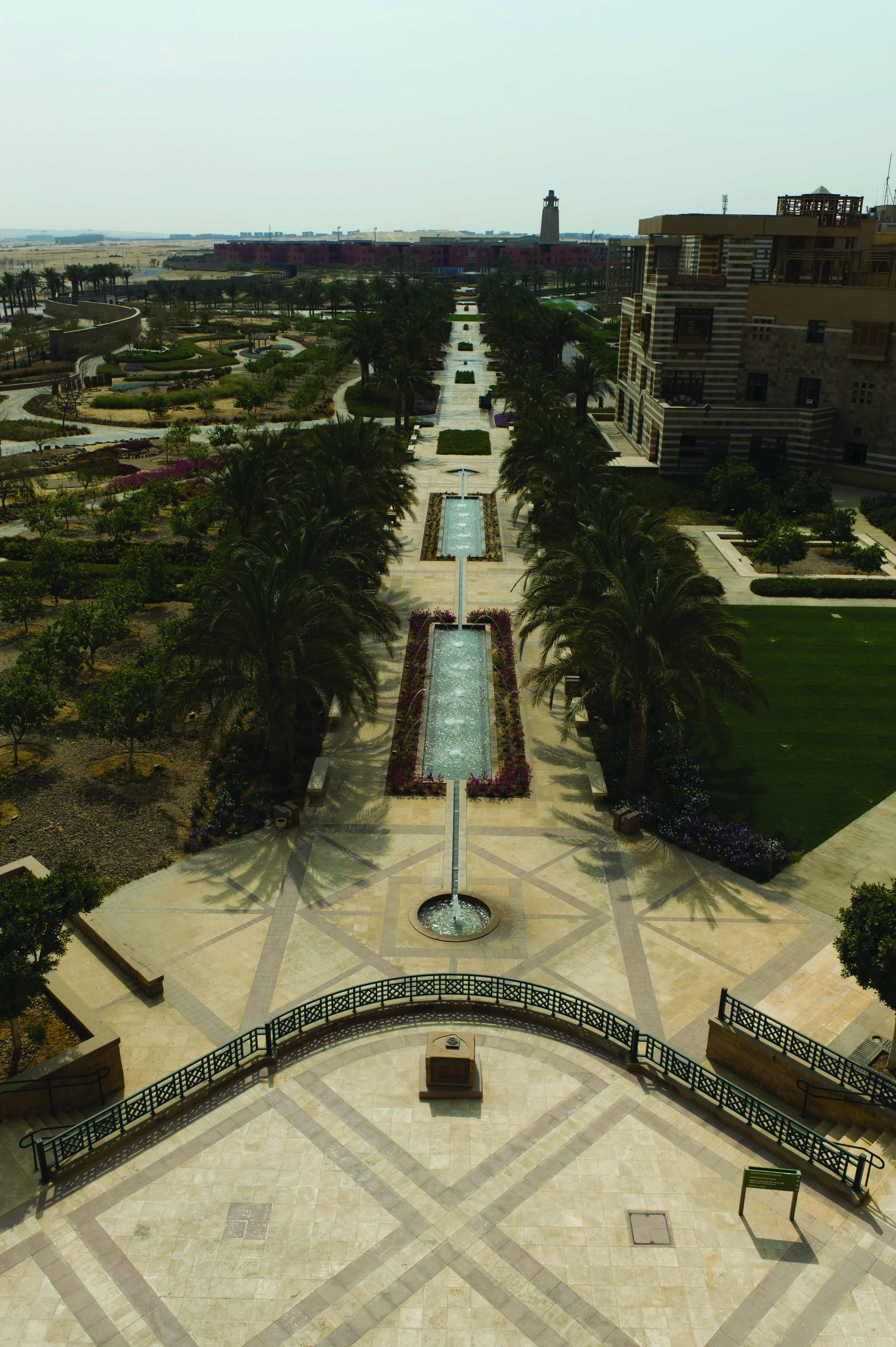
In 2008, AUC made history with the establishment of a new campus, designed from scratch, in New Cairo. After the decision to move from AUC Tahrir Square was made, the University purchased 260 acres of land in 1997 for its new home at the center of New Cairo. An international team of architects and planners made up of seven firms from three countries designed the campus. 
 

Throughout the planning phase, it became increasingly obvious that this would not be a process of simply moving the old campus to a new location. The New Cairo campus -- despite following the roots of AUC Tahrir Square -- would have its own unique identity and would continue to evolve and mature over time. 
 

In designing the campus, the team sought to capture the international identity of the AUC community as well as the multidimensionality of the liberal arts curriculum in an architecturally diverse space. Inspired by Egypt's history of advanced engineering practices, they revived traditional processes for cutting stone and sourced materials from Upper Egypt to build up the walls, bolstering the campus with the strength of a brilliant past. In 2009, one year after the relocation, the University received a special award from the Urban Land Institute for the design and construction of AUC New Cairo, now ranked as the top green campus in Africa. 
 

  • AUC Portal
     
  • AUC Portal

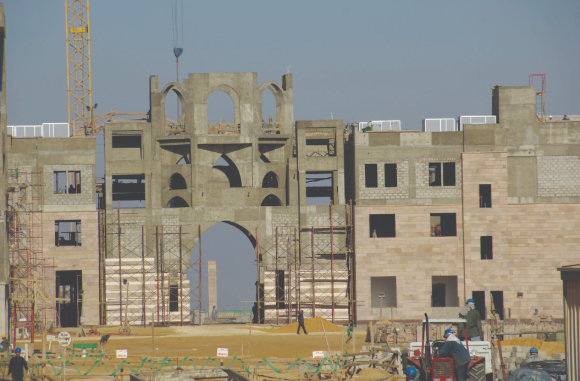
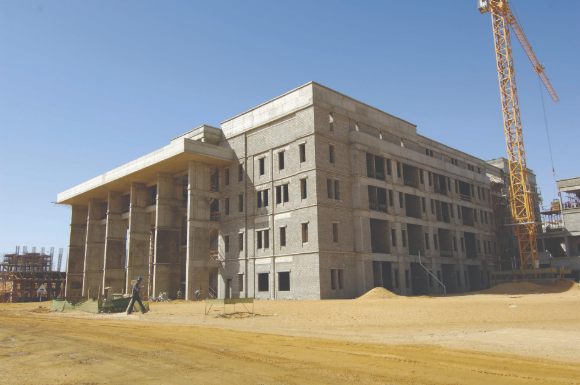
Built using 24,000 tons of reinforcing steel, as well as 115,000 square meters of stone, marble, granite cladding and flooring, the campus weaves Egyptian urban and architectural traditions into a modern campus and is designed to be accessible to people with disabilities. Sandstone for the walls of campus buildings is all from a single quarry in Kom Ombo, 50 kilometers north of Aswan. The stone arrived by truck in giant multi-ton blocks, which were cut and shaped for walls, arches and other uses at a stone-cutting plant built on the site. 
 

The new campus launched a wave of growth in New Cairo. What was once a slowly developing suburb flourished into a lively community with public performances, plays, exhibitions and special events, extending Cairo's rich arts scene to the area and making AUC a cultural hub. The growing campus life sparked the surge of a bustling urban landscape in the area, attracting the numerous businesses, restaurants, cafes, shopping centers and residences that now populate the city, and in turn, contributing to the economic development of the New Cairo district. 
 

  • AUC Library
  • AUC Library

Abdelhalim Ibrahim Abdelhalim, principal of Abdel-Halim Community Design Collaborative, led the international team in executing the master plan and architecture principles for the design and construction of AUC's New Cairo campus. He said in his first encounter with the campus being used that he was worried his team "lost the way."

"[Now], the campus is realizing itself," Abdelhalim noted. "A community is being created, and I'm not sure that it's the same community that was in downtown Cairo. It's different, and I'm glad to hear that. During the planning process, we assumed that it is a must to follow the roots of the old campus, but we discovered that the new campus is actually much more complex than just simply moving the old campus. I think the campus is now entering its maturity. It has already evolved and will continue to do so." 
 

In its relocation, AUC foresaw an opportunity to foster increased engagement with its surrounding community and trigger the positive development of the New Cairo area. The historic move created a new frontier for AUC to continue to lead as Egypt's global University.


Share

The Century Committee

The Century Committee
May 19, 2019
auc-tahrir-campus

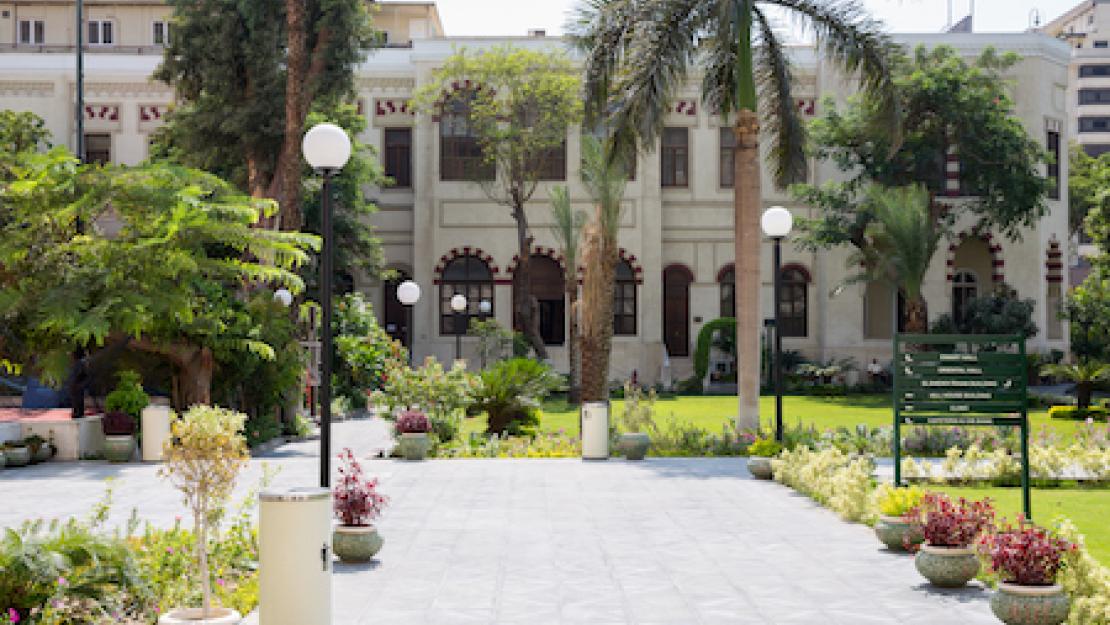
The earliest discussion of the need for a new campus, exclusively built for the purpose of higher education, began just two years after the University was founded in the city center in 1919.

Those discussions were put into motion shortly after the University's 75th anniversary, with the establishment of the Century Committee in 1994 to begin looking toward AUC's centennial. Consisting of trustees, faculty, alumni and friends of the University, the committee was charged with recommending guidelines and priorities for AUC's future development -- with particular attention to its educational philosophy and long-term mission.

There was concern among the committee regarding congestion on the Tahrir Square campus due to the fact that some faculty members had to have their offices in rented apartments. In general, there was a need for more space. The consensus was that postponing relocation to some future time might become prohibitively expensive and unaffordable for AUC. It was time to act.

Jehane Ragai '66, '68, professor emerita of chemistry, served as the School of Sciences and Engineering representative on the committee. She was also chair of the Subcommittee on Higher Education in Egypt and the Middle East, which was tasked -- among other things -- with determining whether or not AUC's campus should remain in downtown Cairo or consider moving some or all of its activities to a suburban area in the future. The subcommittee determined there was no further room for growth in its downtown location and recommended relocation. Though the Century Committee "reluctantly" agreed to the principle, Ragai said she is "strongly convinced that it was a timely and wise decision."

Share

AUCians at First Regional AFS Youth Assembly

Two students smile at the camera at the Regional AFS Youth Assembly
Celeste Abourjeili
May 26, 2025

Earlier this month, 14 AUCians joined young changemakers from the MENA region at the first-ever Regional American Field Service (AFS) Youth Assembly in Cairo to tackle urgent issues like climate change, education and food security.

Inspired by the United Nations Summit of the Future, the regional assembly met for one day to discuss the needs and interests of future generations while calling for meaningful participation of youth in forums for progress. Junior Jannah Hella, who attended on behalf of AUC and is a representative of the student-led organization Heya: The Women’s Initiative, said, “Having these discussions in Cairo, surrounded by passionate peers, made the issues feel even more urgent and relevant to our region.”

The theme was “Leading with Purpose: Empowering Generations to Create the World We Want,” bringing together youth and older generations to dissect topics of global importance. It consisted of four panels focused on climate change, the future of learning, foot security in MENA and Africa, and innovation for the future. 

“These themes couldn’t be more relevant,” said Hella. “The MENA and Africa are already facing the consequences of climate change, from water scarcity to disrupted agriculture, making the discussion extremely urgent. We need solutions designed by those who understand the region’s context and challenges, and that’s why youth must be involved.”

Sophomore Nathaly Thoma of the AUC Folklore Troupe also represented the University at the regional assembly. “I think the overall theme and panel topics are quite significant for our region,” she said. “I especially appreciated how the discussions emphasized the importance of empathy and inclusivity, even in areas like innovation, which are often seen as purely technical.”

"We need solutions designed by those who understand the region’s context and challenges, and that’s why youth must be involved.”

The conference sought to create a space where young voices can be heard and youth can engage with experienced leaders. “Being in a space where my ideas were taken seriously was incredibly empowering; it made me feel seen, heard and motivated to advocate for change in my own community,” Hella said. “I hope that this assembly inspires more youth to step out of their comfort zones in order to learn new things about themselves as well as the world they live in. 

“Investing in youth is the best way of investment for our future,” Thoma added.

Ultimately, this network sought to serve as a catalyst for action, enabling participants to create lasting change through mentorship opportunities for growth and sociocultural exchange. “My main takeaway is the fact that peace can be achieved through cross-cultural programs … [The Regional AFS Youth Assembly] revealed a fresh and powerful perspective on how peace can be fostered at the grassroots level,” said Thoma.

Hella has big hopes for the assembly’s future, from continued youth involvement to real community-based change: “I would love to see the ideas we shared turned into action. I believe in the AFS mission because it goes beyond empowering individuals; it builds a global community that lasts for generations.”


Photo caption: Jannah Hella and Nathaly Thoma attend the Regional AFS Youth Assembly alongside 12 other AUCians.

Share