The Legacy Continues
By Claire Davenport
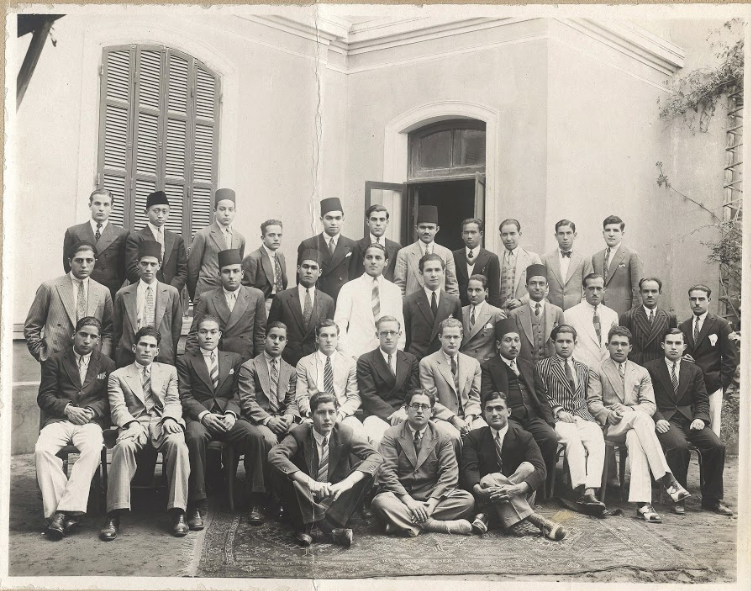
When Charles Watson, AUC's first president, founded The American University at Cairo 100 years ago, he originally had his sights set on a campus by the Pyramids of Giza, offering secondary and University-level education. Today, AUC has expanded into a different side of the desert, growing from 142 students when it first opened its doors in October 1920 to a thriving student body of almost 7,000 students.
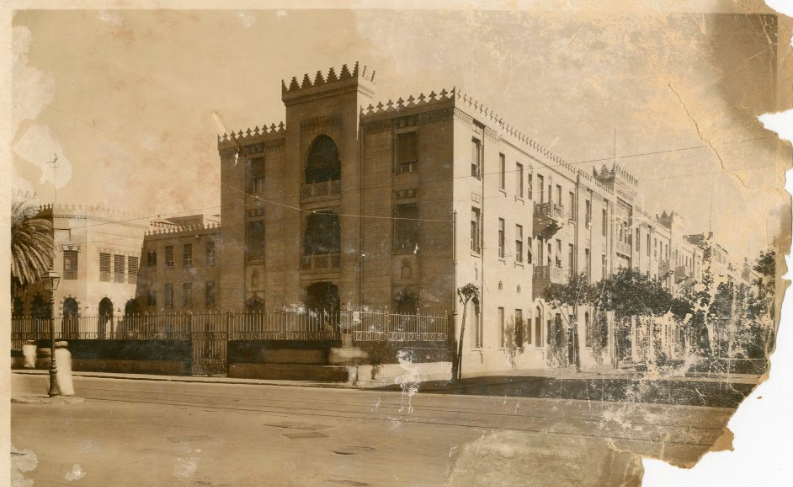
 Property initially owned by AUC in Giza, where the campus was first going to be located.
From the beginning, AUC was committed to implementing a new method of schooling in Egypt, broadening the definition of learning by striving to serve its host country and the greater international world. Founded in 1919 by Charles Watson, the University has continually proved its dedication to both American and Egyptian values. Born to missionary parents and raised in Egypt, Watson wanted to establish a University with Christian values based on American institutions and catered toward Egypt. Its original mission to be a gateway between the United States and the Middle East, to give back to its community and to endow generations of students with creativity, critical thinking and a well-rounded character makes AUC what it is today -- Egypt's global University.

Liberal Arts: Reimagining the College Program
Watson was a man who believed that good character could be learned and that freedom of discussion promotes creativity and ingenuity. Stemming from these beliefs was his desire to establish an interdisciplinary, value-oriented University that would encourage strength of character and provide quality education. Establishing a University is no small feat, especially a private international institution with AUC's caliber.
 Charles Watson, AUC's founding president.
"What set Watson's ideas apart from the hundreds of other foreign-run institutions in Egypt, however, was a determination that the new institution also should be a university offering advanced professional training in such fields as education, engineering, commerce, journalism, theology and law."
When the University was founded, Egypt's system of higher education consisted of professional schools with specialized programs in law, the arts and the sciences. There were also no liberal arts substitutes for the specialized schools available, so Watson's vision to build AUC on the American concept of a four-year, undergraduate liberal arts curriculum was a deviation from the norm. As Lawrence Murphy noted in The American University in Cairo, 1919-1987, "What set Watson's ideas apart from the hundreds of other foreign-run institutions in Egypt, however, was a determination that the new institution also should be a university offering advanced professional training in such fields as education, engineering, commerce, journalism, theology and law."

An important element of the American liberal arts education Watson called for was diversified studies. In the early years of AUC's founding, science majors took English and social science courses, and the University's public-service-oriented curriculum ensured that students were equipped with social science skills to meet Egypt's needs. "Specialization was, therefore, discouraged," Murphy noted. "Students studied as many subjects as possible, familiarizing themselves with the major concepts of each discipline through required courses in science, literature, philosophy, and the social sciences. ... At the same time, however, each pupil was required to study Arabic to remain in contact with his own society." The curriculum also focused on character building, including moral and religious studies, as well as physical training and athletics to develop sportsmanship, teamwork and positive health practices among students.
In the beginning, classes were kept small. Students had weekly meetings with professors, and essays were emphasized more than exams. As Watson explained in the University's 1933 commencement address, "It [education] calls for the abandonment of the memorizing system of education." Watson implemented these policies to ensure that students were able to get the most out of their liberal arts studies.
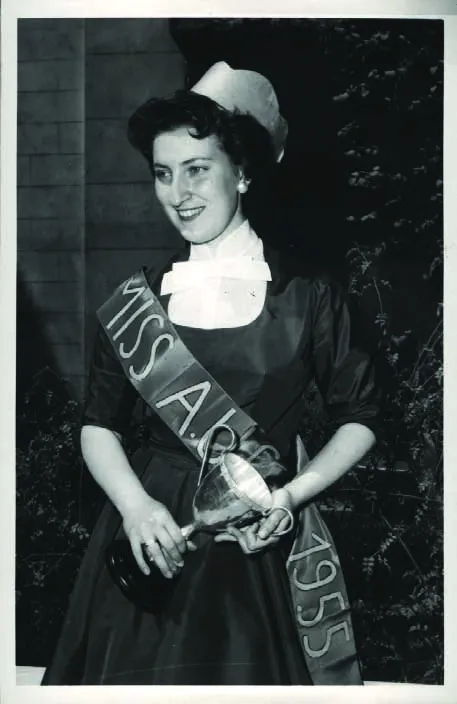
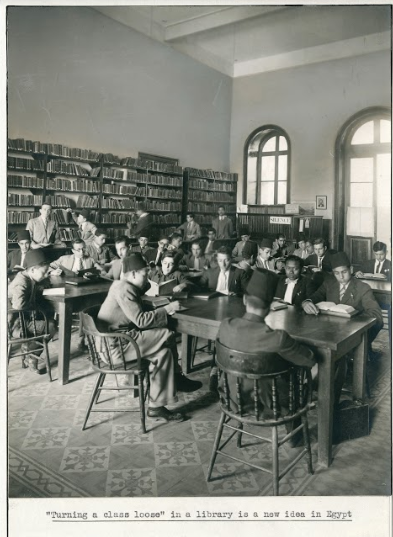
Hands-on curricula also distinguished AUC as an institution. As Murphy noted, "One AUC objective was to introduce new instructional techniques into the Middle East." Instead of memorization, AUC faculty members used a variety of methods to make their classes thought-provoking, participative and hands-on. In science classes, each student was given his own apparatus to perform his own experiments and prove the validity of scientific theories -- a costly initiative uncommon in Egypt at the time, when most science courses were taught through demonstrations by the professor. Science students also visited factories in Cairo and formed their own Science Club. Similarly, English professors encouraged students to speak in English through Speak English on Campus campaigns and a campus spelling bee that was sometimes broadcast on the local radio station. Desserts were also offered to those who spoke English during the lunch hour. In journalism classes, articles and pictures were first posted on a bulletin board, then students issued the first University newspaper, The AUC Review, in 1925 -- a four-page paper covering AUC personalities, news for the student body, official announcements and editorials on campus issues. The AUC Review also started sponsoring the Miss AUC Contest in 1931. In addition, classes and student clubs sometimes put on programs during the daily assemblies.
These efforts have consistently paid off. In 1930, nearly 75 percent of AUC students who sat for the government examinations passed, and AUC graduates were admitted for advanced work in countries such as the United States, Britain, Switzerland, France and Germany. In addition, New York State recognized AUC's Junior College Certificate, issued after studying for two years at the University, as being equivalent to two years of American college work. This qualified AUC students for admission to professional schools in the United States.
Today, liberal arts remains at the heart of an AUC education. Most students earn a third of all credits outside of their major or minor requirements. Through the Core Curriculum, all students take courses in writing; language and information literacy; philosophic and scientific thinking; Arab history; literature and society; and foundational classes in the natural sciences, social sciences and humanities. Through these diversified courses, students debate new ideas and actively participate in class discussions, helping them make connections across their studies, encouraging them to think critically and develop a creative approach to problem solving, and equipping them with lifelong skills to excel in our fast-paced world. This American-style, inquiry-based liberal arts education -- emphasizing a learning-by-doing approach and teaching students not what to think, but how to think -- is what Watson had laid emphasis on from the beginning. In our modern world, as was the case in the University's early years, AUC's alumni continue to pursue graduate studies at top universities abroad. They distinguish themselves across the world as leaders, innovators and change agents, from heads of state, ministers and philanthropists to business founders, scientists, artists and global champions.
"AUC owes a duty to the community in which it is located."
Cocurriculars: Beyond the Classroom
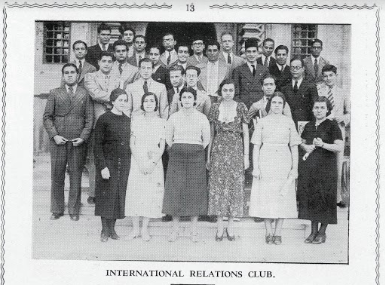
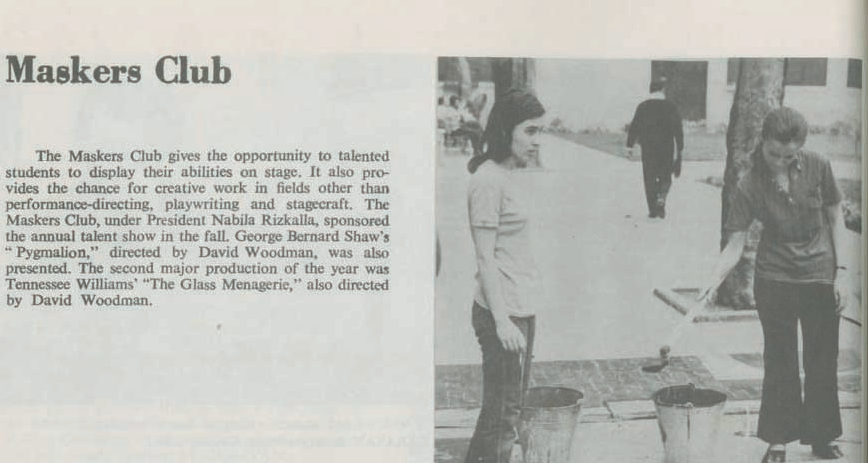
AUC also offers its students something very distinct within the region: a cocurricular education. Participating in activities outside of the classroom was valued by the University's first administration, and students were expected to join at least one club in the early years. Throughout its history, AUC developed a diversity of cocurricular clubs: the Student Union, AUC's earliest organization that was mainly focused on community service as well as moral and religious issues; the Ramses and Penatur societies, which emphasized literature; the French-oriented Moliere Club in the mid-1920s; the popular Maskers Club; the International Relations Club; and the Folklore Troupe in the 1960s.
Out of all cocurricular activities, theatre especially flourished. The first play ever to be produced on campus was Monsieur Beaucaire, performed during the commencement exercise of 1926. Going forward, students began to see theatre as a place to feel out new perspectives and possibilities while practicing English.
C. Worth Howard, the second head of AUC's English Department and after which Howard Theater in AUC Tahrir Square has been named, promoted drama to not only improve spoken English among students, but also as a form of self-expression. "Plays were presented at assemblies in conjunction with commencement, and for the general public," Murphy wrote. "Students took all the parts, with boys playing female roles when necessary. They also constructed the scenery, distributed tickets and handled all other aspects of the production."
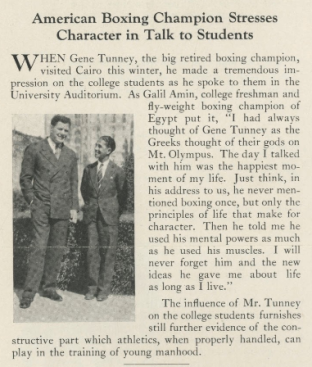
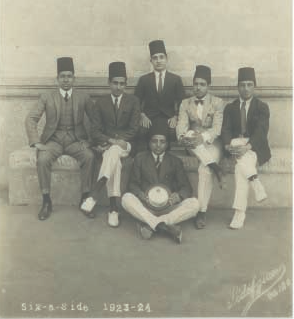
Students were also required to attend weekly assembly lectures that included anything from performances to ethical talks by distinguished visitors. An end-of-year essay contest measured what students learned from the talks, and notable speakers included Egyptian feminist Madame Bahmy Bey Wissa, boxing champion Gene Tunney and commander of the U.S. Navy Admiral Roger Welles. The assemblies also included singing, music, plays and programs by classes or student clubs. In addition, Sports Day, initiated in 1921, saw AUC students competing in drill exercises, tug-of-war, races, volleyball, basketball, wrestling, jumping, tumbling and lifting weights, as well as throwing the discus and javelin.
For AUC instructors, this was all evidence that some of the most significant learning experiences take place outside of the classroom. Indeed, faculty members began to take students on field trips. One year, Professor Erdman Harris took a group of students on weekends to areas within Egypt experiencing health and sanitation problems to study the relationship between these conditions and infant mortality, disease and dysentery. Another class taught by Harris surveyed the social agencies in Cairo. Years later, students who participated in these cocurricular activities noted that such projects "stimulated their first interest in solving their country's many social problems," as Murphy noted. These initiatives reflected the faculty's desire to equip students to carry on the legacy of inquiry in the future, using their studies to improve life within Egypt.
A century later, cocurriculars remain one of the distinctive aspects of an AUC education. AUC's 60 student-run organizations reflect the diverse interests of the student body, ranging from community service, academic, culture and special interests to student government and conferences. The University also has several student-run publications, including the Caravan newspaper and AUC Times magazine.
Emphasizing the importance of activities outside of the classroom, AUC recently launched the cocurricular transcript, the first-of-its-kind in the Middle East. A model found at U.S. universities, AUC's cocurricular transcript formalizes and officially documents the wide array of cocurricular activities in which students participate. This includes not just student organizations, but also participation in orientation, the Undergraduate Research Program, Career Center, Academic Community Engagement courses and athletics. In conjunction with traditional academic transcripts, the cocurricular transcript is intended to give a more dynamic and holistic perspective on students.

Education as a Public Service: Filling the Void
AUC has always been dedicated to improving life in Egypt. Watson once said that "AUC owes a duty to the community in which it is located," and the expansion of education and commitment to philanthropy have only increased throughout the years. According to Watson's address at the graduation exercises of the College of Arts and Sciences, AUC has "a duty to perform and a service to render not merely to those who are enrolled as regular students, but to the community and the public at large." Along this line, AUC hosted a range of training programs and educational initiatives for Egyptians, mainly through its 95-year-old School of Continuing Education, which was originally called the Division of Extension.
In 1924, the Division of Extension was established to house evening lectures and program series that would benefit society, with a particular emphasis on public health and welfare issues. From the beginning, the Division of Extension was supposed to deal with "Mr. Public," as Watson described it, and its motto was to "educate all the people." Hosting a range of popular public lectures and cultural events, the Division of Extension strengthened AUC's impact on the life and culture of downtown Cairo.
First envisioned by Watson as a public service component of AUC, the Division of Extension began as a forum for lectures by well-known speakers, such as Egyptian intellectual Taha Hussein. Speakers focused on topics of "immediate concern to Egypt," including population growth, education, and social and economic reform. In addition to lectures and film screenings, the Division of Extension worked on improving people's well-being through village health contests and a campaign to prevent blindness.
In the 1940s, the Division of Extension was also referred to as the "evening college." After almost two decades, it was renamed the Division of Public Service, offering noncredit programs in business, consumer education, playwriting, language studies, accounting, fine arts, family education and secretarial administration.
 Registration in the early years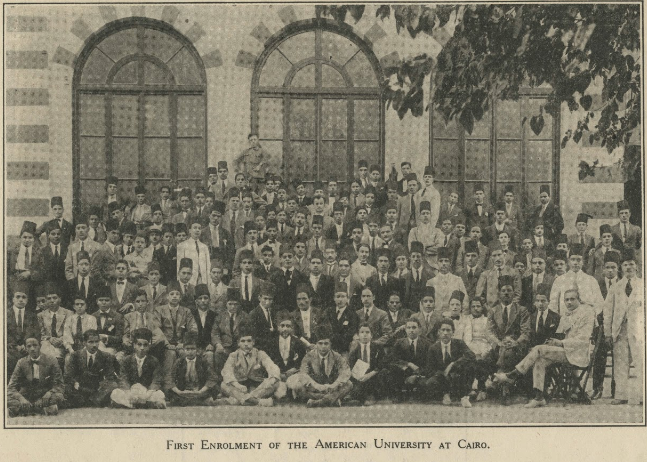
In the 1980s, the Division of Public Service grew tremendously under the guidance of Ralph Nelson, dean of adult and continuing education, expanding its offerings in Arabic and business; creating its own English-language curriculum, tailored to the needs of Arabic speakers; introducing one-year and two-year professional certificates, not just individual courses; and initiating evaluative techniques for faculty members, as well as English proficiency entrance exams for participants.

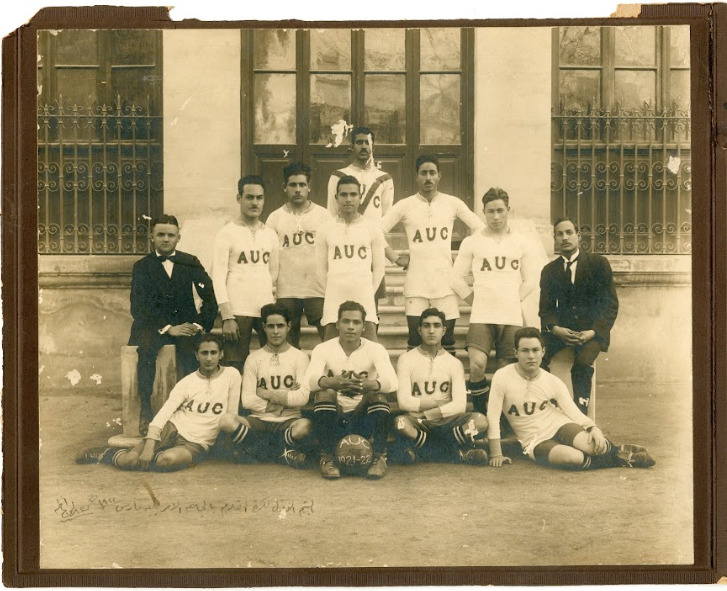 AUC's first soccer team, March 1922
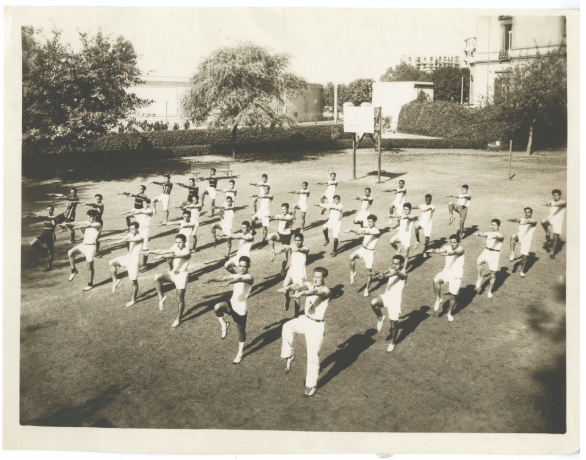 Athletics and physical exercise were a core part of AUC's curriculum
The Division of Public Service later became known as the Center for Adult and Continuing Education, and expanded during AUC President Richard Pedersen's tenure to include outreach and full-time career programs in different parts of Egypt, such as Alexandria and Tanta, as well as the Middle East, including Saudi Arabia and Abu Dhabi. In 2006 - 2007, the center was renamed the School of Continuing Education, enrolling approximately 20,000 students per year. With its diversity of programs and offerings, the School of Continuing Education is fulfilling Watson's vision of a University that would provide service to a wide spectrum of the Egyptian public.
 Out of all cocurricular activities at AUC, theatre especially flourish
The Division of Extension was not the only organization focused on delivering educational opportunities. In 1921, the School of Oriental Studies was established to offer noncredit Arabic courses to foreigners. AUC's first graduate degree in 1950, a Master of Arts in Arabic language and literature, was offered through the School of Oriental Studies, which was incorporated in the 1960s into the Faculty of Arts and Sciences as the Center for Arabic Studies. In addition, in 1926, the Education Department provided teachings in modern educational philosophy and instructional techniques. The department created the Journal of Modern Education, "the first magazine in the Arabic language devoted to the general discussion of modern education and the adaptation of progressive principles to the educational problems of the Near East," as displayed on its cover in 1928. Later years saw the creation of the Management Extension Services in the 1970s for governments and companies throughout the Middle East. Management Extension Services offered custom training and courses in whatever language suited the client, "filling a significant educational void," as Murphy noted.
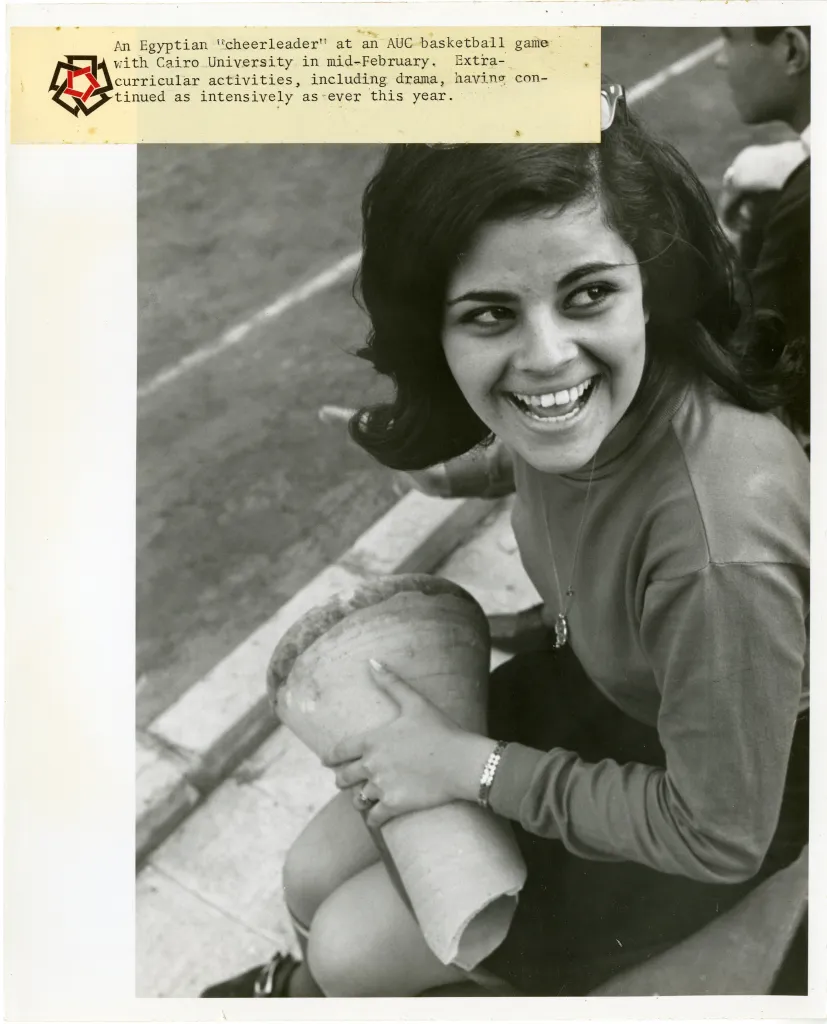
Continuing a Legacy
Today, AUC is still a symbol of international friendship and collaboration, with students, faculty and visitors from all over the globe. But beyond this, AUC has continually set itself apart as an institution devoted to excellence in all areas.
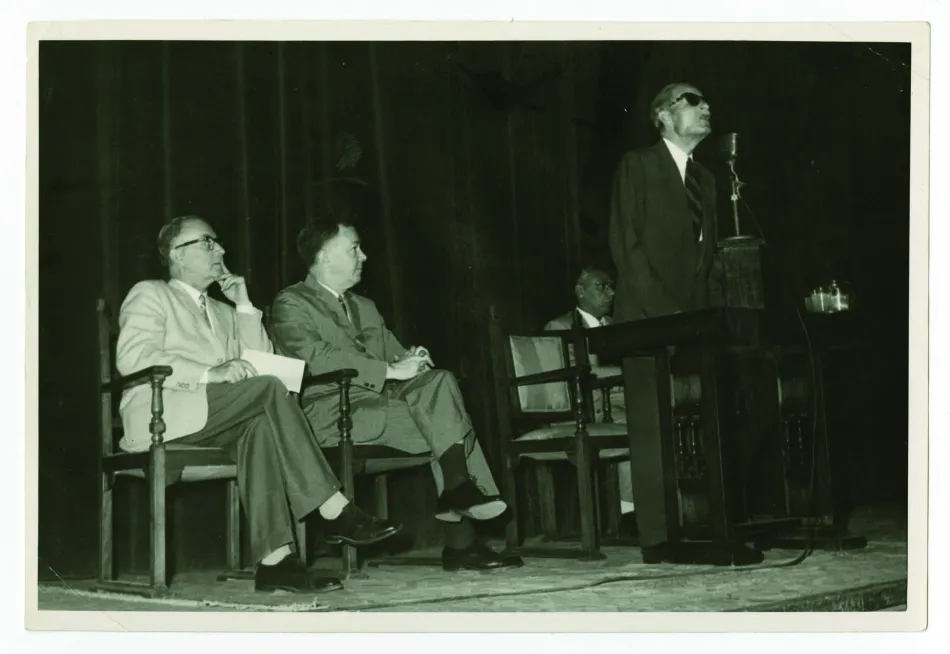 Egypt's Minister of Education at the time Taha Hussein speaks at AUC in the 1950s
Watson's original vision was a school where students gain not just knowledge, but also the ability to relate the things they learn to real life, as well as the motivation to pursue independent thinking and creativity. Looking back on the past 100 years, we can see how Watson's vision is still alive today and will continue to influence future generations of students. AUC will not only continue on the same track, but will keep progressing -- ushering in a new century of excellence, innovation and service.
The Early Days
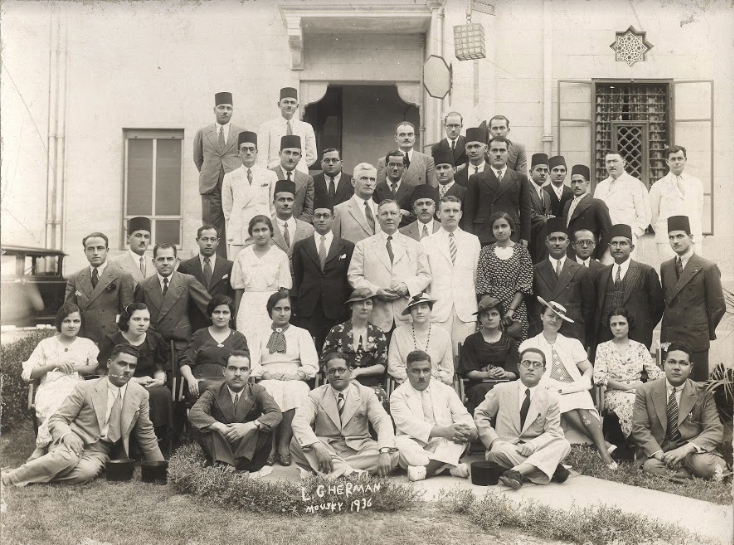
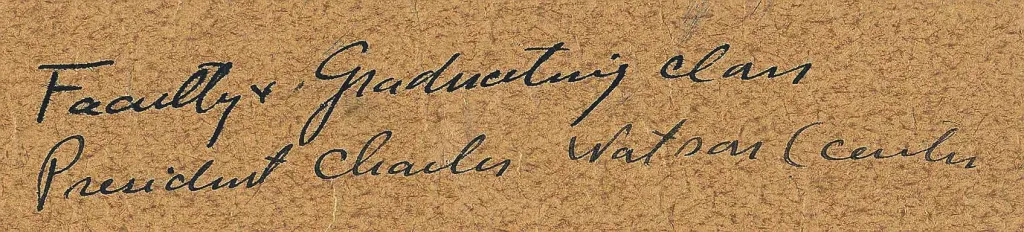
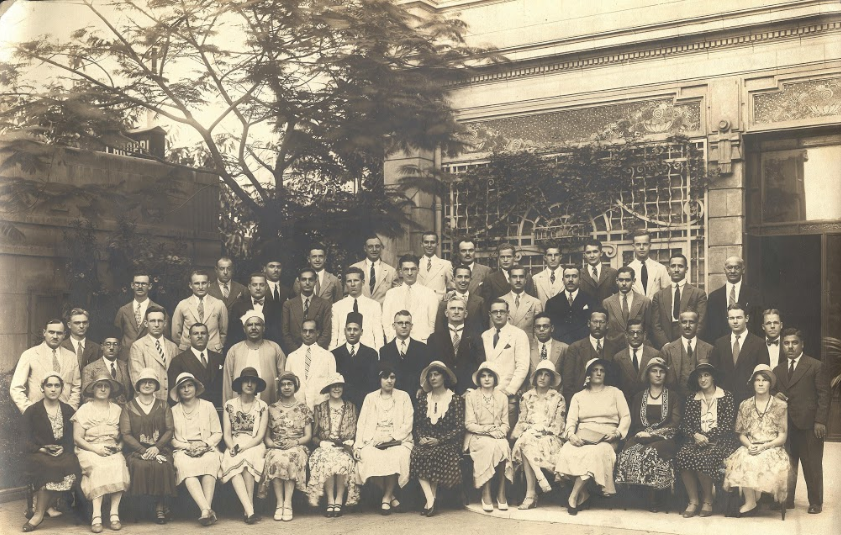
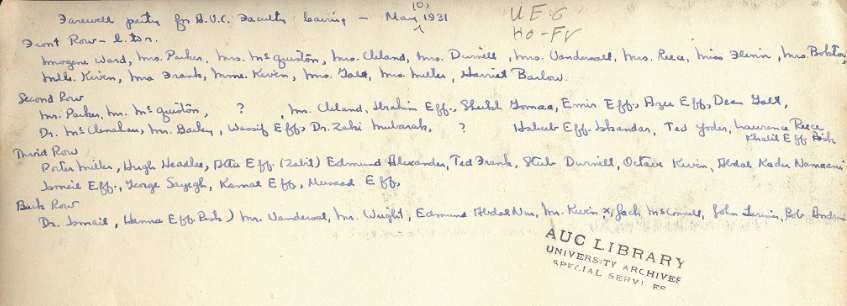
Charles R. Watson
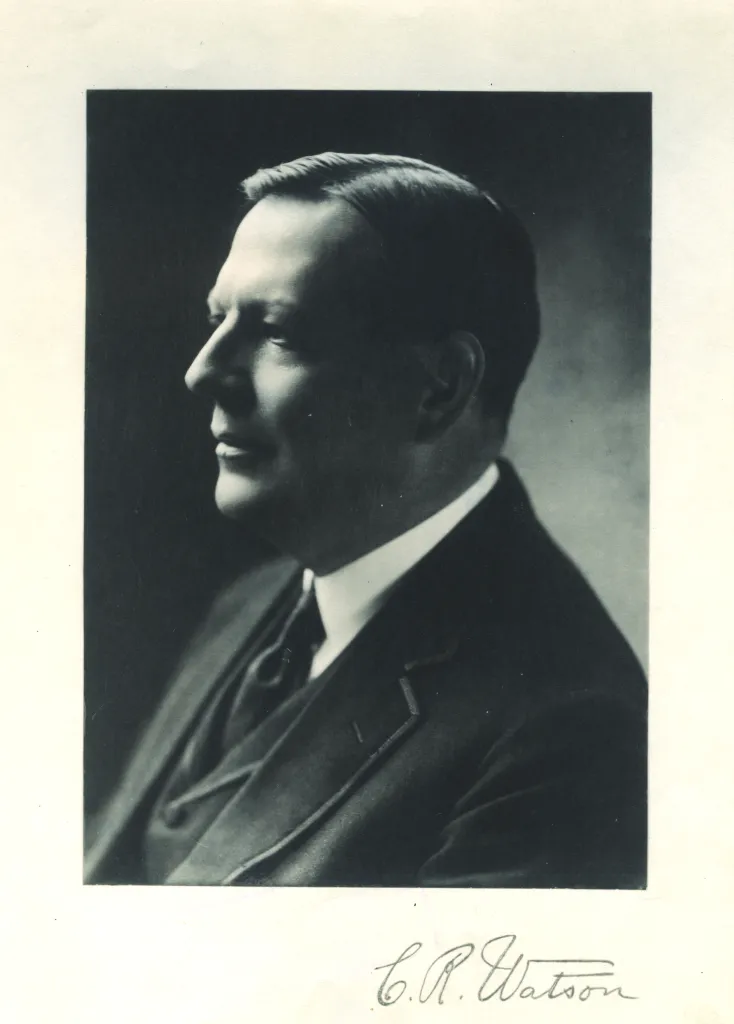
Charles Watson led a life dedicated to the expansion of education and the promotion of Christian values abroad and specifically in Egypt. Born in Egypt on July 17, 1873, Watson received his early education in the country and his PhD from Princeton University's Theological Seminary in 1899. He began his career by taking charge of a mission church in Pittsburgh.
Later, he worked as a teacher and pastor, promoting the works of his church at home and abroad. He was an active member of the Near East Christian Council, a special representative for the Foreign Ministry Board of North America at the Paris Peace Conference of 1919, and was part of an Egyptian commission to study a program of national education for the country in the early 1930s. He studied the educational system in Egypt in the early 1900s, and in 1915, organized the Board of Trustees of The American University at Cairo. The legacy of his life and values are still felt through the University today.
Liberal Arts
"We must have original and creative minds. To develop such minds is to render a supreme service to the country. Yet, this is no easy task. It calls for constant encouragement of the student to think for himself. It calls for the abandonment of the memorizing system of education. It calls for examinations and research work that will encourage independent thinking. It calls for discussions in classrooms and not mere recitations."
"The Place and Program of
The American University at Cairo,"
Commencement Address
May 26, 1933
"Our institution is here to serve Egypt and the population of Egypt. ... The full recognition of this point is fundamental to any consideration of our program and plans. ... The American University at Cairo has from the beginning laid a unique emphasis on character training in education. ... Our education is directed not merely to the student's head and intellect, but also to his heart and moral character."
The Graduation Exercises,
The College of Arts and Sciences
June 5, 1925
Cocurriculars
"No one may secure the diploma of this University without doing more than merely pass examinations on a subject matter. He must give evidence of a total development of life and character that makes him worthy of being called a college graduate. This general development we endeavor to secure by what we call our extracurricular activities."
"The Place and Program of
The American University at Cairo,"
Commencement Address
May 26, 1933
"In our education here, we strive to maintain and even deepen sympathy with the outside world. Not only are our social studies organized for an examination into the problems of Egypt, but the students are taken out to visit hospitals and orphanages, villages and the poorer sections of the city, prisons and factories, so that they may possess this quality so important for every leader, namely, sympathy with the people. ... Sometimes we are criticized for the large place we give in our curriculum to character training, to studies in ethics and to extracurricular activities, but we are persuaded that no part of our training is more important or will contribute more richly to the abiding goal of an independent Egypt."
"The Student, The School, and the Nation,"
Commencement Address
May 28, 1937
Public Access to Education
"Our Division of Extension has been developed in recognition of Mr. Public and of his opinion. It not only recognizes his importance, but it also believes that he can be educated and that, if educated, he can become the greatest force [in] the improvement of a country. That is why this University, through its Division of Extension, has sought to affect public opinion by lectures, by the printed page, by the cinema, by radio, by general gatherings and, again, by smaller forums."
"The Place and Program of
The American University at Cairo,"
Commencement Address
May 26, 1933
"The Department of University Extension ... has for its motto, 'Educate all the people.' In opposition to the familiar business term, '--- Company, Limited,' it has been called 'Education, Unlimited."
The Graduation Exercises,
The College of Arts and Sciences
June 5, 1925









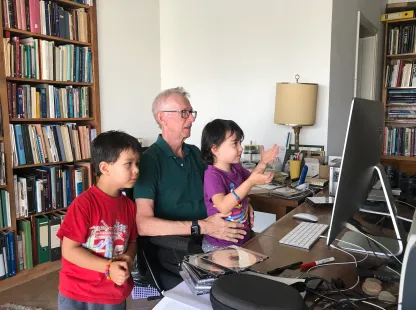



 Around Egypt app
 Breakfast team working under strict health and safety measures
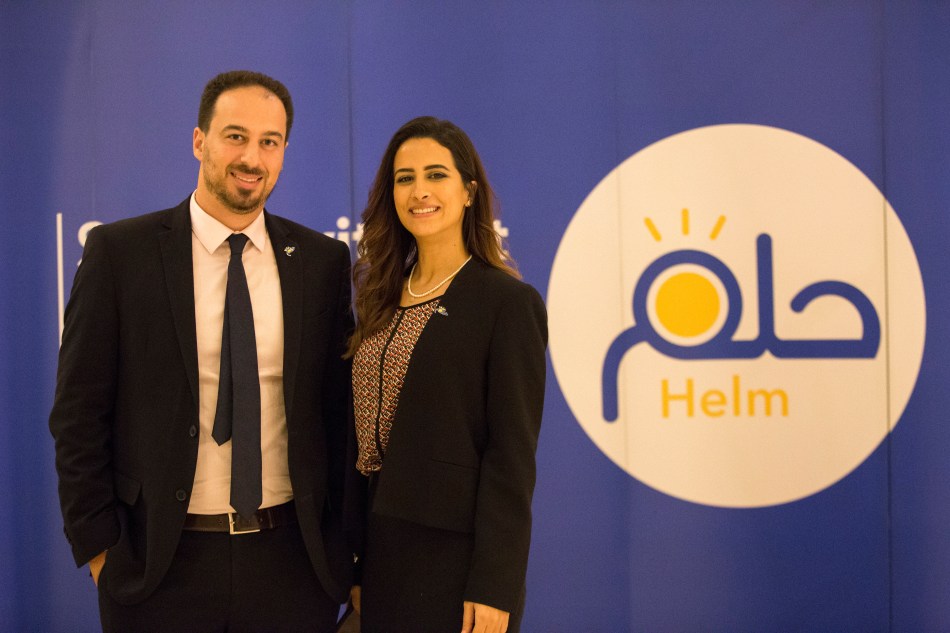

 One of Helm's employees while working from home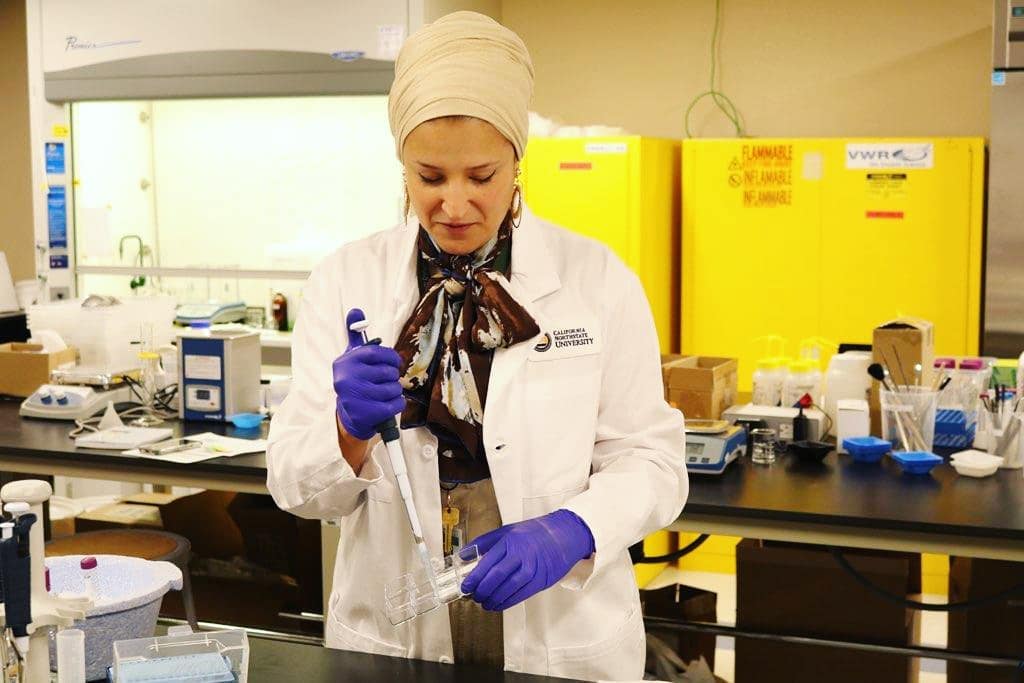









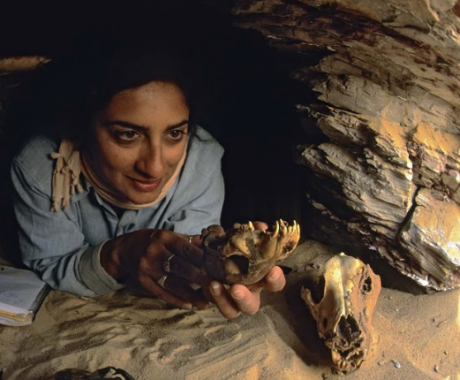
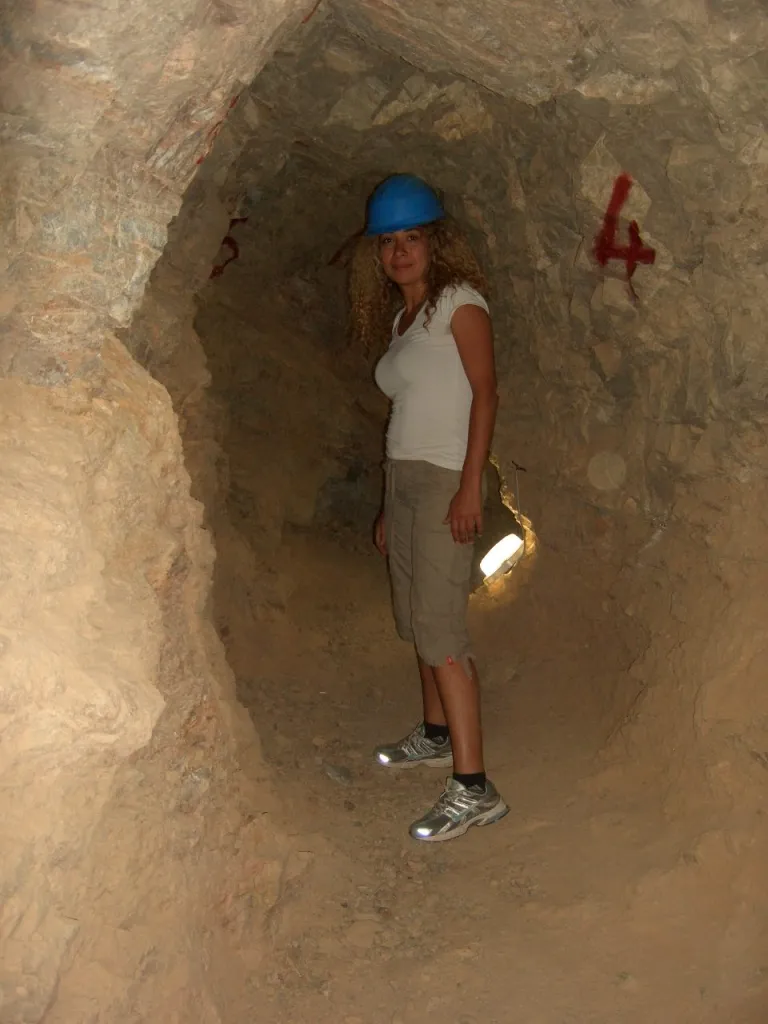 Siam on an excursion to gold mines in the Eastern Desert near the Red Sea to collect samples
 Siam during an AUC-King Abdullah University of Science and Technology expedition to the Red Sea