Future Engineers Intern at Dubai's Burj Azizi
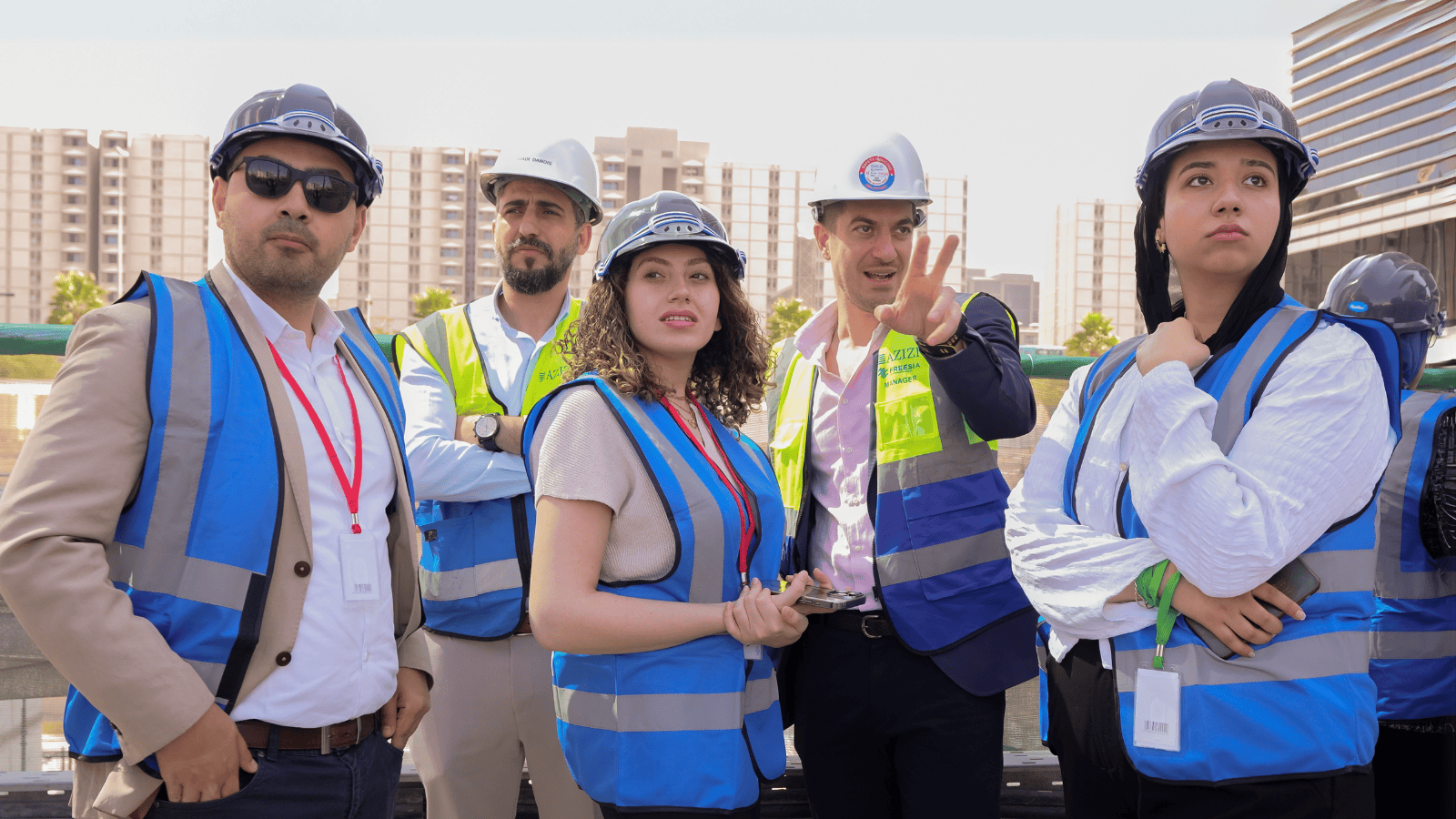
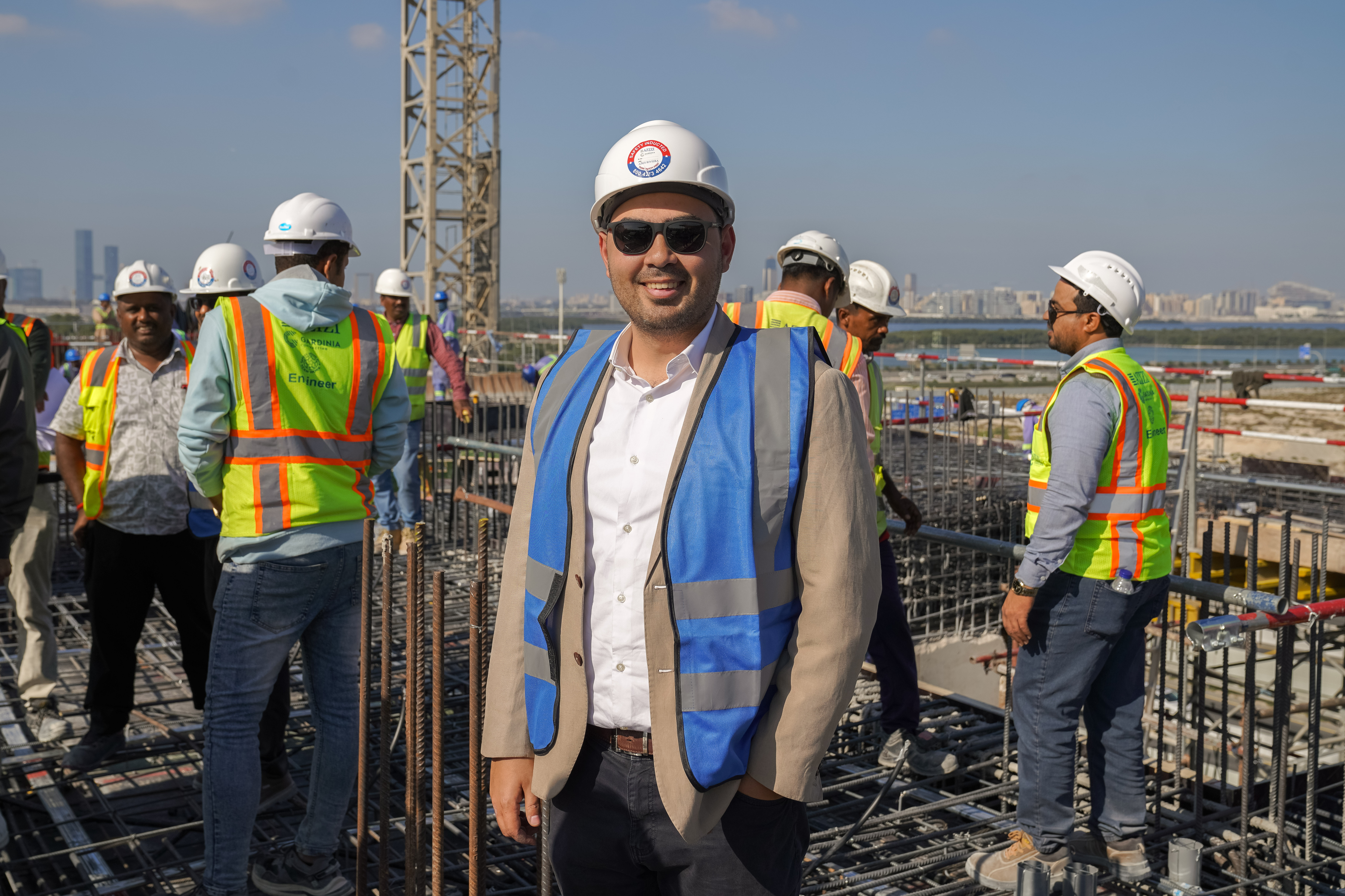
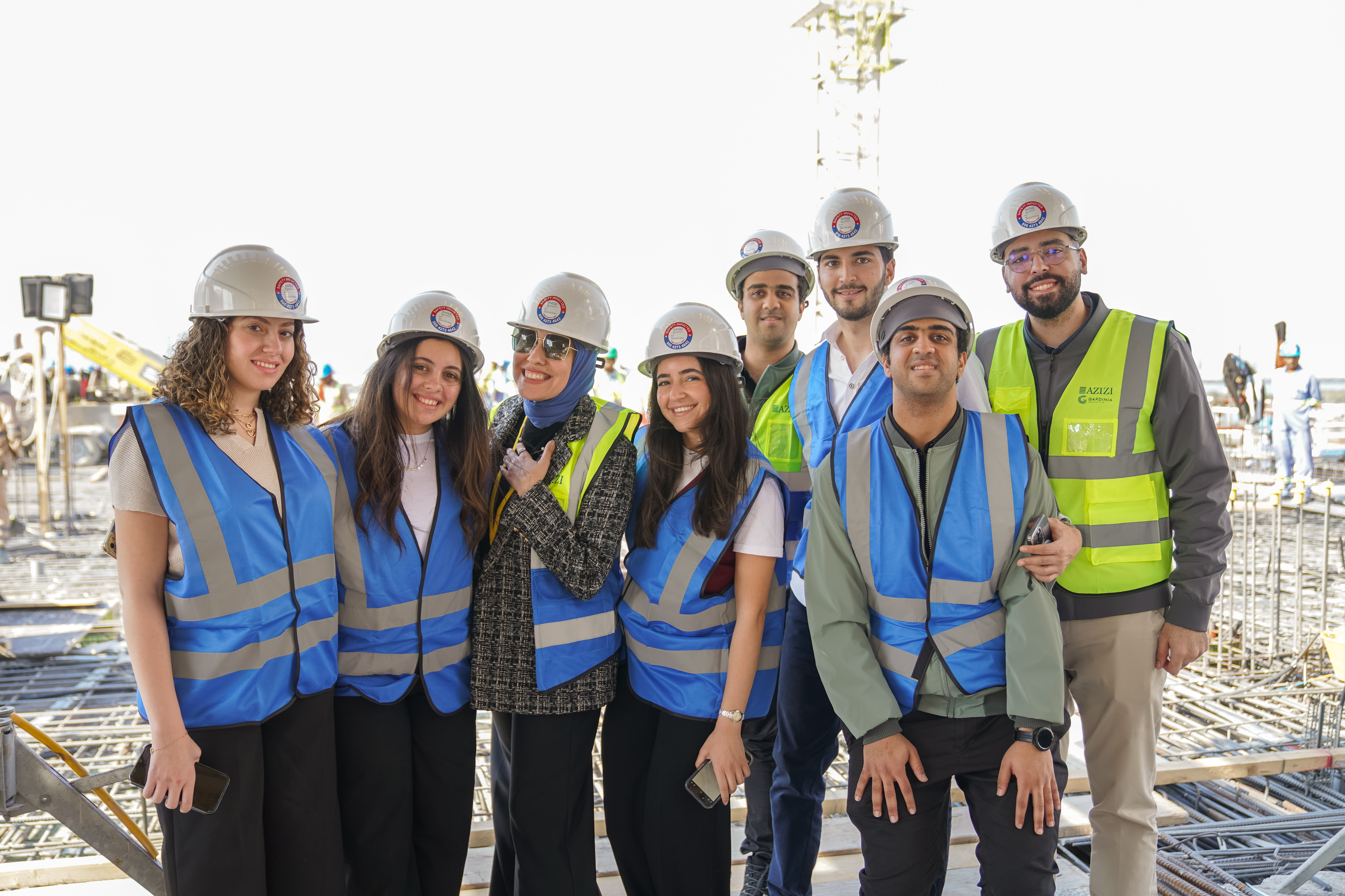
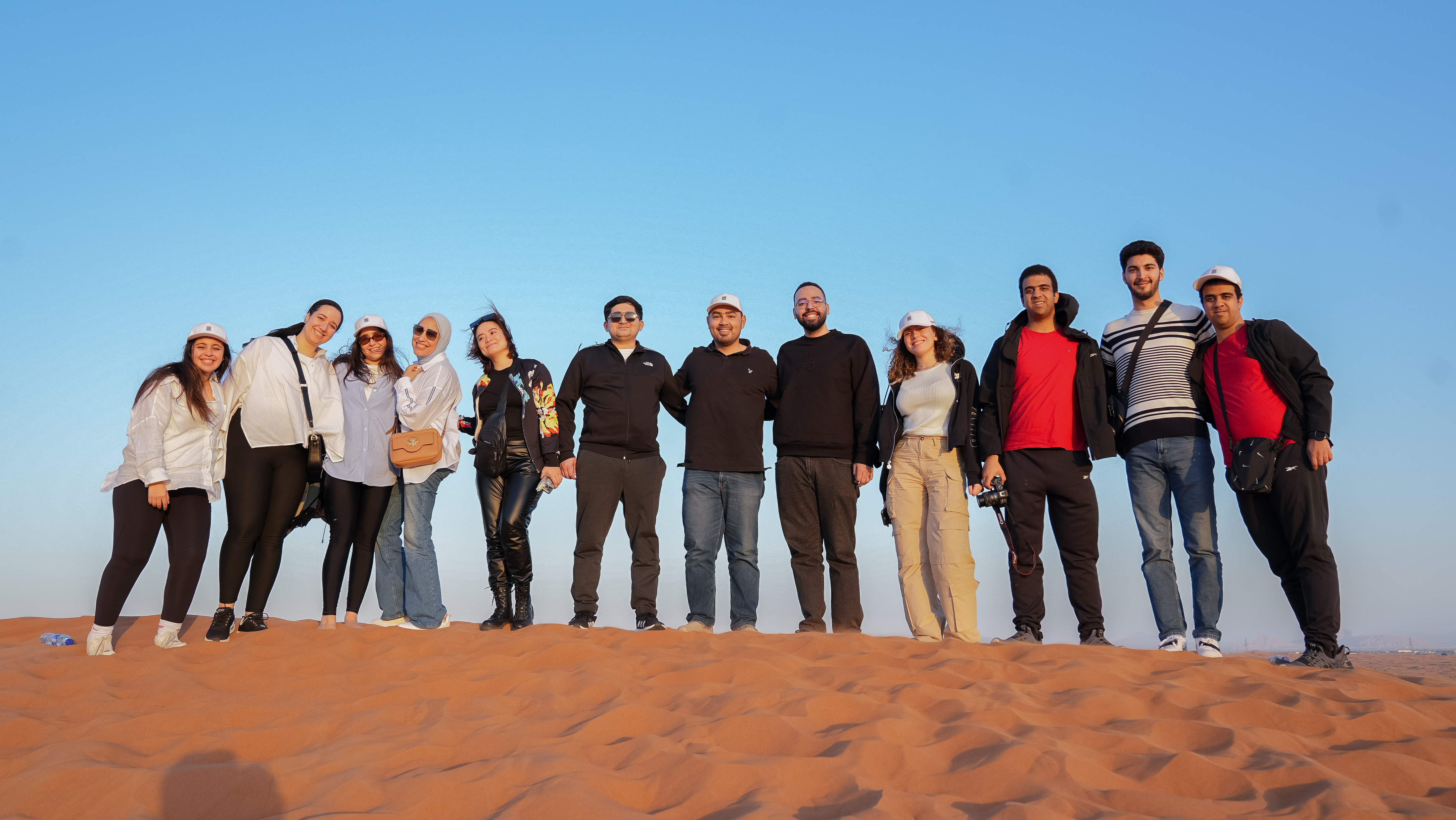
Eight students from AUC’s Department of Construction Engineering completed a weeklong internship at the construction site for Dubai’s Burj Azizi, slated to become the world’s second tallest tower. The internship was part of the Burj Azizi Global University Exposure Program, with AUC being the first university to kickstart the initiative.
"We wanted to start the Burj Azizi Global University Exposure Program in partnership with a leading university in the Middle East," said Kang Sang Ku, project executive director at Azizi Developments and a renowned South Korean engineer who brings over 30 years of international experience managing construction of some of the world’s most prestigious high-rise projects, including Burj Khalifa.
"While we aim to share knowledge, technologies and experience, the students, through their insightful questions, also provided valuable learning opportunities for us as a project team."
Ezzeldin Yazeed, professor and chair of the Department of Construction Engineering, emphasized the importance of this collaboration. “This partnership exemplifies AUC’s commitment to providing world-class educational experiences and preparing our construction engineering students to become innovative leaders of tomorrow,” he said.
Through a mixture of lectures and guided site visits, the students — accompanied by two faculty members — gained in-depth insights into various features of the iconic project, including structural and civil engineering; architectural design; mechanical, electrical, plumbing and construction management plans; and interior design.
“This partnership exemplifies AUC’s commitment to providing world-class educational experiences and preparing our construction engineering students to become innovative leaders of tomorrow.”
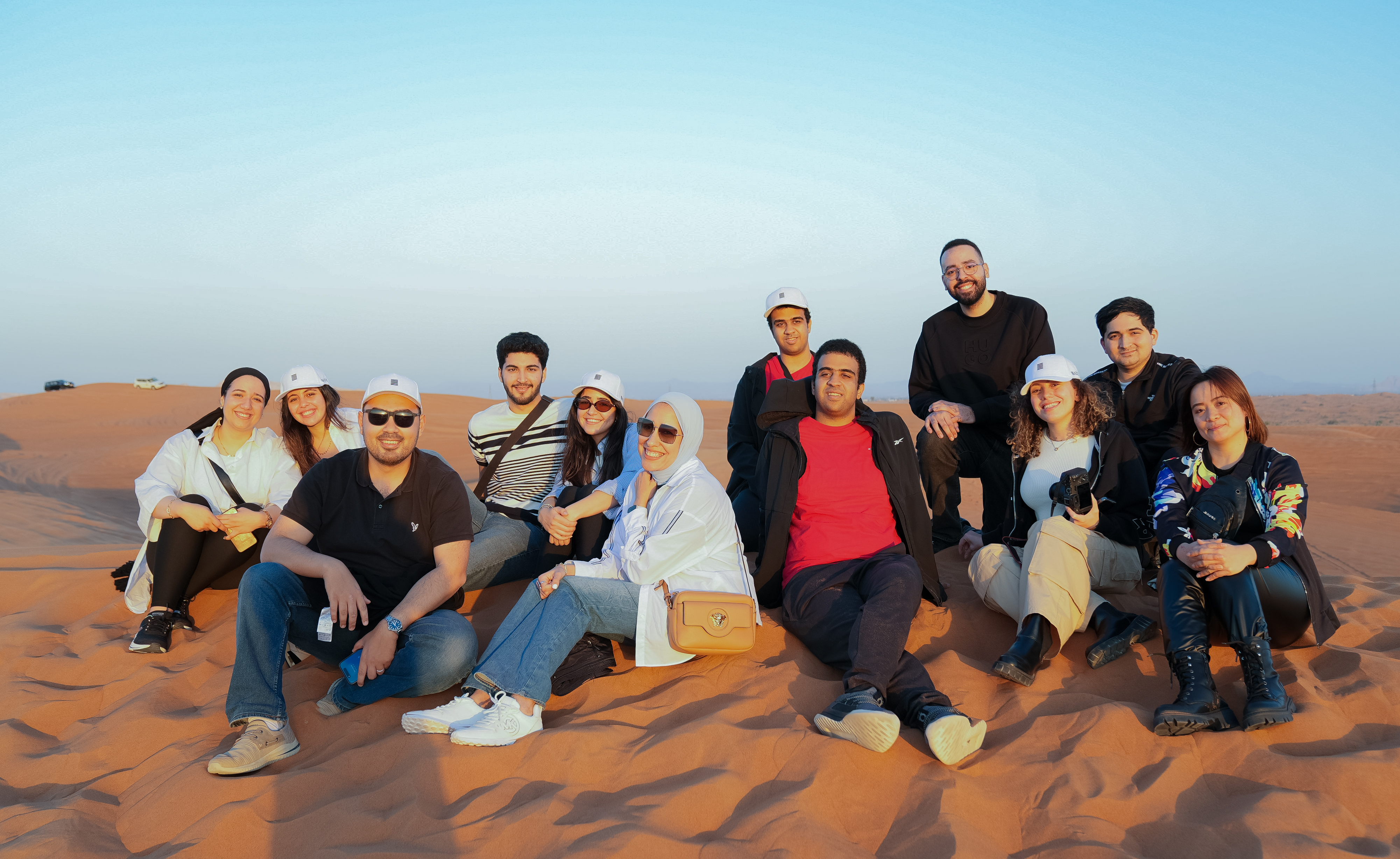
“Our students benefited from the hands-on internship program, which included technical workshops, site visits and cultural experiences,” said Assistant Professor May Haggag ’11, ’16. “They developed a strong understanding of construction techniques, engineering solutions and the complexities of executing large-scale projects.”
Yazeed added, “Our students had the unique opportunity to engage directly with cutting-edge construction technologies and modern skyscrapers building practices — experiences that are indispensable in today’s fast-moving construction industry.”
The group also engaged with senior Burj Azizi executives and experts. "The depth and complexity of the students' questions reflected their curiosity and eagerness to learn," said Cagkan Sivrioglu, the project's senior planning manager. "Their grasp of planning and construction sequences, ability to visualize and interpret, and their application of examples from Egypt’s construction projects, were clear indicators of their understanding."
"We wanted to start the Burj Azizi Global University Exposure Program in partnership with a leading university in the Middle East."
Sang Ku noted how learning was a two-way street. "While we aim to share knowledge, technologies and experience, the students, through their insightful questions, also provided valuable learning opportunities for us as a project team," said Sang Ku. "Their curiosity helps us refine and continuously enhance our project planning and quality standards."
Ibrahim Abotaleb, associate professor and associate chair of AUC’s Department of Construction Engineering, highlighted the importance of career readiness among students. "Overall, it was an invaluable opportunity for our students,” he said. “This experience has left an indelible mark, equipping them with inspiration and knowledge that will shape their careers for years to come."
Aman Amanov, manager of the Burj Azizi Global University Exposure Program, emphasized the importance of equipping students with the skills and forward-looking approach needed to thrive in an ever-evolving job market. "As these students prepare to transition into the workforce as young professionals, I strongly advise them to maintain a keen curiosity about technological advancements and emerging innovations within the built environment," Amanov said. "While a solid grounding in academic knowledge is essential, it is equally important to cultivate adaptability, a results-oriented mindset and a commitment to continuous improvement. Developing critical thinking, proactivity and a growth mindset will be crucial in navigating the challenges ahead."
What the Students Have to Say
Maryam Elshanawany
You can’t miss the opportunity to go and see how hard these people are working, how they are always finding solutions and working as a team to reach their target despite all obstacles.
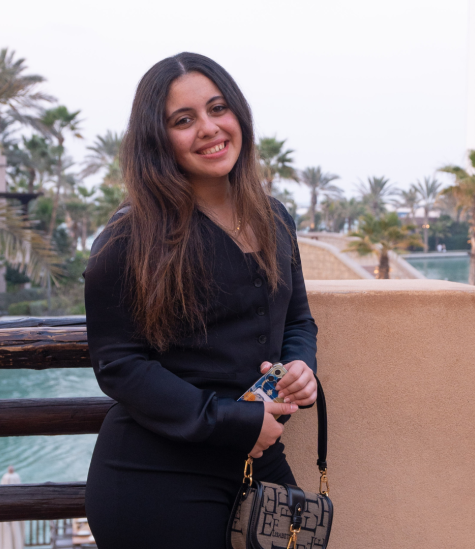
“Everything might look very overwhelming at the beginning, but planning and dedication can make anything work. The way Azizi is actively managing to find alternatives, solutions and utilize their resources is very impressive,” said construction engineering student Maryam Elshanawany, a student in the internship program.
Elshanawany found herself in awe of the construction site itself, especially the way the team utilized every inch to maximize productivity. “The site has very limited space and is located between two main roads, making the construction process really difficult. However, they have planned around these obstacles to reach their goal,” said Elshanawany.
"After this internship, I can’t wait to start my own path in this industry."
She was even more impressed by the immaculate implementation of safety procedures. “They account for anything that can cause any injury or danger and actively minimize or even eliminate its risk, allowing them to keep a record of zero major injuries in all their sites,” she said.
Engaging with experts and industry pioneers reshaped Elshanawany’s mindset and inspired her to continue on her career path. “Honestly, I’ve been rethinking work in the construction industry for a while; however, after this internship, I can’t wait to start my own path in this industry and build more and more great projects,” she said.
Elshanawany was particularly inspired by Chair Mirwais Azizi. “He convinced us that everything is possible with dedication and was greeting and welcoming all of us to come work with him not as employees, but as ‘partners,’ which was really special. One of the most impressive aspects of the company is the sense of ownership that everyone has toward all their projects and to Burj Azizi specifically,” she added.
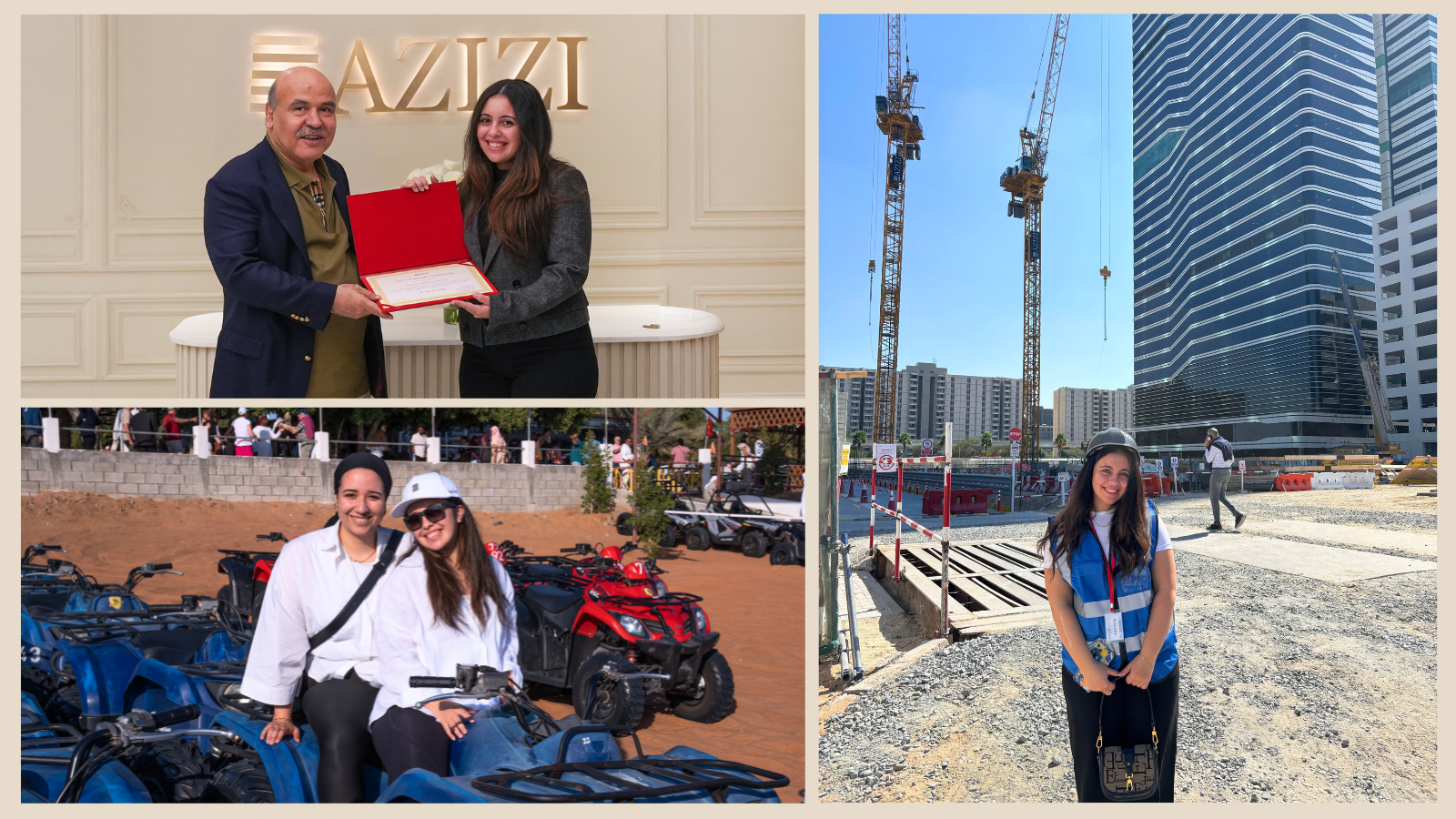
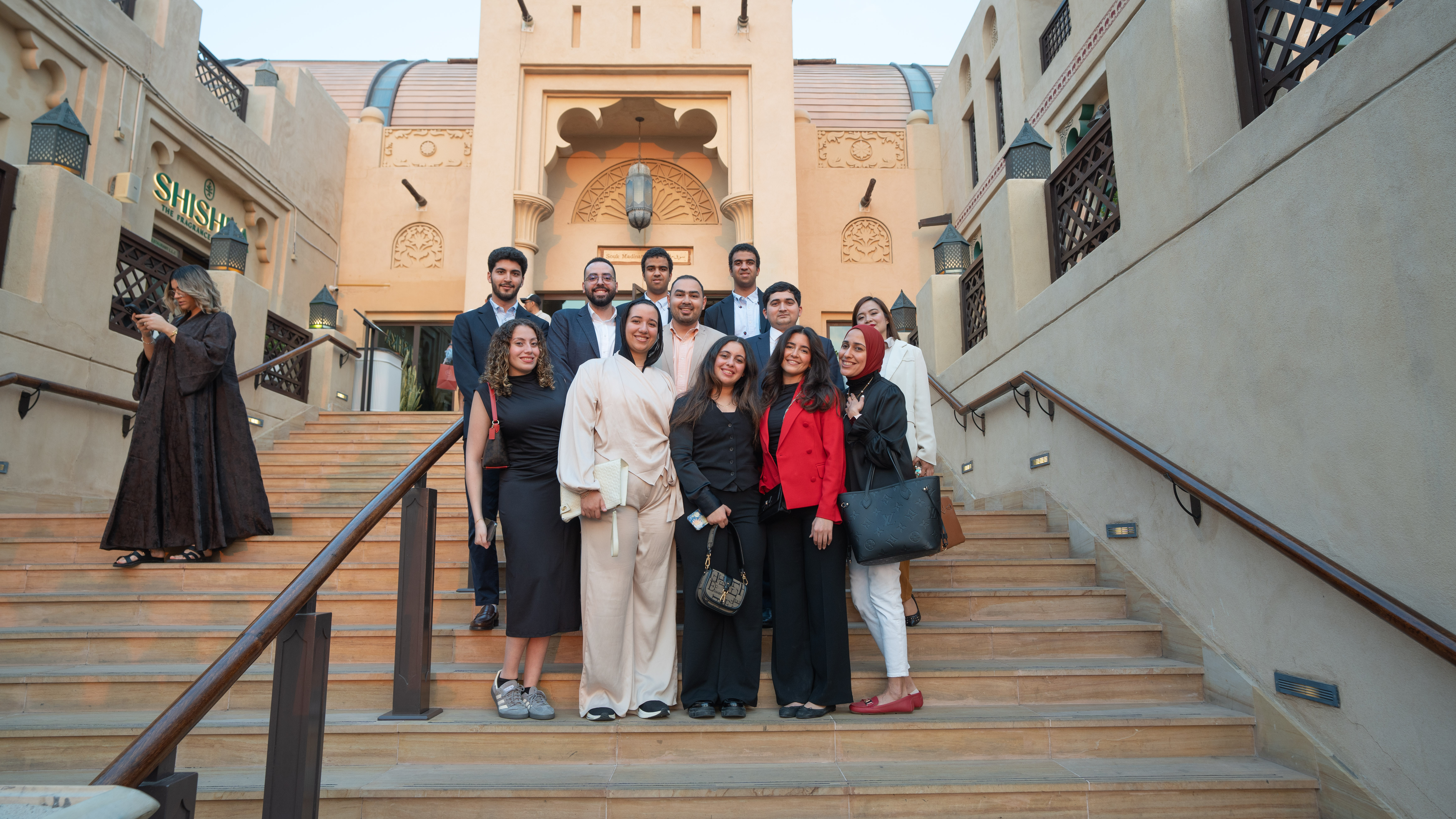
Beyond construction techniques and leadership skills, the students gained real-world skills in networking. Elshanawany said, “Meeting and dining with upper board members was new to almost all of us, and helped us prepare for the work environment and enhance our social skills.”
With a renewed sense of passion toward the industry, Elshanawany is coming home from the internship with new information, techniques in planning and safety measures, and excitement to start working as soon as possible.
For future construction engineering students, Elshanawany said, “You can’t miss the opportunity to go and see how hard these people are working, how they are always finding solutions and working as a team to reach their target despite all obstacles. This internship is so valuable to any construction engineering student.”
Hany Ibrahim
Talking with the managers there helped me make some life decisions and influenced my ideas about where to work after graduation.
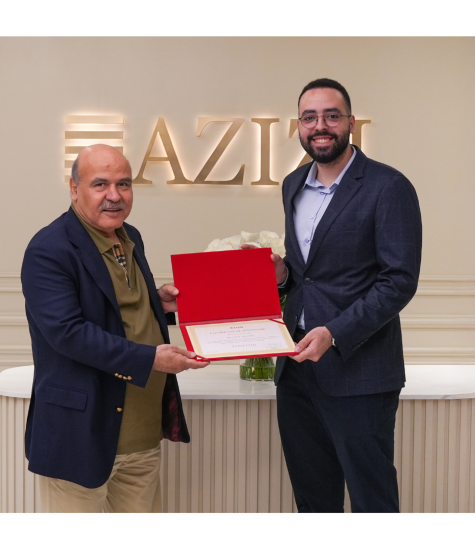
Hany Ibrahim also found himself at the Burj Azizi site through the internship program, and he walked away feeling inspired. “Viewing the site was one of the most beneficial experiences I’ve had,” he said. “It was very well organized and the method of constructing the raft and placing the cranes was exciting because it was so challenging.”
Like Elshanawany, Ibrahim learned valuable lessons from the leaders at the site during the internship. “The most important lesson I learned from the engineers at Azizi Developments is that cooperation between experienced people is the key to solving almost all problems.”
"It really influenced the way I think about life."
By speaking with senior executives and other experts at Burj Azizi, Ibrahim gained even more insight. “Their guidance provided me with a profound understanding of strategic decision making and project execution,” he said.
And meeting with Chairman Mirwais Azizi was “the most meaningful experience during the internship,” according to Ibrahim. “He talked to us about how he became a successful developer and started his journey. It really influenced the way I think about life,” he added.
Ibrahim advises future students to take advantage of the internship opportunity and always ask questions. “Talking with the managers there helped me make some life decisions and influenced my ideas about where to work after graduation,” said Ibrahim. “I now also want to start my master’s degree. This is an outstanding once-in-a-lifetime experience that I hope others get to have.”