Additional Links
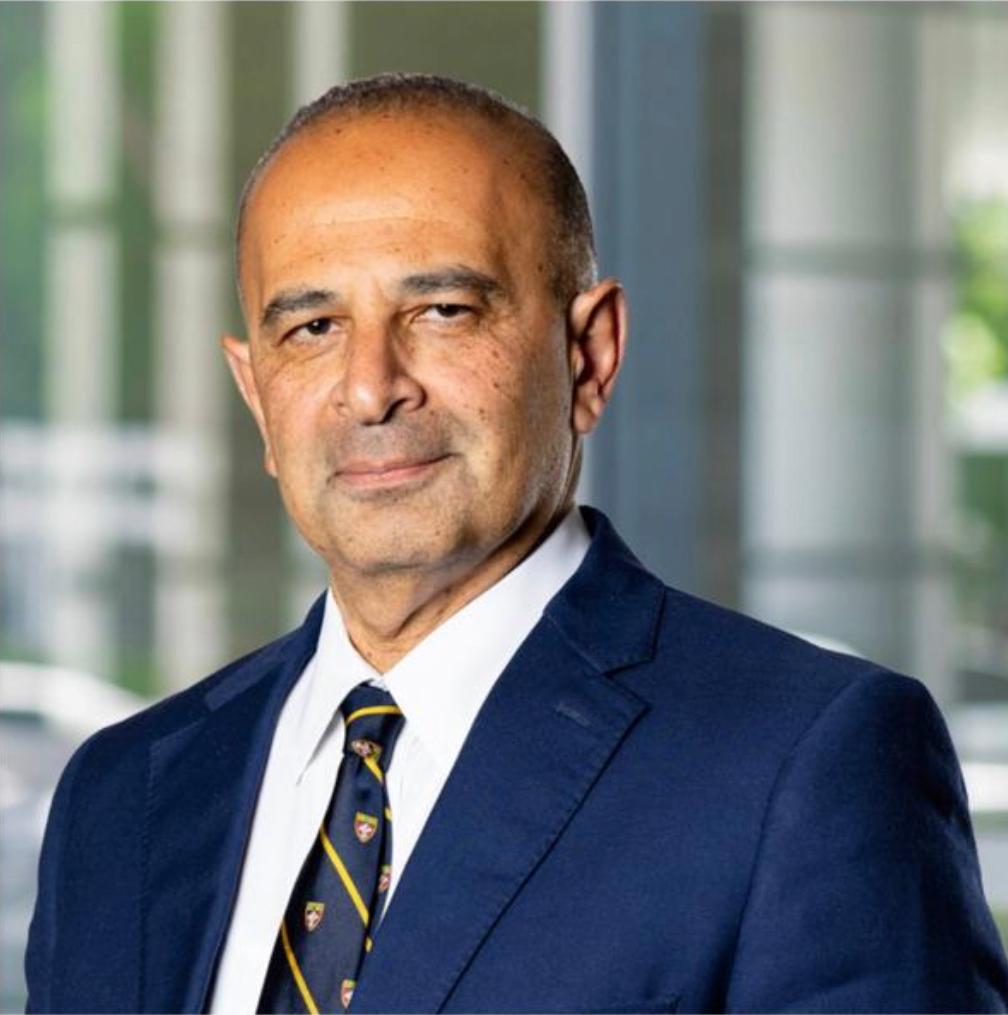
Ahmed Kamaly
- Position: Associate Professor
- Department: Mohamed Shafik Gabr Department of Economics
- Email: kamaly@aucegypt.edu
Ahmed Kamaly graduated from the Department of Economics at The American University in Cairo in 1991. He received a master’s in economics from the same University in 1995 and a PhD in economics from the University of Maryland at College Park in 2002. Kamaly is a tenured faculty member in the Department of Economics at The American University in Cairo, where he has taught and conducted research for over two decades. Professor Kamaly served as the deputy minister of planning and economic development from 2018 to 2024, playing a leading role in national planning, public investment management and the implementation of Egypt Vision 2030. He currently serves as a board member of the Central Bank of Egypt, contributing to monetary policy formulation and financial sector oversight. He has also served on the boards of several Egyptian banks, providing strategic guidance and governance leadership. Kamaly has extensive experience in academia, international affairs and both the private and public sectors.
Kamaly has held various notable positions, including researcher at the International Food Policy Research Institute in Washington, DC; senior economist at Business & Technical Consultants Inc.; research coordinator at the Economic Research Forum in Egypt; advisor to the World Bank in Washington, DC; chair of the Department of Economics at The American University in Cairo; economic advisor to the General Authority for Investment and Free Zones of Egypt; director of the Egyptian National Focal Point in the Egyptian Ministry of Investment; and chief of the Economic Governance and Planning Section at the United Nations Economic and Social Commission for Western Asia.
His research interests include growth theory, international finance, economic development, monetary and fiscal policies and business finance.
- Determinants and dynamics of capital flows
- Monetary policy
- Central bank independence
- Currency and banking crises
- Exchange rate regimes and arrangements
- Sources of economic growth and total factor productivity