AI in the Curriculum
Some courses that offer AI-assisted learning, and improve your AI literacy and capacities for responsible use.

Fundamentals of AI (FYE1001 Critical AI Literacies Module)
A foundational course building the AI literacy every student needs: how the technology works, how to use it, and how to use it responsibly.
- How generative AI works
- Effective prompting
- Ethical issues and biases
- AI use for various professions

Freshman Writing / Freshman Research (RHET 1010 and RHET 1020)
- Analytical, argumentative, and research writing, moving from process through to finished product.
- Academic integrity and responsible use of AI
- AI-enhanced writing
- Maintaining authorship and voice
- Critical evaluation of AI outputs

Scientific Thinking (SCI 1020)
- Examining AI as a tool for scientific research and inquiry, and knowing where its limits lie.
- Limitations of over-reliance on AI tools for scientific inquiry, and the ethical implications
- AI tools for data analysis and visualization

Philosophical Thinking (PHIL 2100)
Core philosophical inquiry, now with a theme on the ethics of artificial intelligence.

Data Analytics and Visualization
- Fundamentals of scientific data visualization
- Universal principles of data visualization that apply across disciplines
- Practical data communication skills applicable to various fields of study

Let's Get Sustainable (ARCH 2501)
- Evolving concerns around sustainability in the built environment and urban contexts.
- Sustainability's interactions with environmental, social, cultural, and economic dimensions
- Collective sustainability actions by individuals

Essentials of Personal Finance (CORE 1099)
- Core financial concepts: budgeting, saving, investing, debt management, and risk assessment.
- Economic forces, supply and demand, and scarcity
- Digital economies and fintech

Artificial Intelligence and the Human Experience (CORE 2099)
- A societal and ethical examination of AI's role in modern life.
- Impact of AI on creativity, privacy, labor, and accessibility
- AI-driven opportunities for addressing real-world societal issues (e.g., misinformation, climate change)

Mastering Writing in an AI World (RHET 3260)
- Using AI tools ethically to enhance the writing process and its outcomes.
- Understanding and employing AI research tools
- Effective AI prompt development; critical assessment and revision of AI outputs

Selling Culture: Branding Identities and Traditions (CORE 2096)
- The packaging, marketing, and selling of culture in global markets: ethics and power dynamics.
- Examining data on historical and contemporary cultural commercialization across industries such as fashion, tourism, entertainment, food, and digital media

Sustainable Economies in the MENA Region (CORE 2097)
- Economic models in the MENA region, and actions to support sustainability.
- Diversification and equitable allocation of resources in the MENA region
- Case studies on economic sustainability amid regional crises
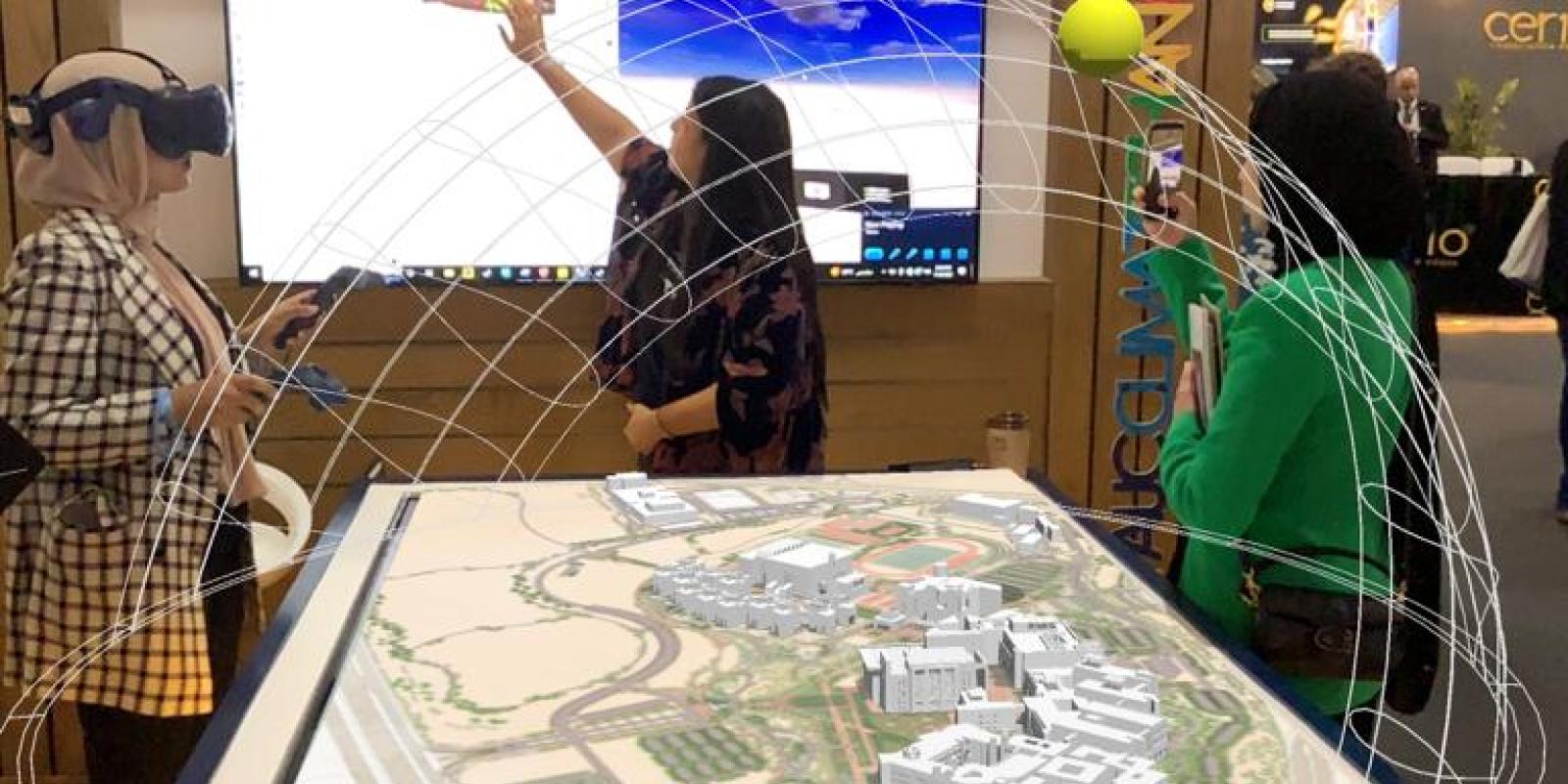
Climate Action in the Middle East (CORE 2097)
- Urban resilience and sustainable development.
- Challenges and strategic responses to climate change in Middle Eastern urban settings
- Climate adaptation and mitigation solutions

Philosophy of Science and Technology (PHIL 3017)
- How science and technology have altered human abilities and experience, and the new responsibilities that this creates for us.
- How science generates knowledge, and how that knowledge becomes technology
- The impact of science and technology on individuals, society, and the environment
- The normative and ethical principles that should guide their use

Health Challenges in the Arab World (CORE 2097)
- The impact of social variables - political instability, economic disparity, gender roles, poverty, cultural beliefs, and community networks - on health patterns in the region.
- Tradition and modernity in shaping beliefs about health
- The future of health planning in the Arab World

Echoes of the City: Uncovering Neighborhood Stories (CORE 2098)
- The social, economic, and cultural dimensions of Egyptian neighborhoods.
- Innovative redevelopment scenarios that preserve existing urban fabric
- Interdisciplinary exploration of urban complexities and ethical city planning

The Nile: Scarcity and Water Management (CORE 2098)
- Reconciling sustainability and development to preserve Egypt's lifeline.
- Regional water governance frameworks and the balance of power
- National strategies for water management, regional collaboration, and equitable resource sharing

E4: Earth, Energy, Environment and Economy (CORE 2098)
- Energy resources and environmental impact in Egypt.
- Solutions to mitigate adverse environmental effects
- Government frameworks for managing climate change and resource impacts on the environment

Hunger and Our Planet: Food Security (CORE 2096)
- The impact of social variables such as population growth, climate change, and cultural traditions on food production and distribution.
- Sustainable urban farming and food production
- Global food systems, policy analysis, and ethical challenges

Urban Sustainability: Thriving in Grey Areas (CORE 2096)
- Creating sustainable futures by examining behaviors, policies, and laws.
- Policy gaps, contradictions, and the knowledge-action divides that create grey areas in implementing sustainability
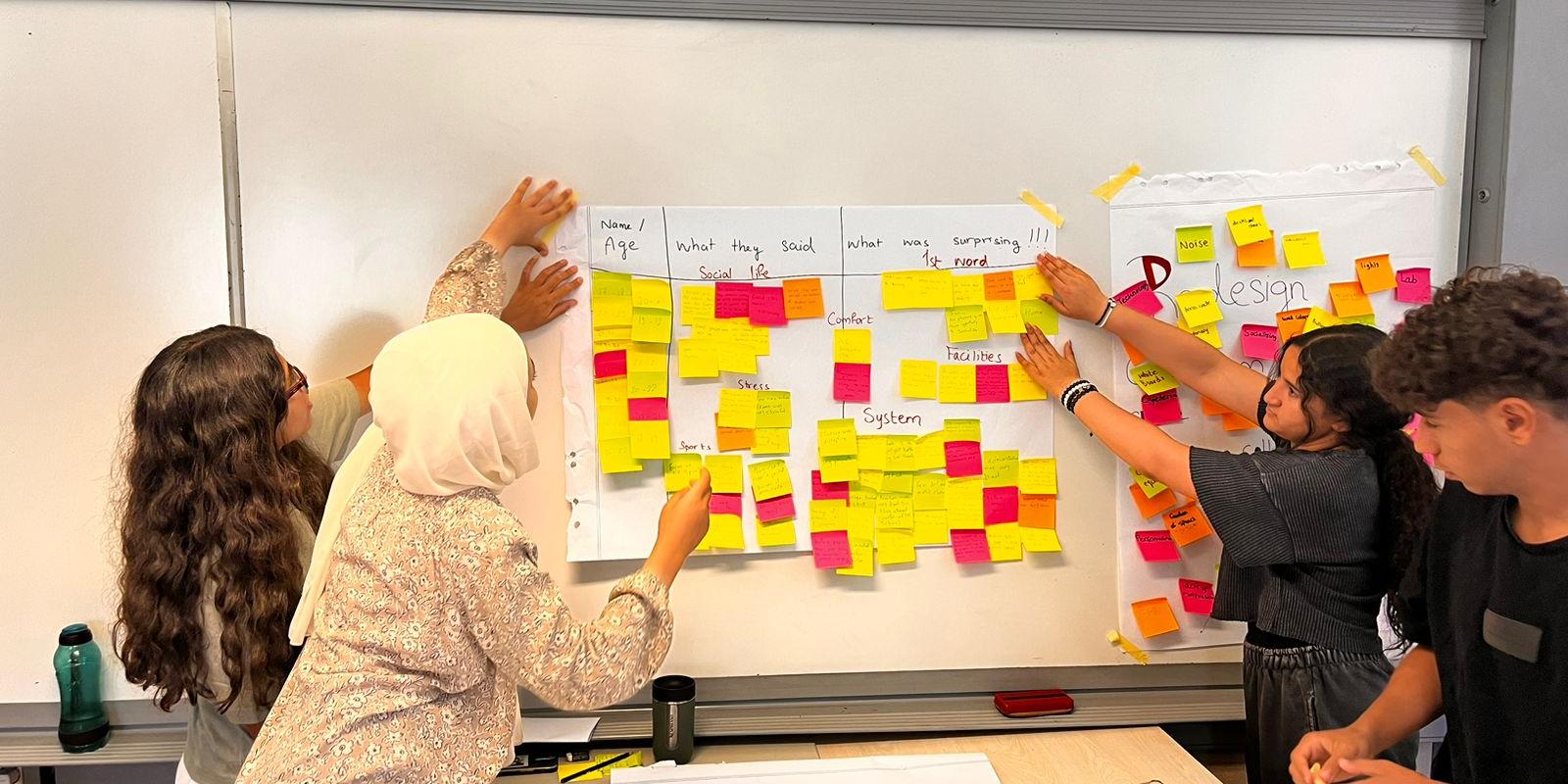
Social Entrepreneurship: Addressing Global Sustainability Challenges (CORE 4098)
- Entrepreneurial approaches to pressing global social, cultural, and environmental problems.
- Examining and evaluating the entrepreneurial ecosystem, and employing it for social change

Introduction to Artificial Intelligence (AI) with Python
The course introduces Artificial Intelligence (AI) and its applications, starting with Python programming basics, including syntax, data types and libraries like pandas and NumPy. It covers essential machine learning concepts, such as supervised and unsupervised learning, feature engineering and data preprocessing.