27
Jun
Island Stories: Hana w Surur in Rawda and Manial
Explore Manial’s entertainment heritage through maps, films and stories as part of Hana w Surur, a six-month community-based workshop program.
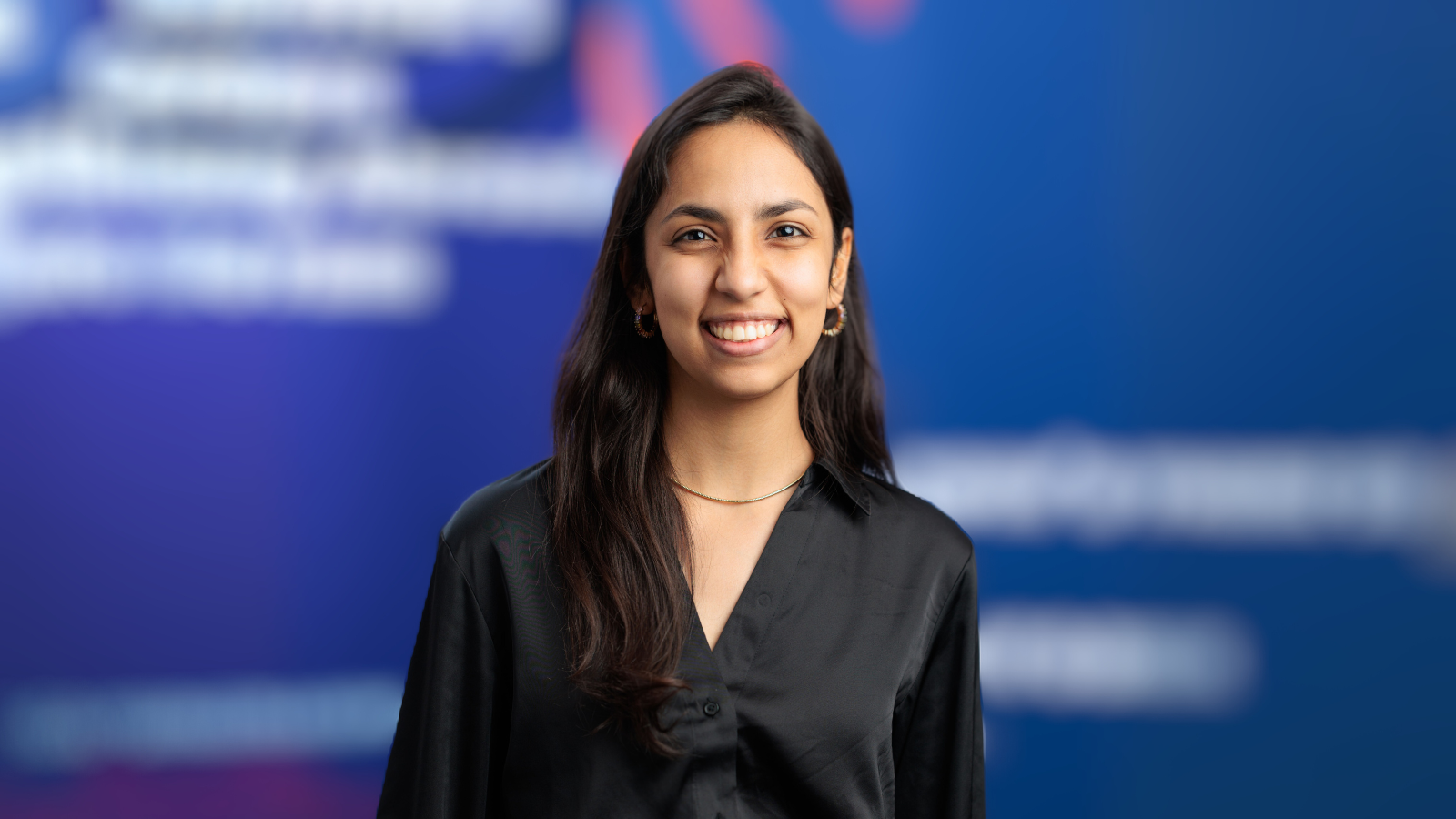
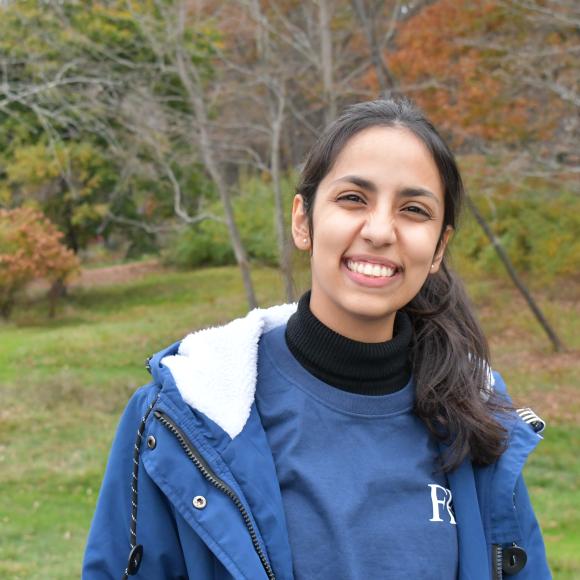
An international student from Yemen, biology senior Husn Turki described her AUC experience as “surreal,” offering unparalleled opportunities in the region. She was excited to be selected as the June 2025 undergraduate commencement speaker.
“It’s a really big deal, not only for my family but also for the whole community that I’m from,” said Turki about graduating from AUC and being the undergraduate class representative for the upcoming commencement.“AUC is where I lived for the past four years, not just where I got my education. I’m really proud and happy to be graduating; it’s such a milestone.”
Turki attended the University on a full ride as a Tomorrow’s Leaders Scholar. While at AUC, she conducted research under Professor Ahmed Moustafa, chair of the Nancy Hopkins Department of Biology, and studied abroad at James Madison University in Virginia. Turki also volunteered with a refugee resettlement NGO based in Denver, Colorado while abroad, translating for refugees.
“That was the main message of my speech: feeling grateful as a graduate of this institution but also acknowledging our potential. We have so much as AUCians; we should choose to direct ourselves toward doing good.”
Coming from Yemen, Turki recalled seeing people around her, including her family and community, struggle. Yet, they provided her with support to be able to travel by herself and have extraordinary experiences. “I feel the need to share my story and be grateful to my family. At the same time, I really want to talk about how this institution gave me so much,” she said. “I learned a lot, both as a Tomorrow’s Leaders Scholar and an AUCian.”
To Turki, being at AUC has been both a privilege and a responsibility; it is an opportunity that allows students to create a positive impact in their communities. “That was the main message of my speech: feeling grateful as a graduate of this institution but also acknowledging our potential. We have so much as AUCians; we should choose to direct ourselves toward doing good.”
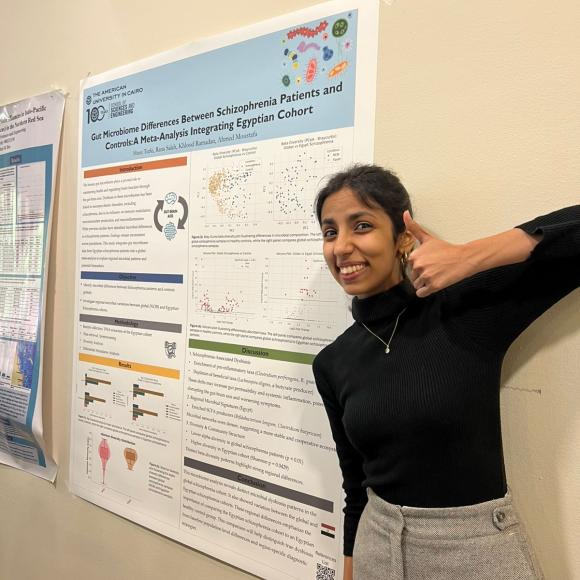
One of the highlights of Turki’s undergraduate experience was her research, which is the first of its kind in Egypt, focused on the neuro-psychiatric microbiome. “We are studying the connection between the gut and the brain by studying the microbiome profile of people who have schizophrenia and bipolar disorder. We’re comparing to see if there is a link between the material that lives inside of us and the brain,” said Turki.
While the research is still underway, Turki speculates that the results could potentially be used to develop a diagnostic signature or even personalized treatment to enrich healthy bacteria and deplete harmful ones.
“[AUC] covered every single aspect, even the flights home, which I did not expect at all. I felt like the institution actually cares about me.”
Turki hopes to publish the research, which her thesis supported, and she will continue to serve on the research team even after graduating. “Being part of the AUC biology department gave me the chance to participate in advanced research, learn from the process and, hopefully, get published eventually.”
Turki’s dream is to become a professional researcher, and she hopes to eventually apply for graduate school to complete a degree in bioinformatics.
Turki shared some of the highlights of her time at AUC, starting with the scholarship program she is part of. “As a Tomorrow’s Leaders Scholar, I felt so lucky because I got to be among such incredible, inspiring members of the community who come from different parts of the region to live this journey together as a cohort,” said Turki.
The scholarship, offered by the U.S. Department of State, provides a full ride to competitive students from select Arab countries and territories to study at AUC or American universities in Lebanon. “I feel connected to my cohort,” said Turki. She is even in touch with the Yemeni Tomorrow’s Leaders Scholars who completed their studies in Lebanon over the past four years.
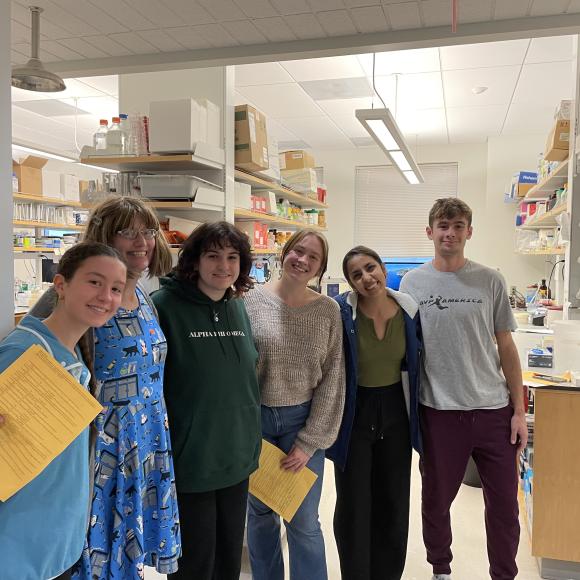
Another component of the scholarship is the ability to study abroad at a university in the United States. At James Madison University, Turki said, “I felt so amazed by the fact that anyone can be part of research as an undergraduate. You don’t have to be a senior or have much experience.”
When asked about her favorite memory at AUC, Turki brought up an emotional and turbulent moment that shook the whole University but left a particularly lasting impact on her.
“When the Tomorrow’s Leaders Scholarship funding was paused by the U.S. government for two months, AUC actually decided to cover us completely,” Turki said. “We didn’t know what was going to happen and AUC stepped in and said, ‘We’re gonna cover you for everything, fully. You don’t have to worry about tuition. You don’t have to worry about anything.’”
Turki described the moment as surreal and full of bliss. “They covered every single aspect, even the flights home, which I did not expect at all. I felt like the institution actually cares about me.” Despite the challenge of the moment, AUC’s reaction — taken with care and prioritization of its students top of mind — is what Turki deems to be her best moment at AUC.

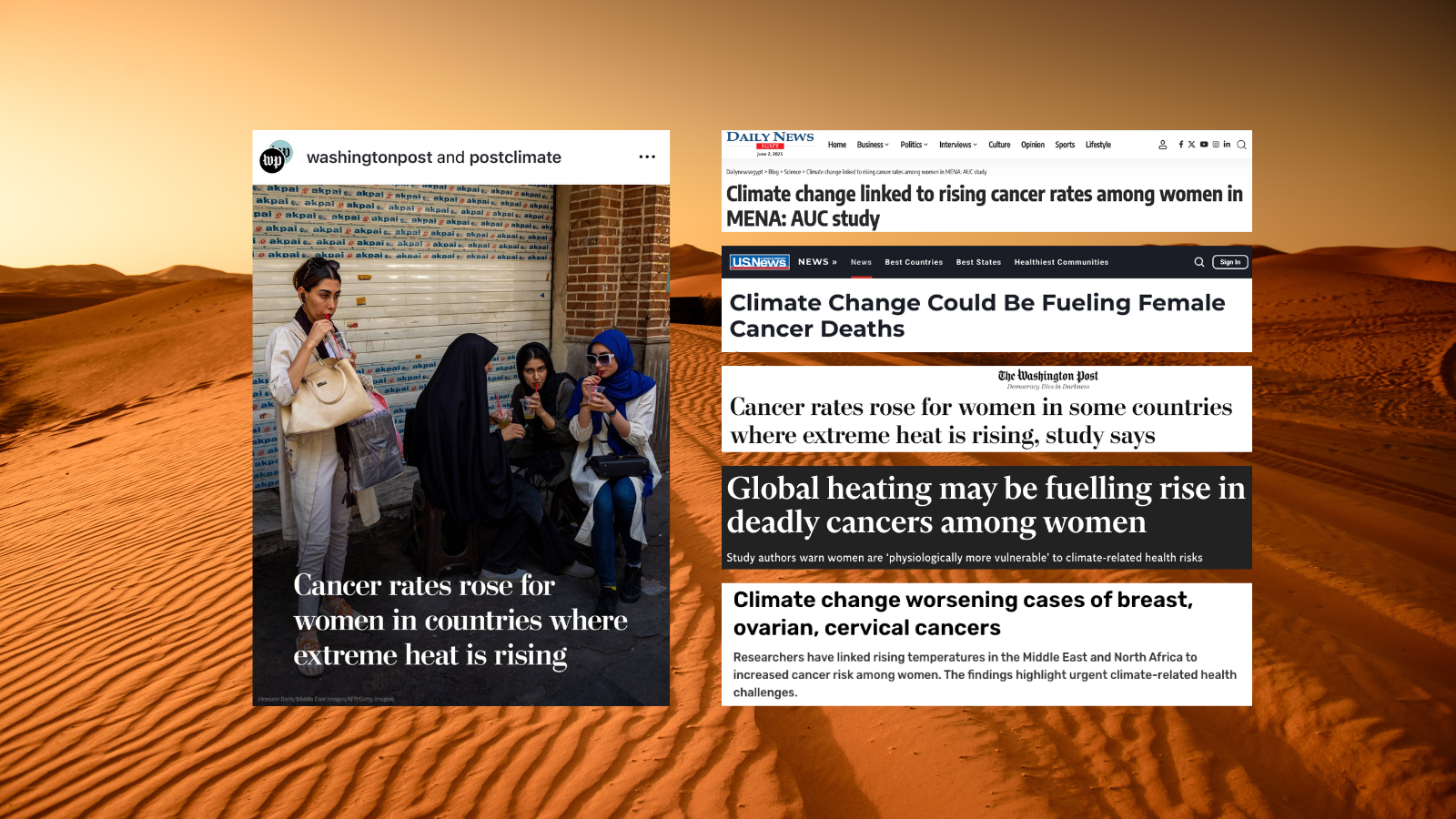
A new study correlating rising temperatures with women’s cancer in the Middle East recently attracted global media attention, seizing headlines in outlets like The Washington Post, Daily Mail, Fortune and more. Behind the research are authors Wafa Abu El Kheir-Mataria (MPA ’18, PhD ’23), a senior research fellow at AUC’s Institute of Global Health and Human Ecology (IGHHE), and Professor Sungsoo Chun, who conducted the observational study at IGHEE.
“This research rang an alarm that we need to be aware of in health policies,” said Mataria. She initially proposed the topic due to her concern over gender disparity in healthcare and the broader vulnerability of the region with climate change.
Her alarm rang loud and clear, with the paper scoring in the top 5% of all research outputs and the top 1% for high attention as compared with papers of the same age, according to Altmetric (a platform that measures and ranks the engagement that research articles receive beyond traditional citation counts).
The study analyzed data from 17 countries over a 20-year period, checking for correlations between temperature increases and mortality rates from four types of female cancers: breast, uterine, ovarian and cervical.
“This research rang an alarm that we need to be aware of in health policies.”
While the overall correlation was the first result, a country-by-country breakdown provided secondary results. “Is this valid for each and every country or not?” Mataria inquired. The correlation was ultimately found to be statistically significant for six countries, with the most striking results in Gulf states. It was also particularly strong for breast and cervical cancers.
Mataria unpacked some likely causes based on the literature: “Heat increases exposure to pollutants and disrupts healthcare systems, delaying diagnosis and treatment. It may also alter cell structure. Women are more vulnerable due to limited access and cultural taboos around breast and cervical cancer,” she said.
Chun added that the best thing countries can do now is abide by multilateral climate-targeted policies, such as the Paris Agreement (an international climate treaty signed in 2016 that seeks to curb global warming). “The Paris Agreement is one of the clearest guidelines on how to stop rising temperatures. Implementing its exact recommendations for each country is essential to stopping climate change,” he said, though he noted that many nations are failing to meet the treaty’s criteria.
“Although we promised only one paper, many journalists are concerned about the severity of the findings. That means that this is a really urgent, in-demand topic to solve globally.”
Beyond women, Chun emphasized that vulnerable populations will suffer disproportionately if global conditions don’t change. “Post-colonial populations, older people, children and, of course, women have unique weaknesses in certain periods, such as during childbirth. So we should make clear programs or policies to support these vulnerable populations, especially through a strengthened healthcare system,” Chun said.
This research is not just relevant to those facing health problems or working in the health sector; it can be used to inform health policy, address gender gaps and understand the impacts of climate change. “This concerns not only people in the health sector, but also in policy, sustainability and other areas. Health is relevant to all fields, and it’s good to work together,” said Mataria.
Mataria views researchers at institutions like AUC as indispensable to the field. “We open people’s eyes on certain topics. Research and evidence draw attention,” she said, “Numbers talk.”
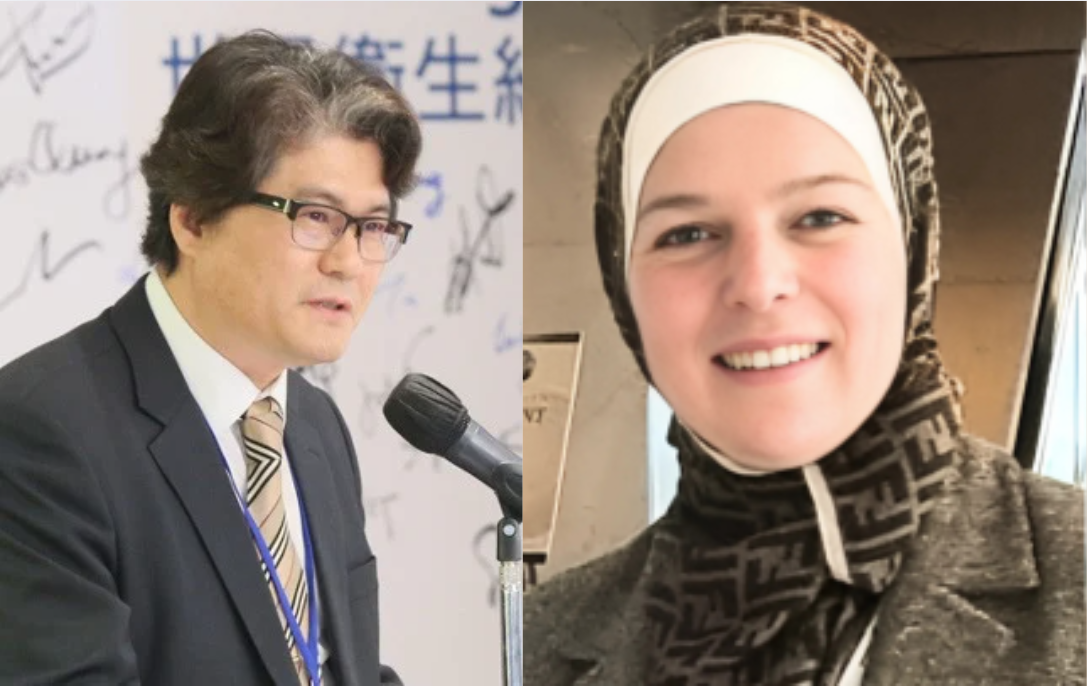
Mataria and Chun are also hoping to receive more grants to continue the novel research. “Although we promised only one paper, many journalists are concerned about the severity of the findings. That means that this is a really urgent, in-demand topic to solve globally,” said Chun.
“There’s not much on it yet,” added Mataria.
Even as the pair’s findings are making waves in the media, they were quick to point out that more research will be needed to understand the results. “This research is preliminary, but it’s a good start,” added Mataria.
“There are so many contributing factors to the instance of cancers. We need to make another experimental design controlling not only for the setting but also for community levels,” said Chun.
The trailblazing article is now paving the way for international research focused on the intersection of climate change and women’s health. Mataria said, “It’s really just one point in a sea of research. There is a lot to do.”