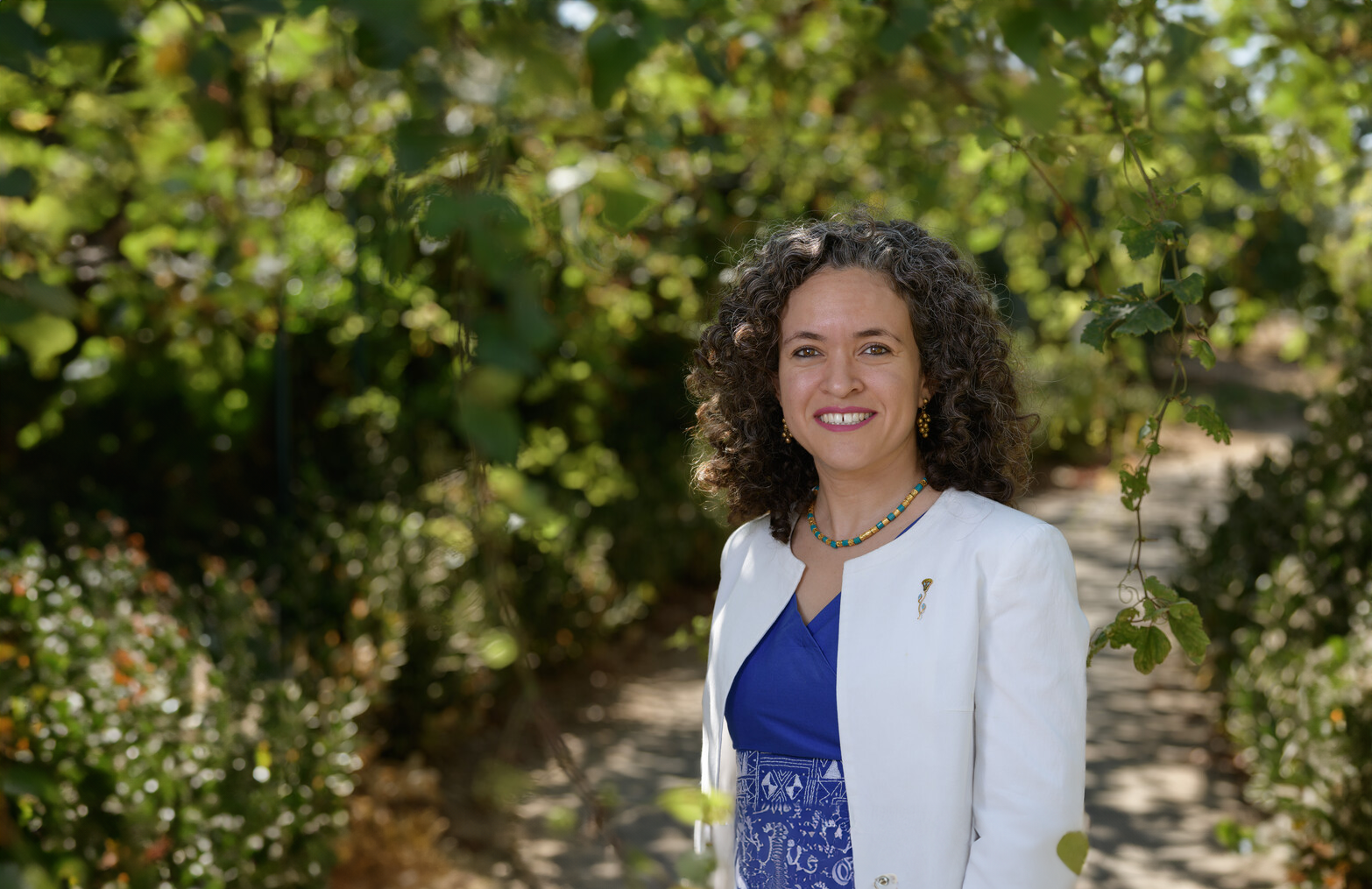
“When you think of ancient Egypt, you think of the tombs and the temples, and sometimes we forget that they were people, just like us. Eating is such a simple, human thing,” El Dorry says.
From Jurassic Park to Coptic Studies
El Dorry discovered her interest in food and food culture in Egypt as a student at AUC, but the idea of archaeology captured her attention as far back as watching Jurassic Park as a little kid. “When I saw the first scene where this helicopter swoops down to an archeological site, I thought, ‘This is exactly what I want to do’. I found my calling very, very young,” she says.
Her passion led her to the study of Egyptology at AUC, where a friend encouraged her to take a Coptic studies course that drew her into the world of Coptic art, architecture and archaeology. “I initially became fascinated with what we traditionally study in Coptology, but I realized there's so much more to Coptic history than just that,” El Dorry says. “I was captivated by studying the lives of regular people living in different time periods in Egypt, how they dealt with one another, how they ate, the simple day-to-day activities.”
The relationship between Egyptology and Coptology is intertwined, and part of what makes El Dorry so passionate about teaching Coptic studies is its oft-overlooked importance in the flow of Egyptian history. “A lot of people consider ancient Egypt to be the focal point, which belittles the wealth of information we have about the rest of Egyptian history,” she says. “We have another 2,000 years of fascinating information, including Coptic history and Coptic archaeology. It's important to look at the history of Egypt as one fabric that changes and develops in continuity.”
“When I tell people that I'm an Egyptologist, Coptologist or archaeologist, people either assume that we’re either off chasing mummies like Indiana Jones, or that we just spend our days doing boring library research."
Bringing Everything to the Table
Working on her PhD dissertation, focused on archaeobotanical material from a now-abandoned Coptic monastery in Wadi El Natrun, El Dorry became more and more interested in food and the various functions it serves both in our lives and Coptic Egyptian history. “Food plays a role in politics, our identities, economy and trade –– and studying it shows us a lot about how our history developed over time,” she says. “I find it particularly important to study and document food because it’s such a central part of who we are.”
“When you think of ancient Egypt, you think of the tombs and the temples, and sometimes we forget that they were people, just like us. Eating is such a simple, human thing,”
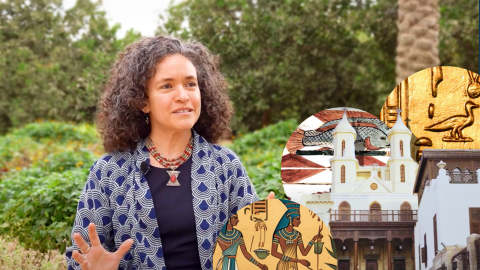
Using her work at the Coptic monastery as an example, El Dorry emphasized how each trace of historical evidence came together to paint a vivid picture of life for the people who resided there. “We learned a lot about their daily lives through different time periods based on archaeological evidence, textual evidence, archaeobotanical material and ethnoarchaeological data,” says El Dorry. “We can even tell that there are regional variations in food preparation between different areas, and understand the specifics of how they prepared foods or the wine that would be used for liturgy.”
The information gleaned from studying the agricultural traces left behind is as personal as it is fascinating and instantly relatable since some of the foods that were prepared by the Copts of that period remain staples even now. “It's nice to get this intimate view of how they were preparing things and see where they got the food and plants from,” she says. “When we bring all the different types of archaeological data together, it’s much easier to imagine how they lived.”
The Joy of Studying Food
“When I tell people that I'm an Egyptologist, Coptologist or archaeologist, people either assume that we’re either off chasing mummies like Indiana Jones, or that we just spend our days doing boring library research,” El Dorry says. But for her, archaeology is somewhere in the middle. “We strike a happy medium between adventure on-site and researching in the fantastic libraries that we have access to.”
Sleuthing out the intricacies of Coptic society takes an immense amount of work, and it certainly isn’t easy. But for El Dorry, the real struggle is just finding the time to do it all. “The biggest challenge is that you never have enough time to read everything you are interested in or do everything that you want to do,” she says. Food has countless meaningful aspects to study, far more than just the facts of what people ate, and you could spend a lifetime looking at its roles, origins and impact. But beyond its academic value in Coptology, part of the joy of working with food is that everyone can connect to it. “Everyone loves to talk about food and loves to eat,” El Dorry says. “I love talking about food, theorizing how people would have eaten in the past, trying recipes. It’s all incredibly exciting.”